

























NASA’s New Supercomputer: A Crucial Leap for Future Spaceflight

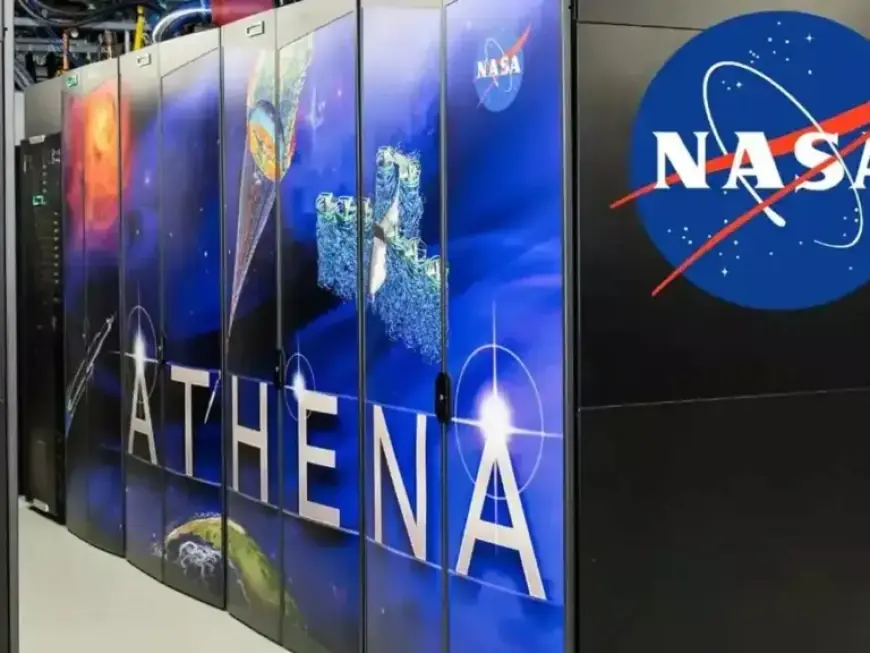
NASA has taken a significant step in enhancing its computational capabilities by transferring control of its advanced supercomputer. This system is now overseen by the Chief Science Data Officer. This strategic decision aims to centralize data processing within the agency.
Navigating the Future of Spaceflight
This shift is crucial for managing scientific information effectively. By centralizing these resources, NASA ensures that data will be managed dynamically, preparing for future deep-space explorations.
Key Details of NASA’s Supercomputer Transfer
- Control Transfer: The supercomputer is now under the Chief Science Data Officer.
- Purpose: To streamline and future-proof data management.
- Focus: Supporting upcoming deep-space missions.
With this centralization, NASA aims to enhance its readiness for complex missions. The agency’s commitment to advanced computing reflects its dedication to scientific discovery and technological advancement.
Impact on Scientific Research
The advanced supercomputer will play a pivotal role in processing vast amounts of data from future missions. This move positions NASA at the forefront of space exploration, ensuring robust support for analyzing and interpreting scientific information.
As NASA continues to pursue ambitious missions beyond Earth, efficient data management through its new supercomputer will be essential for success. This initiative marks a crucial leap towards the future of spaceflight.