

























Ohio Hit by Two Tornadoes: Discover Their Impact Locations

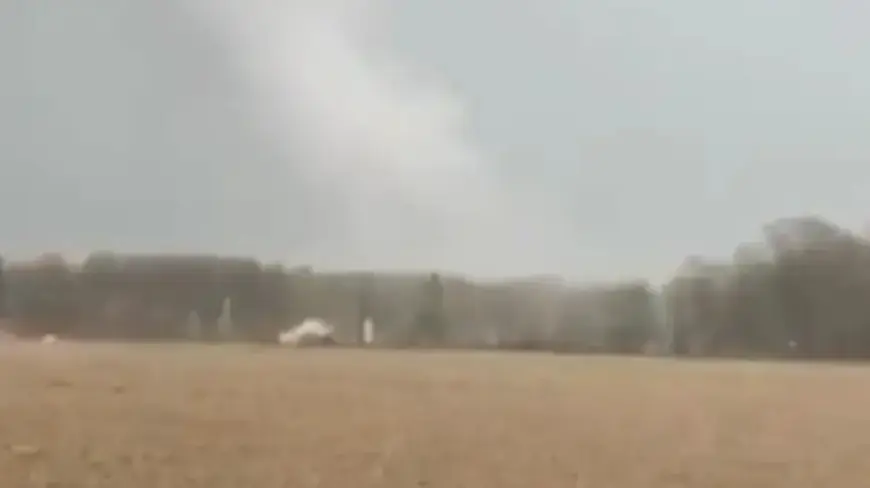
On March 31, 2026, the National Weather Service confirmed two tornadoes struck Ohio during late evening storms. Both twisters caused property and tree damage, but no injuries or deaths occurred.
Defiance County touchdown
The first tornado touched down near Hicksville in Defiance County at 7:09 p.m. It stayed on the ground for about two minutes.
The path measured 2.71 miles long and 25 yards wide. The NWS rated it EF1 with peak winds of 95 mph.
Surveyors noted it was embedded within a large swath of damaging straight-line winds. Damage included minor tree loss, a destroyed pole barn, and a roof ripped from a house.
Wayne County touchdown
The second tornado occurred near Apple Creek in Wayne County at 9:56 p.m. It remained on the ground for 0.11 miles.
The damage path was about 75 yards wide. The NWS rated it EF0 with peak winds of 85 mph.
It touched down just west of Honeytown Road, crossed three residential properties, and lifted east of that road. Reported damage included snapped or uprooted trees, roof harm, and a collapsed chimney.
How tornadoes are confirmed
National Weather Service crews inspect suspected tornado sites in person. They assess damage patterns rather than damage amount.
Tornado damage typically shows chaotic signs. Larger uprooted trees often cross each other, indicating rotating winds.
Microbursts versus tornadoes
A microburst is a descending column of air within a thunderstorm. It can produce winds up to 100 mph or higher.
Damage from a microburst usually appears flattened. Trees tend to point the same way or fan out from a center point.
The Enhanced Fujita Scale
- EF0: 65 to 85 mph.
- EF1: 86 to 110 mph.
- EF2: 111 to 135 mph.
- EF3: 136 to 165 mph.
- EF4: 166 to 200 mph.
- EF5: greater than 200 mph.
Officials from the NWS offices in Northern Indiana and Cleveland led the damage surveys. Filmogaz.com will monitor further updates as investigators release more details.
Residents in Ohio should review storm preparedness plans. Knowing recent impact locations and the nature of two tornadoes can aid future safety decisions.