























Paul George suspended 25 games, raising questions about NBA drug rules

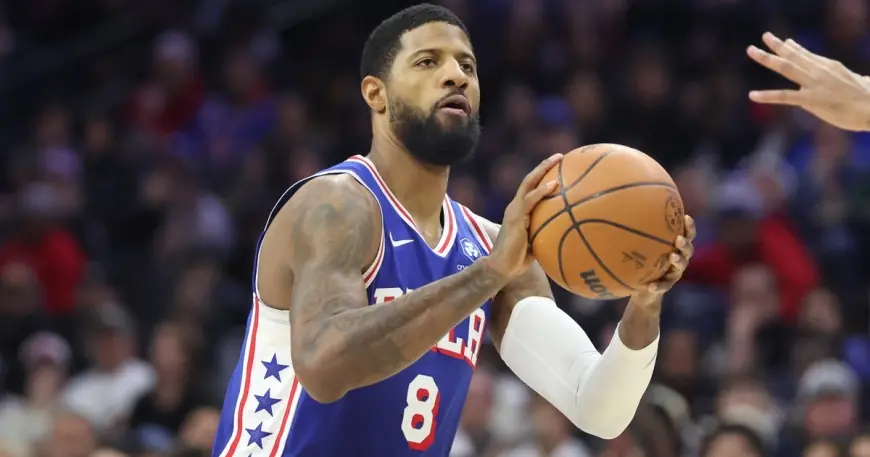
Philadelphia 76ers forward Paul George was suspended 25 games without pay on Saturday, Jan. 31, 2026 (ET) for violating the NBA/NBPA Anti-Drug Program, a league discipline that immediately sparked a wave of searches asking: “paul george suspended,” “paul george suspension,” “why is paul george suspended,” and especially “what drug did paul george take?”
The key detail driving the confusion is also the simplest: the league did not publicly identify the substance or medication involved, and George described it only as an “improper medication” taken while seeking mental health treatment.
What happened and what the NBA said
The league announcement stated that George violated the terms of the NBA/NBPA Anti-Drug Program and issued a 25-game suspension. The ban begins with Saturday night’s game against the New Orleans Pelicans and makes him eligible to return March 25 (ET) against the Chicago Bulls.
In practical terms, it removes a major starter from Philadelphia’s rotation for most of the stretch run and puts the organization in a tighter roster-planning spot with the trade deadline days away.
Why was Paul George suspended?
If you’re searching “why did paul george get suspended” or “what did paul george do,” the confirmed answer is narrow:
-
He was suspended for a violation of the NBA/NBPA Anti-Drug Program.
-
The NBA did not disclose the substance.
-
George said he made a mistake by taking an “improper medication” while pursuing mental health treatment and accepted responsibility.
That’s all that’s publicly confirmed right now. Anything naming a specific “paul george drug” or claiming details about “paul george drugs” goes beyond what has been officially released.
What drug did Paul George take?
This is the question fans want answered most (“what drug was paul george taking,” “what did paul george take”), but it currently has the same honest response:
The drug/medication has not been publicly identified by the NBA, the team, or George.
Because the Anti-Drug Program covers multiple categories (including performance-enhancing drugs, masking agents/diuretics, and “drugs of abuse”), a 25-game penalty does not, by itself, prove which category applied in this case. Without the league or player naming the substance, it’s not possible to responsibly pin it to a specific drug.
What the NBA anti drug policy generally covers
The NBA/NBPA Anti-Drug Program is a jointly administered system that sets:
-
A prohibited substances list (multiple categories, not one single “drug list”)
-
Testing and collection rules
-
Discipline tiers that can escalate for repeat violations
-
Medical-use processes (players can be prescribed medications, but compliance requires following program procedures and approvals—mistakes and paperwork gaps can still trigger violations)
A notable feature of the NBA’s approach is that public disclosure is limited in many cases, which is why high-profile suspensions can leave the public with the “what drug?” question unanswered.
Timeline and immediate impact on the 76ers
Here’s the cleanest way to track the situation (all ET):
| Item | Detail |
|---|---|
| Suspension announced | Sat., Jan. 31, 2026 |
| Length | 25 games (without pay) |
| First game missed | Sat., Jan. 31 vs Pelicans |
| Eligible return date | Wed., Mar. 25 vs Bulls |
| What the league revealed | Violation of Anti-Drug Program; no substance named |
On-court, Philadelphia now has to replace minutes, shot creation, and wing defense while continuing to manage health and availability around stars like Joel Embiid and Tyrese Maxey. The timing also matters because the team is juggling competitiveness and roster optionality as the trade window approaches.
Financially, a 25-game unpaid suspension is significant: estimates put the lost salary at about $11.7 million, and the forfeited money can affect team tax math (though those calculations depend on the rest of the roster and transaction timing).
What happens next
If you’re watching for “paul george news,” the next concrete updates will likely fall into only a few buckets:
-
Team comments on how the rotation changes and who absorbs the minutes.
-
League clarification only if the NBA chooses to add detail (not guaranteed).
-
Player statement follow-ups if George expands on what he meant by “improper medication.”
-
Return-to-play ramp as the March 25 eligibility date approaches.
Until a substance is publicly confirmed, the most accurate way to talk about it is exactly what’s known: a 25-game Anti-Drug Program violation tied, in George’s words, to taking an improper medication during mental health treatment—with the specific drug undisclosed.
Sources consulted: NBA, Associated Press, Reuters, The Washington Post, NBA/NBPA Anti-Drug Program materials