























Guterres Alerts UN of Looming Financial Collapse

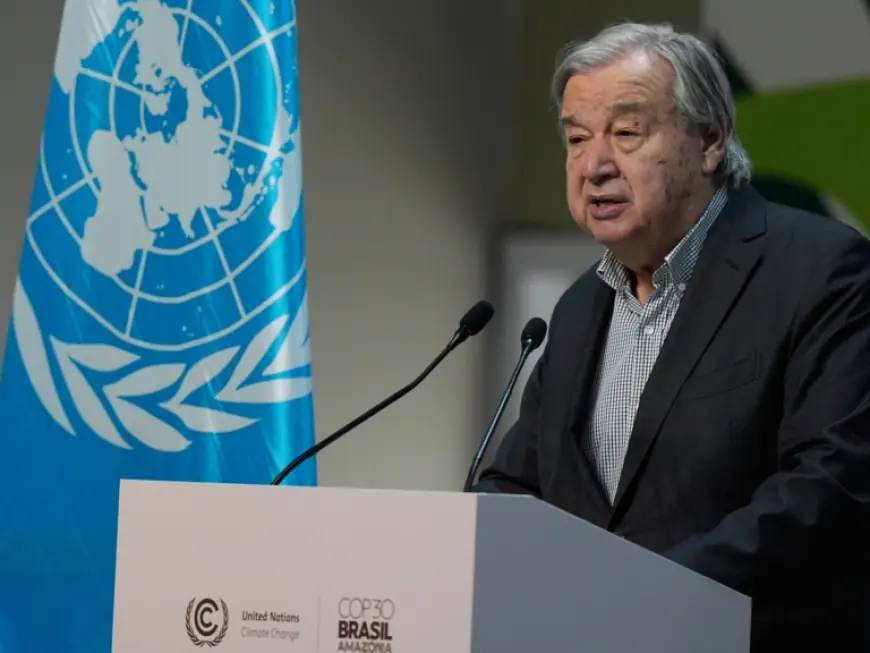
United Nations Secretary-General Antonio Guterres has raised alarms about an impending financial collapse of the organization, urging member states to address outstanding dues and reform financial regulations. In a recent letter, Guterres warned that the UN is facing “imminent financial collapse” due to significant unpaid dues and outdated financial practices.
Urgent Call for Action from Member States
Guterres emphasized to member states the urgent need to overhaul the UN’s financial regulations or risk facing profound financial instability. He pointed out that the global organization is at a critical juncture, where the prospect of financial failure is becoming a tangible threat.
During a news briefing, UN spokesperson Farhan Haq reiterated the urgency of the matter, stating, “It’s now or never” regarding payment obligations. The UN currently lacks sufficient cash reserves and liquidity to maintain operations at previous levels, a fact Guterres has increasingly highlighted over the past years.
Fiscal Challenges and Outstanding Dues
The situation is exacerbated by a staggering $1.57 billion in unpaid dues as of the end of 2025. While Guterres avoided pinpointing any specific nation for these financial troubles, the timing coincides with U.S. policies under President Donald Trump, which include significant cuts to funding for multilateral initiatives.
- The U.S. is responsible for 22% of the UN’s core budget.
- China follows with a contribution of 20%.
Guterres emphasized the importance of all member states fulfilling their financial obligations. He stated, “Either all Member States honor their obligations to pay in full and on time, or we must fundamentally overhaul our financial rules to prevent imminent financial collapse.”
Impacts of Current Financial Practices
The UN’s financial system faces criticism for an outdated rule that requires the organization to return unspent dues to member states annually. Guterres described this as a “Kafkaesque cycle,” as funds are returned even when the UN struggles with cash availability. The problem highlights a pressing need for reform.
As of now, only 36 out of 193 member states have fully completed their contributions for the 2026 budget. The UN has approved a budget of $3.45 billion for that year, which reflects a 7% reduction from the previous allocation in an attempt to manage its financial challenges.
Looking Ahead
Guterres has warned that without immediate changes, the organization could find itself unable to operate by July. The ongoing financial crisis presents a formidable challenge for the UN, which plays a crucial role in maintaining international human rights and humanitarian laws globally.
In conclusion, urgent action is required from member states to avert a financial disaster and ensure the UN can continue its vital functions worldwide.