






















Feds Arrest Witness at Alex Pretti’s Crime Scene After Prior Shooting

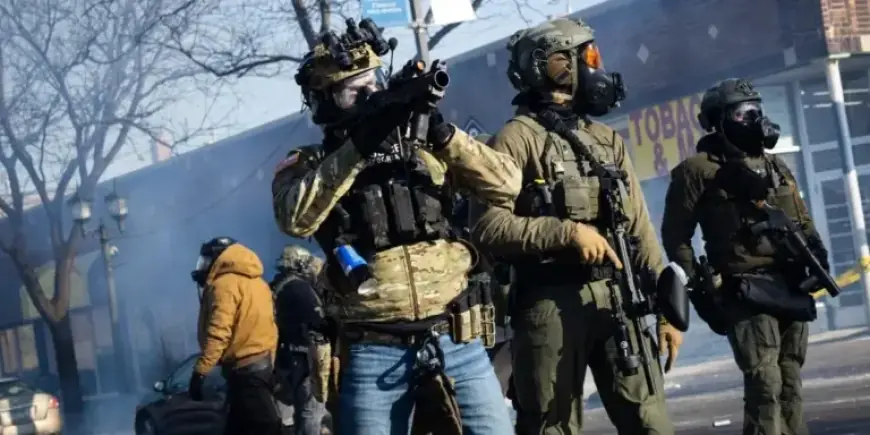
In a troubling incident in Minneapolis, federal agents apprehended Clayton Kelly just moments after the police shooting of nurse Alex Pretti. The episode raises serious concerns about law enforcement’s treatment of witnesses and the use of force during immigration enforcement operations.
Background of the Incident
On a winter day in south Minneapolis, a crowd gathered after 37-year-old Alex Pretti was shot and killed by federal immigration agents. Approximately 40 minutes later, Clayton Kelly and his wife Alana Ericson arrived at Nicollet Avenue. They came to observe the scene and express solidarity with protesters.
Witness Arrested
According to Kelly, chaos ensued when a federal agent singled him out. He recalled, “All of a sudden… a federal agent started running toward me, pointing and yelling, ‘That’s him. Get him.’” This event unfolded soon after Kelly had witnessed another shooting involving immigration agents in a neighborhood just days prior.
Claims of Excessive Force
Kelly was reportedly thrown to the ground, face-first, and pinned down by multiple agents, who used force excessive to the situation. His account indicates that an agent pressed a knee into his back and sprayed pepper spray directly into his eye. “I was screaming that I couldn’t breathe,” Kelly recounted, detailing the distress he experienced during the encounter.
Legal and Social Implications
This incident is not isolated. It follows a pattern of aggressive federal enforcement actions in Minneapolis, prompting legal scrutiny. In response, the American Civil Liberties Union of Minnesota, along with local residents, has filed a federal class-action lawsuit. This lawsuit alleges a systematic approach by federal agents to intimidate and deter civilians from recording or protesting their actions.
Judicial Response
In January, a federal judge issued an injunction barring federal agents from retaliating against peaceful observers and protesters. However, the nature of Kelly’s arrest raises serious questions about accountability and civil liberties.
Detention Experiences
- Kelly was held for approximately eight hours without being informed of charges.
- Several detainees reportedly showed visible injuries, yet no medical assistance was provided.
- Kelly’s personal belongings, including his phone, were confiscated without proper inventory documentation.
Aftermath and Ongoing Concerns
Following his release, Kelly experienced physical and emotional distress. He sought medical treatment for assault-related injuries and noted an increased presence of federal vehicles near his home. This lingering fear of retaliation underscores the chilling effects of the incident.
The troubling nature of these events raises critical discussions about the actions of federal agents during immigration enforcement operations and their implications for free speech and the right to protest. As investigations continue, the experiences of witnesses like Clayton Kelly highlight the urgent need for accountability within law enforcement agencies.