

























Chicago Bank Declares First Financial Collapse of 2026

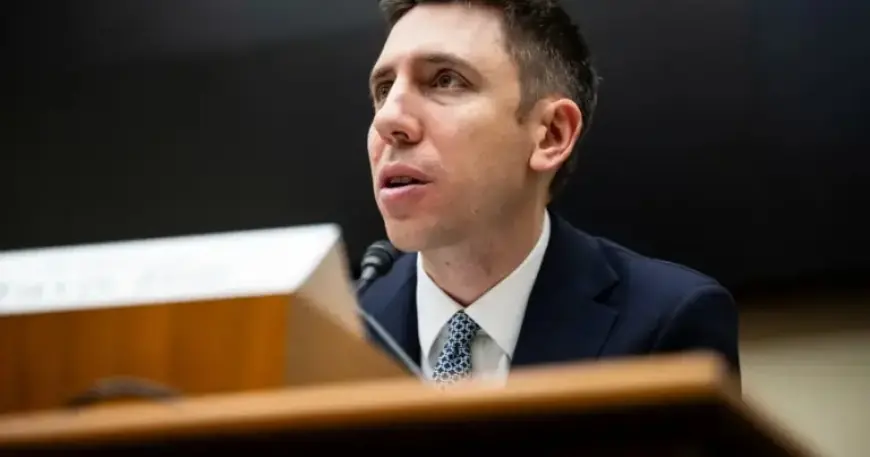
The Federal Deposit Insurance Corporation (FDIC) has announced the closure of Metropolitan Capital Bank & Trust, marking the first financial collapse of 2026. The Chicago-based bank, which reported assets totaling $261.1 million, was shut down on Friday by the Illinois Department of Financial and Professional Regulation, subsequently entering FDIC receivership.
Details of the Bank Closure
Following its closure, a purchase-and-assumption agreement was reached with First Independence Bank, based in Detroit. This deal allows First Independence to acquire approximately $251 million of Metropolitan’s assets, including $212.1 million in deposits.
Depositors from Metropolitan will automatically transition to First Independence, granting them continued access to their funds through checks, ATMs, and debit cards.
Financial Implications
- Estimated Cost to FDIC: $19.7 million.
- Metropolitan’s Financial Overview:
- Total Assets: $261 million
- Total Liabilities: $257 million
- Net Equity Capital Ratio: 1.62%
- Liabilities against Federal Home Loan Bank advances: $43 million
The costs associated with bank failures can vary, and the precise impact on the FDIC’s Deposit Insurance Fund will be clearer once remaining assets are sold.
Management and Industry Context
Frank Novel, a seasoned banking executive, served as President and CEO of Metropolitan Capital Bank & Trust. Novel’s background includes leadership roles at three other banks, along with six years as an FDIC bank examiner.
This failure occurs after a relatively low number of bank resolutions last year, during which only two banks fell, significantly smaller in scope compared to Metropolitan. For context, Pulaski Savings Bank, which had $49.5 million in assets, failed in January 2025, and Santa Anna National Bank of Texas, with $63.8 million, failed later that year. Pulaski’s closure cost the FDIC $28.5 million, making it the most costly failure since 2019.
Regulatory Responses and Future Outlook
Chair Travis Hill of the FDIC emphasized the importance of quick resolutions in managing bank failures. According to Hill, prompt action minimizes asset depreciation and helps restore confidence in the banking system. He has advocated for higher-level government involvement to facilitate smoother negotiations with potential buyers in such circumstances.
The swift action to resolve Metropolitan Capital Bank & Trust reflects the FDIC’s ongoing commitment to mitigate disruption in the financial sector. Filmogaz.com will continue to monitor developments related to this financial collapse and its implications for the banking industry.