

























Bridgerton season 4 opens with Benedict’s romance as Part 1 arrives

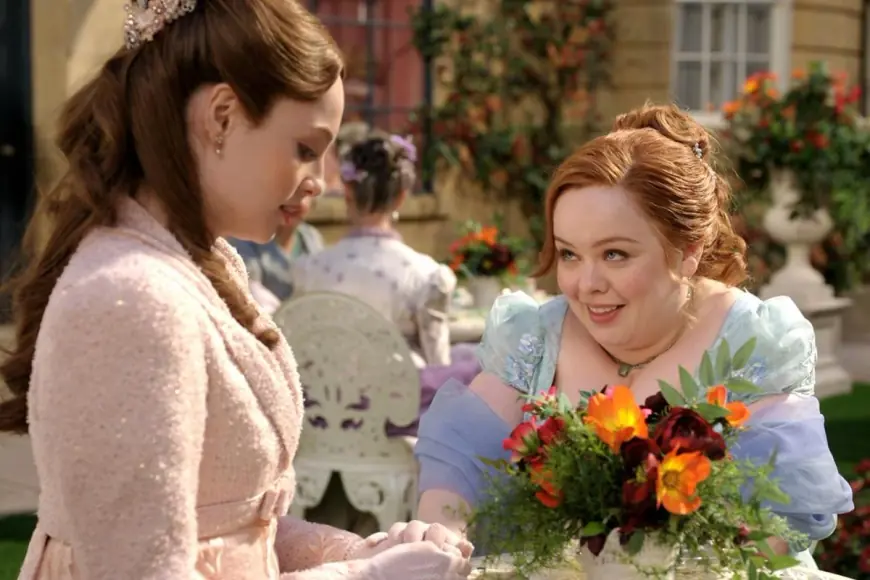
Bridgerton season 4 is now underway, with Part 1 (Episodes 1–4) streaming on Netflix as of Thursday, Jan. 29, 2026 (ET). The new season shifts the show’s center of gravity to Benedict Bridgerton, using a masquerade-ball encounter to launch a romance built on secrecy, class tension, and a mystery identity that the audience knows long before Benedict does.
The two-part drop also sets an immediate clock for viewers: Part 2 is scheduled to arrive on Thursday, Feb. 26, 2026 (ET), with four more episodes to complete the eight-episode season.
Why Bridgerton season 4 starts with a mask
The season’s opening move is a fairy-tale setup with a practical purpose: a masquerade ball gives the show a clean, visual way to introduce its new central relationship and put Benedict in pursuit-mode. In Episode 1, he becomes fixated on the “Lady in Silver,” later revealed to be Sophie Baek, a young woman moving through the ton under a veil of anonymity.
That first meeting is more than a romantic spark. It establishes the season’s core tension—Benedict’s freedom and privilege colliding with Sophie’s precarious position—and it tees up a storyline that’s designed to play differently depending on who holds the information. Viewers understand the stakes around Sophie almost immediately; Benedict doesn’t, and that gap drives much of Part 1’s push-and-pull.
Benedict takes center stage at last
Benedict has spent prior seasons as the charming observer: talented, restless, and often on the edges of the main romantic engine. Season 4 finally forces him into the same pressure cooker his siblings have faced—love as a public negotiation, not just a private feeling.
Part 1 leans into that shift by making Benedict’s choices feel consequential rather than decorative. He isn’t just falling in love; he’s bumping into the limits of how the ton works, and how quickly those limits become personal when desire doesn’t align with status. The midseason stop point underlines that he still has growing to do, especially when he tries to define the relationship on terms that don’t fully account for what Sophie risks by being seen, claimed, or even associated with him.
Sophie Baek and what her arrival changes
Sophie Baek, played by Yerin Ha, is introduced as both romantic lead and narrative disruptor—someone whose life doesn’t fit neatly into Mayfair’s rules. The season places her in the kind of position Bridgerton stories typically orbit around but rarely inhabit: a woman whose safety and future are tied to other people’s whims, not just her own matchmaking prospects.
Her name and characterization are also part of the season’s broader update to the franchise’s version of Regency England—maintaining the show’s heightened, inclusive world while grounding Sophie’s personal journey in questions of belonging and identity. The effect is that the romance lands as more than “will they/won’t they.” It’s also “what would it cost her if they do?”
What the Part 1 ending sets up
Part 1 ends by tightening the screws on the central conflict: attraction is no longer theoretical, and secrecy is no longer clean. The turning point is framed as a romantic declaration on the surface, but it lands with complicated social implications that the show clearly intends to interrogate in the back half.
Key takeaways from Part 1 (no spoilers beyond the setup):
-
The season is structured around dramatic irony: viewers track Sophie’s reality while Benedict chases a fantasy version of her.
-
The masquerade isn’t a one-off set piece; it’s the season’s organizing symbol for desire colliding with the ton’s hierarchy.
-
The midseason break is positioned to force a real choice—one that can’t be resolved by charm or chemistry alone.
The release plan and what to watch next
Netflix’s split release gives Bridgerton a built-in second premiere moment: social chatter now, then another surge when Part 2 drops on Feb. 26, 2026 (ET). The timing also signals confidence that the second half will reframe the first—either by deepening Sophie’s point of view, challenging Benedict’s assumptions, or both.
The next four episodes are expected to do the heavy lifting that Part 1 deliberately postpones: clarifying what Sophie can safely want, what Benedict is willing to change, and how the ton reacts when a romance refuses to stay in its designated lane. For viewers, the practical watchpoint is simple: the season has set its terms, and Part 2 has to pay them off without flattening Sophie’s stakes into a conventional rescue fantasy.
Sources consulted: Netflix Tudum, Variety, People, ELLE, Town & Country