





















Nationwide Protests Erupt in Minneapolis Over ICE, Trump Sends Mixed Messages

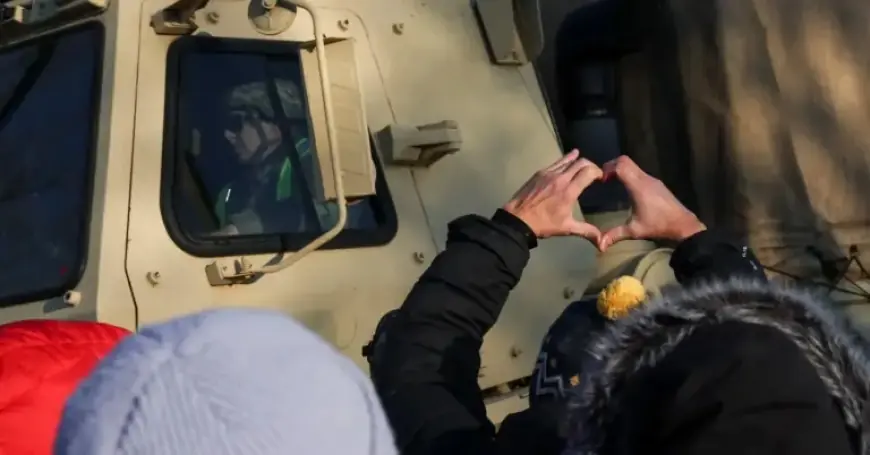
Massive protests erupted in Minneapolis on January 30, 2026, in response to the recent fatalities of U.S. citizens Renee Nicole Good and Alex Pretti during operations conducted by federal immigration agents. These tragic incidents ignited significant public outrage and calls for action across the country.
Nationwide Protests Over ICE Actions
Student organizers initiated a national day of protest, urging walkouts in schools across the United States. The demonstrations were primarily aimed at demanding the withdrawal of Immigration and Customs Enforcement (ICE) agents from Minnesota.
Items and Participation
- Protests spanned from Arizona to Georgia.
- Approximately 50 school staff members marched in Minneapolis with anti-ICE signs.
- The protest slogan emphasized noncompliance with ICE activities: “No work. No school. No shopping. Stop funding ICE.”
In Georgia, students from 90 high schools participated, making their voices heard. Claudia Andrade, an immigrant rights organizer, stated, “We are saying no business as usual while ICE is allowed to terrorize our communities.” Similar displays of solidarity were witnessed in Aurora, Colorado, and Tucson, Arizona, where schools closed in anticipation of high absence rates.
Immigration Policy and Government Response
The protests unfolded amid a backdrop of uncertainty regarding the Trump administration’s immigration policies. Recent statements from Trump suggested a mixed approach, with plans to de-escalate operations while still affirming support for increased federal presence.
Congressional Stakes
The backlash against current immigration policies threatened a partial government shutdown, as Democrats in Congress resisted funding for the Department of Homeland Security. A tentative agreement between Senate Democrats and President Trump aimed to pass broader spending packages while negotiations continued regarding immigration enforcement.
Public Sentiment Shifts
Public opinion regarding Trump’s immigration policies has eroded to its lowest point during his second term, largely due to negative perceptions following the violent incidents involving immigration agents. During this tumultuous time, Trump’s administration dispatched border czar Tom Homan to address concerns stemming from the protests.
Despite Trump’s remarks about targeting operations, mixed messages left many protesters demanding further action to protect their communities. The events of January 30 illustrated the deep divisions regarding immigration policy and the intense feelings it ignited across the nation.
Conclusion
The protests in Minneapolis and nationwide reflect a significant moment in the ongoing conversation about immigration enforcement in the U.S. As communities grapple with feelings of fear and solidarity, the outcome of these demonstrations may shape the future of federal immigration policies and the communities they affect.