























Cheerios recalled in Gold Star Distribution sweep tied to rodent and bird contamination

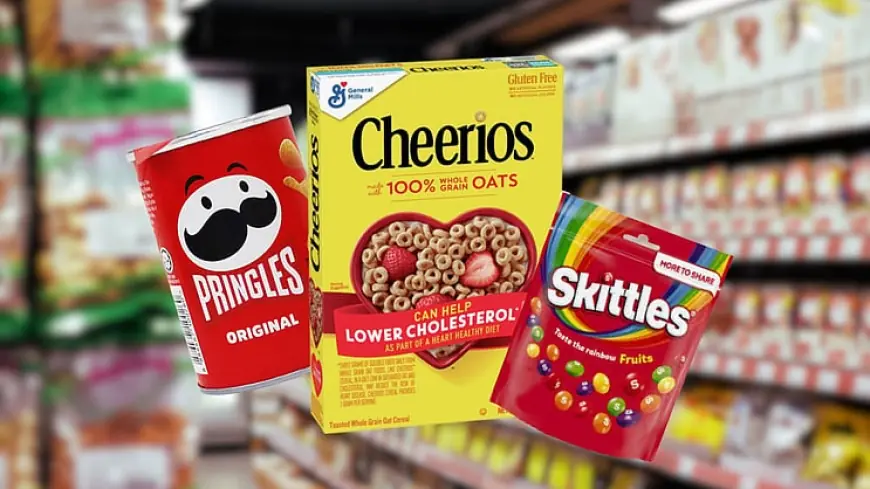
“Cheerios recalled” is trending again after a sprawling Midwest recall expanded into public view in late January, pulling in household-name cereals, snacks, drinks, over-the-counter medicines, cosmetics, pet foods and even some medical devices. The trigger is not a manufacturing problem at General Mills. The recall traces back to a Minneapolis-area distribution facility where federal inspectors documented rodent and bird contamination in storage areas.
The company at the center of the action, Gold Star Distribution, Inc., issued a broad recall notice on Dec. 26, 2025 (ET) covering FDA-regulated products held at its facility and shipped to stores in Minnesota, Indiana, and North Dakota. The Food and Drug Administration later classified related entries as Class II in late January—meaning the products may cause temporary or medically reversible health consequences, with the probability of serious harm considered remote.
What happened at the warehouse
The recall stems from findings of insanitary storage conditions, including rodent excreta, rodent urine, and bird droppings in areas where products were held. Health officials warn that exposure to contaminated surfaces—or airborne particulates associated with animal waste—can raise the risk of harmful microorganisms being present on products or packaging.
The concern is broad because the facility stored many different categories of goods. In addition to foods and beverages, the recall umbrella includes items meant for close contact with the body (cosmetics, some medical devices) and products meant for infants, children, and pets.
Gold Star’s recall notice states no illnesses had been reported at the time of the announcement, and public reporting since then has not identified confirmed illnesses tied to the recalled inventory.
Cheerios recalled: what’s actually affected
The key detail for shoppers: this is not a blanket, nationwide Cheerios recall. It covers specific products that were held at Gold Star’s facility and distributed to certain retailers in the three-state footprint. That’s why many consumers outside Minnesota, Indiana, and North Dakota may never encounter an affected box.
In practice, the “Cheerios recalled” headline means:
-
Certain Cheerios products appear on the FDA’s product list tied to the Gold Star action.
-
The same list includes hundreds of other brand-name goods, so the cereal is only one part of a much larger distribution-linked recall.
-
The recall focus is the distribution channel and storage environment, not a single brand’s recipe, ingredient, or factory line.
Because the affected inventory spans many brands and product types, the most reliable way to confirm exposure is to check the FDA’s product list for identifiers (typically UPC/SKU and product description) and compare them to what you have at home—especially if you bought items from smaller independent markets, delis, or regional stores listed in the recall notice.
Where the products were sold
Gold Star’s recall notice lists dozens of retail locations that received affected products, concentrated heavily in the Twin Cities metro and greater Minnesota, with additional locations in Indiana (including Indianapolis-area listings) and North Dakota (including Fargo-area listings).
This matters because people may have purchased affected items at local markets or specialty grocers rather than big national chains. Shoppers who travel frequently between these states—or who bought goods for relatives—may want to double-check pantry items even if they don’t live in the core distribution area.
What consumers should do now
The recall instructions are straightforward and unusually strict: do not return the products to the distributor.
-
Do not eat, use, or donate any product that matches the FDA list.
-
Destroy the product (the recall notice calls for disposal rather than shipping it back).
-
Keep proof of disposal if you want to seek a refund through the distributor’s process.
-
Contact a clinician if you develop symptoms after consuming a recalled food item; contact a veterinarian if a pet may have eaten a recalled pet product.
Consumers who are immunocompromised, pregnant, very young, or elderly are generally at higher risk from foodborne pathogens, which is why health authorities emphasize extra caution with any potentially contaminated goods.
Why this recall is drawing outsized attention
Two things are amplifying this story beyond a typical cereal recall.
First, it’s a multi-category event: food and beverages sit alongside drugs, cosmetics, and medical devices, so nearly every household can recognize something on the list. Second, the distribution-driven nature of the recall can be confusing—people expect a recall to name a single brand and a narrow lot code, but this one is built around the idea that many products may have been exposed in the same storage environment.
The near-term watch point is whether any confirmed illnesses emerge and whether additional distribution sites are implicated. For now, the practical takeaway is narrow but urgent: if you’re in the three-state area—or bought items there—verify any “Cheerios recalled” concern by matching your package identifiers to the FDA list, then dispose of affected products promptly.
Sources consulted: U.S. Food and Drug Administration; People; Health.com; Good Housekeeping; LiveNOW from FOX; Newsweek.