

























Nipah virus outbreak India 2026 prompts regional airport checks, including Bali measures

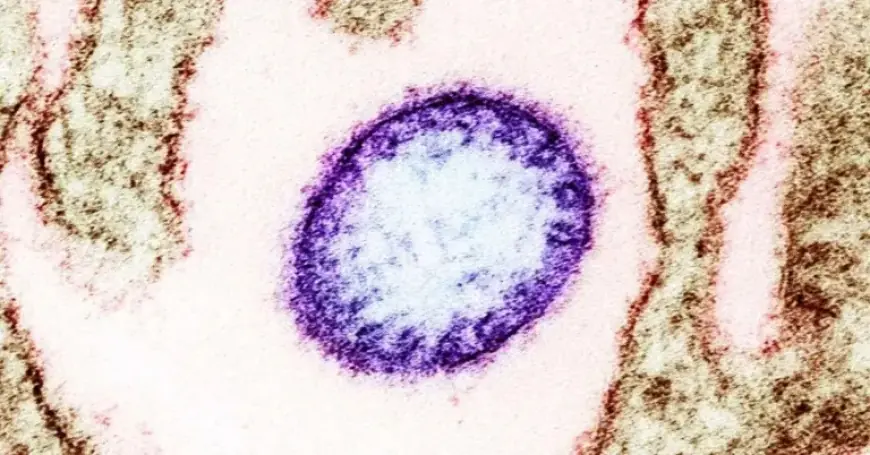
A nipah virus cluster in eastern India is driving heightened health screening across parts of Asia on Friday, Jan. 30, 2026 (ET), even as global health officials describe the risk of wider spread as low. The latest nipah virus outbreak involves two confirmed infections in West Bengal, both hospitalized, and has triggered travel monitoring and temperature checks at multiple airports as officials aim to spot sick travelers quickly.
The fast-moving online chatter about a “new virus 2026” has also surged alongside the headlines. Nipah is not new, but the nipah virus in india 2026 cluster is being treated seriously because the disease can be severe and has caused deadly outbreaks in the region before.
Nipah virus outbreak India: what’s confirmed
India has confirmed two Nipah infections in West Bengal, with public health teams tracing and monitoring a large group of contacts. A deadly nipah virus outbreak is often defined by the virus’s high case-fatality potential, but officials stress that this event is currently small, with no sign so far of sustained spread beyond the initial cluster.
Key points officials have highlighted:
-
Over 190 contacts linked to the confirmed cases have been monitored, with no positive tests or symptoms reported so far among those contacts.
-
The two patients were hospitalized, and at least one has been described as improving.
-
There is no public indication of a worrying change in how easily the virus spreads, while scientists await more sequencing information.
This is the latest india nipah virus outbreak event to draw international attention, but it is not the first time West Bengal has dealt with Nipah activity.
Why the region is tightening airport screening
Despite guidance that broad airport screening has limits, governments across Asia are choosing visible measures to reassure travelers and health systems. Temperature checks can miss infections, especially when symptoms are mild early on or appear later, but they can still serve as a triage layer that directs visibly ill passengers to further assessment.
Several jurisdictions have moved quickly to increase vigilance for flights and arrivals linked to India. The core goal is early detection of feverish travelers and rapid referral to local health services if symptoms match concern patterns for Nipah-like illness.
Bali: what travelers are seeing at the airport
Bali has become a focal point in travel-related searches because I Gusti Ngurah Rai International Airport has tightened health monitoring as part of Indonesia’s broader entry-point vigilance. Travelers may notice:
-
Thermal scanning and closer observation by health quarantine officers
-
Guidance to report fever or feeling unwell immediately to airport or quarantine staff
-
Referral pathways to designated hospitals in Denpasar for further evaluation when screening flags symptoms
These steps are designed to catch symptomatic arrivals quickly rather than to prove that Nipah is circulating locally. Officials have stated that no Nipah cases have been detected in Indonesia to date.
What “nipah” is—and why it spooks people
Nipah is a zoonotic virus associated with fruit bats and spillover events, and it can cause severe respiratory illness and encephalitis (brain inflammation). It does not typically spread as efficiently between people as influenza or measles, but when human-to-human transmission happens, it is usually tied to close contact, including caregiving and healthcare exposures.
There is no licensed treatment that cures Nipah and no widely available approved vaccine, which is why even small clusters can generate outsized concern. Supportive hospital care and strict infection control practices remain the main tools.
“New virus 2026” vs. a known threat returning
The phrase new virus 2026 has been used broadly online, but it can blur an important distinction: Nipah has been recognized for decades, with outbreaks documented across South and Southeast Asia. What’s new in 2026 is the location and timing of this specific cluster and how quickly travel-related precautions can ripple across the region.
For India, this is another reminder that Nipah can reappear in different settings—sometimes linked to contaminated food exposure and sometimes connected to healthcare environments—requiring rapid contact tracing, isolation, and community risk messaging.
What happens next
The most important near-term indicators are clinical and epidemiological rather than political: whether additional linked cases are identified, whether any infections appear outside known contact chains, and what viral sequencing reveals about this cluster. If contact monitoring continues to show no spread beyond traced contacts, the current event may remain contained. If new cases surface without clear exposure links, authorities may expand local restrictions and healthcare precautions.
For now, the practical message is measured: the nipah virus outbreak india response is active and highly visible, but the confirmed case count remains limited, and officials continue to describe the broader spread risk as low.
Sources consulted: World Health Organization; Reuters; ABC News; The Jakarta Post; Antara News; Hong Kong Centre for Health Protection.