






















Don Lemon Arrested and Taken Into Custody: What We Know About the Minnesota Church Protest Case, Georgia Fort, the Charges, and Why Lemon Was Fired From His TV Network

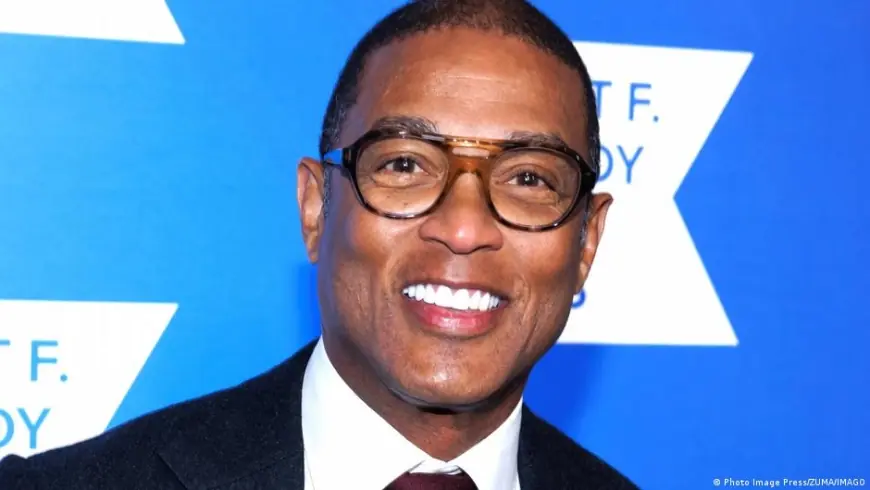
Don Lemon was arrested and taken into custody by federal agents in Los Angeles early Friday, January 30, 2026 ET, in a case tied to his coverage of a January 18 protest inside a church in St. Paul, Minnesota. The arrest has quickly become a flashpoint over press freedom, protest policing, and the legal line between documenting an event and participating in it.
Federal officials have described the church incident as a coordinated disruption of a worship service connected to anger over immigration enforcement. Lemon’s lawyer, Abbe Lowell, says Lemon was reporting as a journalist and will fight the case.
Was Don Lemon Arrested and Why Was He Taken Into Custody?
Yes. Lemon was taken into custody in Los Angeles and arrested on a federal case connected to the January 18 protest at Cities Church in St. Paul.
What authorities are alleging: the protest interrupted a religious service, and prosecutors have been pursuing a theory that the conduct involved interference with worship and civil-rights-related protections tied to the ability of people to attend services without disruption. Public statements have not consistently spelled out the exact charge list against Lemon as of Friday morning ET, but officials have framed the matter as stemming from the church disruption.
What Lemon’s side argues: his attorney says Lemon was present in a journalistic capacity, documenting and interviewing people at the scene rather than acting as an organizer or participant.
Don Lemon Church Protest: What Happened at Cities Church in St. Paul
On January 18, a group entered Cities Church during a service and chanted anti-immigration-enforcement slogans. The action was aimed at the presence of a pastor who also serves as a local official with U.S. Immigration and Customs Enforcement. The protest was part of a broader wave of anger in Minnesota over immigration enforcement activity and the deaths of protesters in recent confrontations involving federal agents.
The core factual dispute now sits at the center of the legal fight: whether Lemon’s conduct inside and around the church amounted to newsgathering or crossed into conduct prosecutors believe was part of the disruption.
Georgia Fort Arrested: Who Is She and Why Is Her Case Linked?
Georgia Fort is an independent Minnesota journalist who was also taken into custody in connection with the same church protest. Her arrest matters because it broadens the case from a single high-profile figure into a wider question: are journalists being targeted for filming and broadcasting contentious events tied to immigration enforcement?
Fort’s public comments around the time of her arrest emphasize that she believes she is being prosecuted for documenting the protest rather than participating in it. That claim, like Lemon’s, sets up a constitutional clash over the protections afforded to journalists covering protests and law enforcement activity.
Don Lemon Charges and “Charges Dropped” Claims: What’s Confirmed
At this point, it is accurate to say Lemon has been arrested and is facing a federal prosecution theory tied to the church disruption. It is not accurate to claim the charges have already been dropped. Earlier efforts by prosecutors to secure legal approval for charges against Lemon were rebuffed by a federal magistrate judge, but subsequent moves by federal authorities still resulted in arrests.
In other words: an initial attempt to advance the case did not succeed, yet the government continued pursuing it and ultimately arrested Lemon. Whether the case survives motions to dismiss or later collapses is a forward-looking question, not a settled fact.
Who Is Don Lemon?
Don Lemon is a longtime American television journalist and broadcaster who spent years as a prominent on-air host, later moving into independent work after leaving his network role. Over the course of his career, he became known for political coverage, high-profile interviews, and opinionated commentary, especially during polarized election cycles.
That visibility is part of why this arrest is resonating beyond Minnesota: the case is not only about one church protest, but about how aggressively the federal government will pursue protest-related investigations that touch journalists.
Why Was Don Lemon Fired From His TV Network?
Lemon’s departure in April 2023 followed a turbulent period on a morning program and public backlash after comments about women and aging. The exit also came amid reports of internal friction and concerns about conduct and professionalism that had been circulating for months. The network and Lemon publicly disagreed at the time about whether it was a mutual separation or a firing.
In short: the break was driven by on-air controversy, behind-the-scenes strain, and reputational risk management at a moment when networks were under pressure to stabilize ratings and avoid repeated internal disruption.
Behind the Headline: What’s Really Being Fought Over
Context: This case is unfolding in a climate of intensified immigration enforcement and escalating protest tactics, with Minnesota emerging as a focal point after deadly incidents involving federal agents and demonstrators.
Incentives: Federal officials have an incentive to deter disruptive protest tactics by attaching serious legal consequences. Critics argue there is also an incentive to chill scrutiny by making examples of visible figures and those filming confrontations.
Stakeholders: The government wants deterrence and control of escalation. Protest organizers want moral urgency and attention. Journalists want clear protection for documenting events. Faith communities want security and autonomy in worship. Courts are left to define boundaries that will shape future protest coverage nationwide.
Second-order effects: If prosecutions expand to people primarily engaged in filming and interviewing, newsrooms and independent reporters may self-censor around immigration enforcement operations. If courts rein in the theory, it could strengthen legal guardrails for protest coverage and limit future attempts to criminalize documentation.
What Happens Next: Realistic Scenarios to Watch
-
Court appearance and bail decision, with arguments centered on First Amendment protections and probable cause.
-
Motions to dismiss or narrow charges, testing whether the government can link reporting activity to criminal intent.
-
Parallel prosecutions of alleged protest organizers, which may determine whether the church disruption is treated as protest conduct or a targeted civil-rights offense.
-
Additional arrests or subpoenas aimed at footage and communications, raising press-rights fights over compelled disclosure.
-
Political fallout and oversight demands if the case is seen as selective enforcement while other high-profile incidents remain under investigation.
For now, the key fact pattern is clear: Don Lemon has been arrested and taken into custody in a federal case tied to the Cities Church protest, and the legal battle will turn on a tight, high-stakes question of role and intent—was he reporting, or was he part of the disruption?