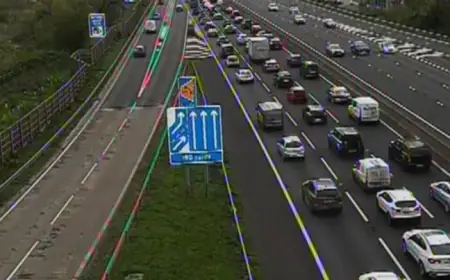

























m5 and Lidl: Expansion plans sharpen focus on motorway-linked sites in early 2026

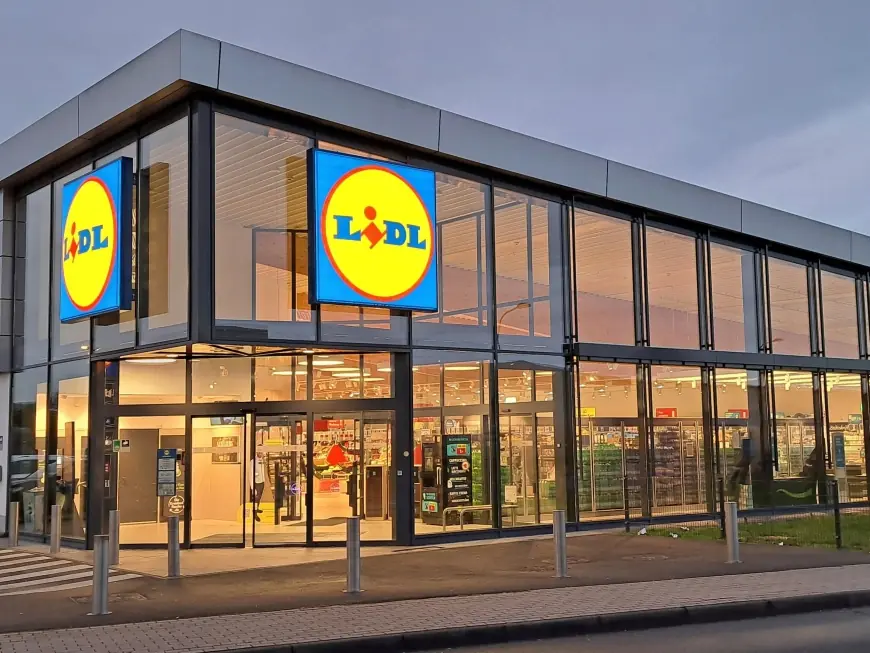
Lidl’s early-2026 store opening push is putting fresh attention on how motorway access shapes UK grocery growth—especially along key routes like the M5 that tie together logistics, commuter catchments, and fast-growing edge-of-town developments. The retailer says it plans to open 19 new stores within an eight-week window that began in mid-January, alongside a separate investment program to modernise dozens of existing locations.
The strategy matters now because grocery competition is increasingly being won on convenience and supply reliability: the ability to keep shelves full while opening new sites quickly, without stretching delivery networks or store staffing.
19 stores in eight weeks: what’s been announced
A Lidl GB statement dated January 13, 2026 (ET) set out an aggressive opening cadence—roughly a new store every other day—spanning England from Wiltshire to Yorkshire. The same announcement set expectations for new roles and for upgrades across the existing estate, including more freezer capacity and energy-saving systems.
Here are the headline figures from the plan:
| Metric | Detail |
|---|---|
| New store openings | 19 (within ~8 weeks) |
| New roles | Up to 640 |
| Store modernisation investment | Over £40 million (also described as £43 million for refurbishments) |
| Existing stores to be upgraded | More than 70 |
| Household reach | Over 60% of British households |
| Food redistribution | 18.5 million meals donated last year through its surplus-food scheme |
How the M5 corridor shapes growth
For retailers, the M5 is more than a motorway—it’s a spine that links the West Midlands to the South West, with dense commuter flows, freight movement, and a string of growth zones clustered around junctions. That combination keeps planners and developers interested in motorway-adjacent plots that can support larger-format discount stores with parking, easier deliveries, and strong “drive-to” catchments.
One clear example is Bridgwater Gateway in Somerset, located near Junction 24 of the M5. Development communications around the site have highlighted the “strategic” motorway access and the role it plays in drawing shoppers from surrounding towns as well as passing traffic. For Lidl, locations like this can reduce the risk of underperforming footfall while keeping delivery routing straightforward—especially when a region is being served by a limited number of distribution nodes.
Store upgrades and the capacity question
The modernisation program—covering more than 70 stores—signals that Lidl is trying to balance expansion with throughput: faster checkouts, larger freezers, and updated refrigeration and lighting are practical ways to raise volume without constantly adding selling space.
Energy-saving features also serve a double purpose. They can lower operating costs and reduce exposure to electricity price volatility, while giving planning teams another “sustainability” lever when pitching projects to local authorities and communities.
What shoppers and local labour markets will notice
For shoppers, the near-term impact is straightforward: more sites, a broader footprint in areas where Lidl previously had gaps, and stores that feel more “high capacity” as freezer sections expand and layouts are refreshed.
For local labour markets, the numbers suggest concentrated hiring bursts. New openings bring retail roles, while the logistics backbone (drivers, warehouse staff, maintenance contractors) tends to scale in parallel—particularly in regions where motorway access makes it easier to serve multiple stores from a single hub.
What to watch next through early March
The eight-week window that started mid-January runs into early March 2026, which means the opening schedule will be the key real-world test: whether stores come online as planned, and whether refurbished locations can stay operational smoothly during upgrades.
Other indicators worth tracking are local planning approvals near motorway junctions, developer announcements tied to business parks, and any further detail on where Lidl prioritises refurbishments—because the pattern can reveal where demand is strongest and where competition is biting hardest.
Sources consulted: Lidl GB Media Centre; Food Manufacture; Time Out UK; Bridgwater Gateway (developer updates).