






















ICE Halts Large Operations in Maine Following Collins-Noem Discussions

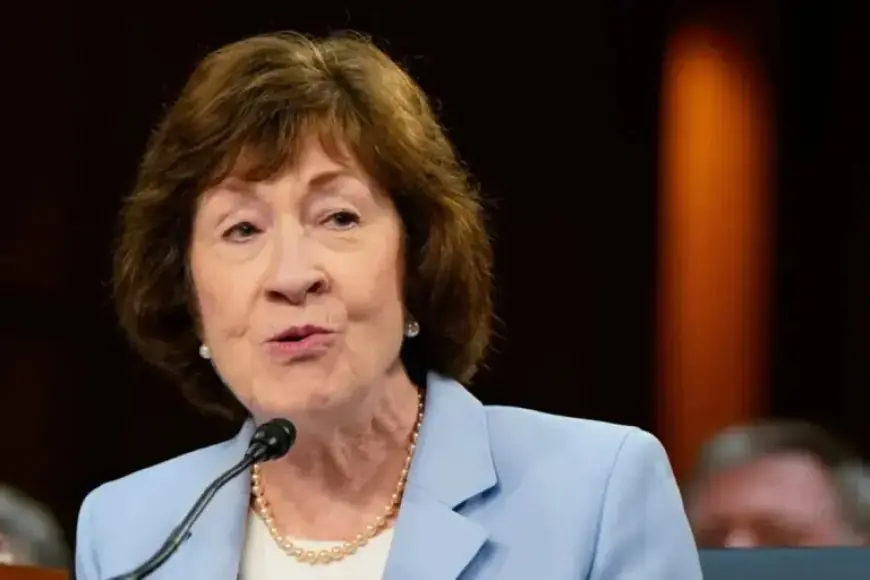
U.S. Senator Susan Collins of Maine announced that Immigration and Customs Enforcement (ICE) has ceased large-scale operations in the state. This decision follows recent discussions with Secretary of Homeland Security Kristi Noem, amid concerns over ICE’s aggressive enforcement tactics.
Details on ICE Operations Halt
Collins, a Republican, stated, “There are currently no ongoing or planned large-scale ICE operations here.” Her announcement comes in the wake of a surge in enforcement activity leading to over 200 arrests in a matter of days.
Background of Recent Enforcement
The law enforcement initiatives began with an operation known as “Catch of the Day.” Reports indicated that around 50 arrests occurred on the first day alone, targeting approximately 1,400 individuals across Maine’s rural landscape. The state has a population of 1.4 million residents, with about 4% being foreign-born.
Public Response and Political Implications
Collins urged the administration to reconsider ICE’s approach to enforcement. The Senator’s statements came after President Donald Trump suggested a need to ease tensions post a deadly incident involving immigration agents.
- A significant portion of the arrests involved individuals with serious criminal convictions.
- However, some detainees had unresolved immigration cases and were not convicted of crimes.
As elections draw near, Collins, who is up for reelection, has not called for any repercussions against Secretary Noem, unlike other Republican senators facing tough races. In contrast, Democratic Governor Janet Mills has demanded accountability from immigration officials, insisting on transparency regarding judicial warrants and real-time arrest statistics.
Challengers to the Status Quo
Graham Platner, a first-time Democratic candidate, criticized the actions of both Mills and Collins regarding ICE operations. He labeled ICE as an agency that should be dismantled and organized protests to voice his concerns.
The political landscape in Maine continues to evolve as candidates on both sides grapple with the implications of immigration enforcement and public sentiment. Collins’ recent statements and actions will likely influence both her campaign and future discussions on immigration policy in the region.