Springsteen’s “Streets of Minneapolis” lyrics spark rapid national debate over immigration raids

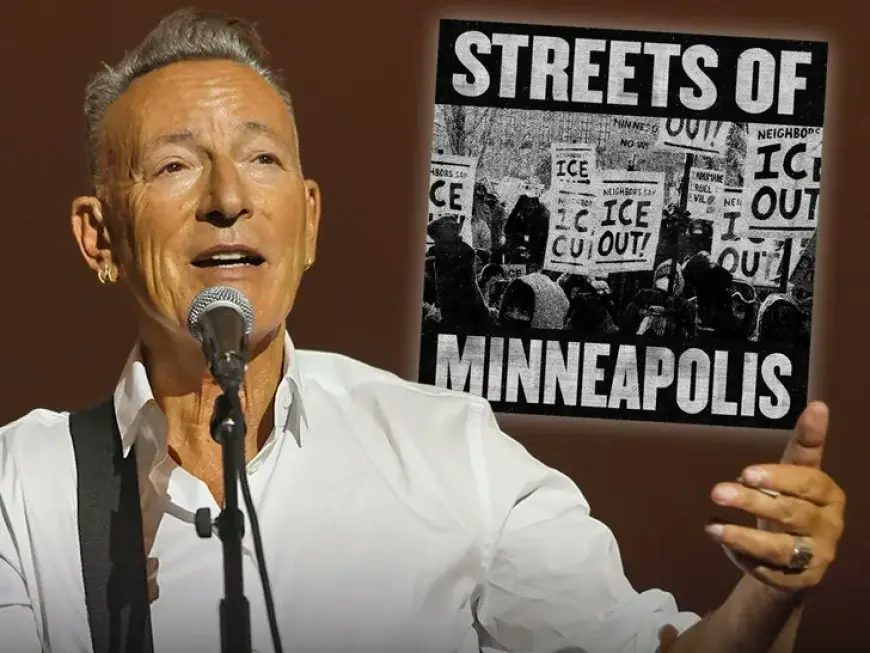
Searches for springsteen streets of minneapolis lyrics spiked after Bruce Springsteen released a new protest single, “Streets of Minneapolis,” that directly responds to recent deadly immigration enforcement encounters in the city. The song arrived as the Minneapolis shootings reverberated far beyond Minnesota, pulling music, politics, and public accountability into the same fast-moving conversation.
Released Wednesday, January 28, 2026, ET, the track frames Minneapolis as a winter city under pressure and centers two victims by name while condemning federal tactics tied to immigration enforcement.
A swift release tied to Minneapolis deaths
“Streets of Minneapolis” was written and recorded as an immediate reaction to two fatal shootings involving federal immigration agents in Minneapolis: Alex Pretti, identified as an ICU nurse, and Renee Good, identified as a mother of three. Springsteen dedicated the song to the city, its immigrant community, and the memory of the two victims, placing the deaths at the core of the record rather than treating them as background context.
The political temperature around the song rose quickly because it does not aim for ambiguity. It challenges the federal government’s approach to immigration enforcement in direct language and portrays the city’s response as resistance, not disorder.
Further specifics were not immediately available about the full sequence of events leading up to each shooting, including what authorities say happened moment by moment before gunfire.
What the lyrics emphasize, without leaning on mystery
While fans are hunting for the full text of the song, the broad contours of the lyrics are clear from the way Springsteen structures the story: place, victims, accusation, and vow. Minneapolis is depicted through cold-weather imagery and street-level scenes, then the narrative tightens around the two deaths and the fear felt by immigrant neighbors and residents caught in the sweep of enforcement actions.
The lyric approach echoes Springsteen’s long-running protest catalog by linking individual names to a larger system. The song also pushes beyond mourning into an explicit demand for change, treating immigration enforcement as a political choice with immediate human consequences. It closes on a communal-note ending that borrows from real-world protest energy rather than a traditional sing-along hook.
Key terms have not been disclosed publicly about how any proposed accountability measures would be defined or enforced across different federal units involved in immigration operations.
How immigration enforcement operations typically unfold
Federal immigration enforcement commonly involves agents working from civil immigration records, administrative warrants, and removal orders, sometimes alongside criminal investigations in specific cases. Operations can be planned around locating individuals at homes or workplaces, and the degree of coordination with local authorities varies widely by jurisdiction and policy. Encounters can escalate quickly when identity is disputed, when people fear detention, or when agents believe a suspect may flee—conditions that can turn routine contact into a crisis.
That broader framework is why a single incident can ripple: even when an operation targets one person, the visible presence of armed agents and the uncertainty around who might be questioned can affect entire neighborhoods.
Who is affected by the lyrics-driven backlash
The immediate impact is felt by at least two groups in different ways: immigrant families and Minneapolis residents who see the song as amplifying fear and grief; and federal officers and agencies who now face heightened scrutiny over tactics, training, and decision-making. Local leaders and community organizations are also pulled into the aftermath, balancing public safety concerns with demands for transparency and accountability.
Beyond Minneapolis, the release has energized listeners who treat Springsteen’s work as civic commentary, while also hardening opposition among those who argue that immigration enforcement is being unfairly vilified. For the music industry, the moment underscores how quickly a surprise single can become a national flashpoint when it attaches itself to a live political wound.
The next milestones: benefit show and pending public clarity
A benefit concert has been scheduled at Minneapolis’ First Avenue venue with multiple artists set to perform in support of the victims’ families, giving the community an organized next moment for fundraising and visibility. Meanwhile, the federal government has defended its broader immigration agenda, and political leaders are signaling that the Minneapolis incidents will remain central in the push-and-pull over enforcement standards.
In the days ahead, attention is likely to shift from the song’s immediate shock to whether official reviews, disciplinary steps, or policy changes are announced—and whether a clearer public timeline emerges for what happened in the encounters that inspired “Streets of Minneapolis.”