

























Detective Drama ‘Under Salt Marsh’ Explores Climate Anxiety on Welsh Coast

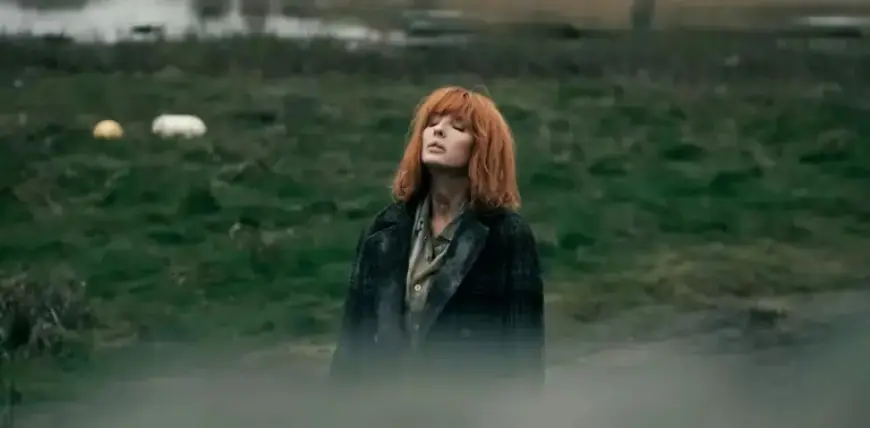
In its latest offering, Sky Arts presents a detective drama titled “Under Salt Marsh,” set against the striking backdrop of North Wales’ coastal landscapes. The fictional Morfa Halen, which translates to “salt marsh,” draws inspiration from real-life locations like Shell Island. This tidal island becomes isolated each night, providing an atmospheric setting that enhances the show’s themes of community and environmental fragility.
Plot Overview
The series follows Jackie Ellis, portrayed by Kelly Reilly, a primary school teacher grappling with past trauma. Following the discovery of her student Cefin’s body in a drainage ditch, Ellis becomes actively involved in the investigation. Her personal history is complicated; years ago, her niece went missing under similar circumstances. This haunting past drives her to question witnesses and exert influence over Detective Eric Bull, played by Rafe Spall, her junior partner at the time of her niece’s disappearance.
Character Dynamics
Ellis and Bull share a complex relationship, underscored by past failures and current tensions. Although Bull claims Ellis was suspended for misconduct, she argues he failed her when they were partners. Despite their conflicts, they enter into a covert partnership to solve Cefin’s case, showcasing a classic detective trope of the experienced professional teaming up with an amateur.
Exploring Environmental Themes
Under Salt Marsh stands out for its environmental focus. The community of Morfa Halen faces displacement due to climate change, a pressing issue along the North Wales coast. They are threatened by severe storms and rising sea levels, making the investigation a race against time as crucial evidence could soon be washed away. This theme resonates deeply with contemporary audiences concerned about ecological and societal issues.
Cultural Reflections
The show delves into Welsh identity, although its portrayal is nuanced and sometimes problematic. The narrative incorporates glimpses of Welsh culture, such as occasional Welsh language usage, yet English dominates the dialogue. Notably, characters of color are underrepresented, highlighting ongoing issues within the representation of Welsh identity in media.
Setting and Cinematic Style
Director Claire Oakley captures the essence of neglected seaside towns through vivid imagery and sound design. The atmosphere is crafted with attention to detail, from seasonal activities to local struggles. The stunning visuals juxtapose picturesque coastal views with the realities of economic downturn and community upheaval.
Conclusion
“Under Salt Marsh” is more than a typical detective story; it serves as a poignant commentary on climate anxiety and community challenges in Wales. With its blend of engaging characters and pressing ecological themes, it offers a fresh take on the detective genre. Viewers are encouraged to tune in for a complex narrative that entwines mystery with significant social commentary.