
























Judge Orders Minnesota Refugees Freed After ICE Crackdown

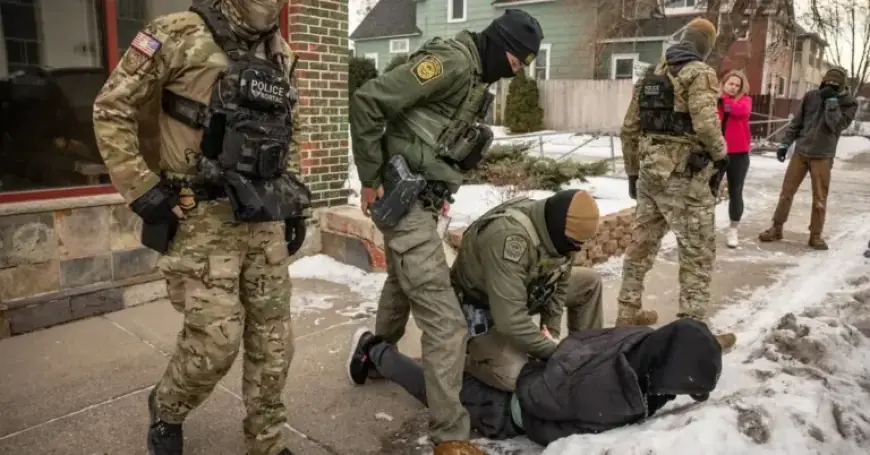
A federal judge has issued a significant ruling regarding the treatment of refugees in Minnesota. The order prevents federal agents from detaining and deporting refugees lawfully admitted to the country. Additionally, the judge mandated the immediate release of refugees currently held for reassessment of their cases.
Judge Halts ICE Operations in Minnesota
On Wednesday evening, Judge John R. Tunheim of the U.S. District Court for the District of Minnesota granted a temporary restraining order. This decision halted the Trump administration’s recent crackdown that has reportedly affected over 100 individuals.
Background of the Ruling
The ruling came in response to a class-action lawsuit filed by refugees. These individuals were represented by the International Refugee Assistance Project, as well as legal firms like Berger Montague and the Center for Human Rights and Constitutional Law. Judge Tunheim emphasized that refugees possess a legal right to live peacefully in the United States without the fear of arbitrary detention.
Government’s Crackdown Overview
- Operation began on January 13, targeted individuals in the Twin Cities.
- Federal agents allegedly arrested refugees in their homes and public places.
- Refugees were transported to Texas for immigration interviews.
Some refugees have reported prolonged interrogations while others faced harsh treatment, including shackles during transport. Family members expressed concerns over the wellbeing of those detained, with many reporting difficulty in contacting their loved ones.
Implications of the Court’s Decision
This ruling has broader implications as the Trump administration had indicated plans to extend its crackdown to additional states. The administration’s initiative focuses particularly on approximately 5,600 refugees in Minnesota who are awaiting permanent residency status.
Statements from Advocates
Sergio Perez, the executive director of the Center for Human Rights and Constitutional Law, highlighted the importance of the ruling. He asserted that it safeguards the rights of those who have already faced significant hardships due to war and persecution.
Concerns Regarding Refugee Treatment
Refugees involved in the recent arrests detailed alarming experiences during their detention. For instance, Walid Ali, a 19-year-old refugee, recounted being beaten by agents while in custody. Another individual, Selamawit Mehari, described the distressing conditions of being restrained before her flight to Texas.
Legal and Ethical Considerations
The lawsuit argues that these actions by the government are illegal and aimed at coercing refugees into accepting deportation. The court’s ruling serves not only as a protective measure for Minnesota refugees but also signals a potential shift in how the government handles cases nationwide.
As this situation unfolds, it raises critical questions about the treatment of refugees in the United States and the enforcement of immigration laws.