
























Federal Reserve Maintains Rates Amidst High Inflation and Strong Economic Growth

The Federal Reserve has opted to maintain its key interest rate at approximately 3.6 percent, marking a pause after three reductions in the previous year. This decision reflects a stable job market and solid economic growth, an upgrade from last month’s assessment of modest progress.
Key Reasons Behind the Federal Reserve’s Decision
Despite steady economic expansion, concerns over elevated inflation persist. The Fed’s preferred inflation measure stood at 2.8 percent as of November, slightly up from the previous year. While officials anticipate future rate reductions, they await clearer evidence that inflation is heading towards the central bank’s target of 2 percent.
Division Among Fed Officials
- Two officials, Stephen Miran and Christopher Waller, dissented from the decision to maintain rates.
- Miran, appointed by former President Donald Trump, has favored a quarter-point cut in past meetings.
- Waller is being considered as a potential replacement for current Chair Jerome Powell, whose term concludes in May.
The Federal Reserve is currently divided. Some members remain cautious about further cuts until inflation decreases, while others advocate for reductions to boost job growth.
Economic Outlook and Consumer Confidence
Most economists forecast that the Federal Reserve may implement at least two rate cuts this year, potentially during the June meeting or later. However, trade policies, including tariffs, also weigh heavily on the Fed’s decisions.
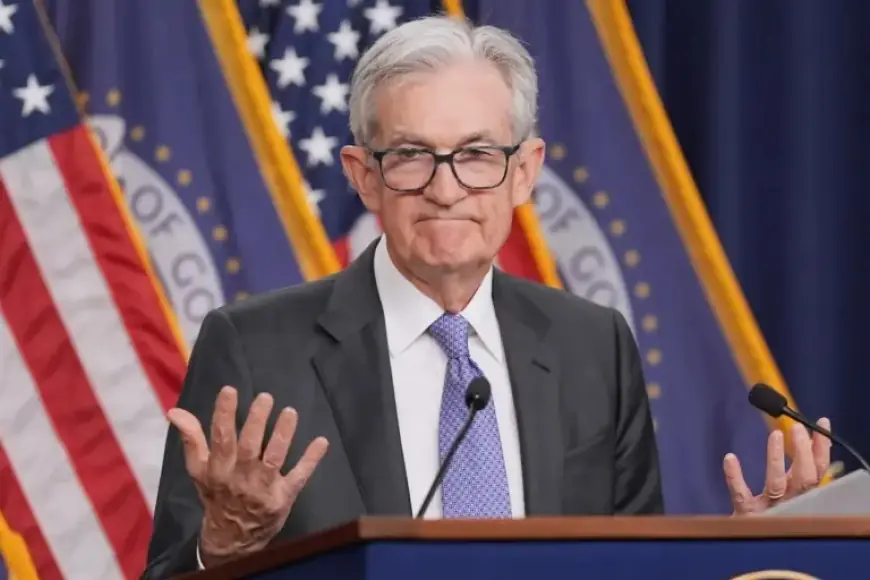
Fed Chair Jerome Powell acknowledged that while tariffs have already impacted inflation, their effects are expected to diminish over time. Economists anticipate that larger-than-usual tax refunds and subsequent consumer spending could bolster the economy further.
Concerns Over Job Growth and Consumer Sentiment
Although the economy shows signs of strength, job growth remains sluggish. The Conference Board reported a significant drop in consumer confidence, reaching an 11-year low in January. This apprehension among consumers reflects broader concerns about economic stability and employment opportunities.
Looking Ahead: Federal Reserve’s Independence
The Federal Reserve’s independence is facing unprecedented scrutiny from the current administration. Powell has faced subpoenas regarding a congressional inquiry into Fed operations, which some analysts view as an attempt to influence monetary policy.
As Powell navigates these challenges, he expresses confidence in the Fed’s ability to maintain its autonomy. The upcoming months will be pivotal in assessing how external pressures impact the Federal Reserve’s strategies amidst ongoing economic growth and persistent inflation.