
























Shirley Raines, the “Ms. Shirley” Behind Beauty 2 The Streetz, Dies at 58, Leaving a Gap in Frontline Homeless Outreach

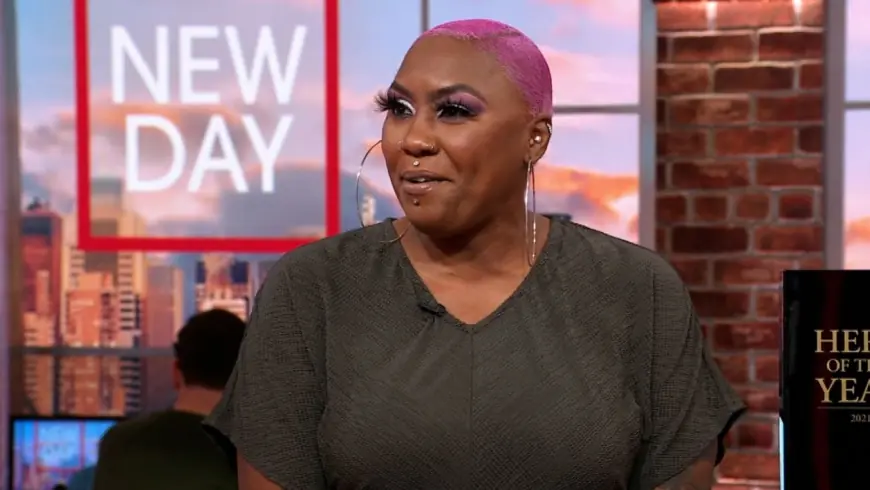
Shirley Raines, the founder and driving force behind the nonprofit Beauty 2 The Streetz, has died at age 58, according to a statement released Wednesday, January 28, 2026 ET. Raines became nationally known for hands-on outreach to people living on the streets of Los Angeles, especially in Skid Row, where she combined basic necessities with an unusually personal form of care: hair, makeup, and hygiene services aimed at restoring dignity, not just meeting urgent needs.
Family members said she was found unresponsive at her home in Henderson, Nevada, late Tuesday, January 27, 2026 ET. Officials have not publicly confirmed a cause of death, and an autopsy is pending. No foul play has been indicated.
What happened and what is confirmed so far
The nonprofit announced Raines’s death on January 28, describing the loss as devastating to staff, volunteers, and the communities served. Beyond the basic facts, the most important details remain unresolved: the cause of death has not been disclosed, and there has been no public timeline of any illness or medical event leading up to her passing.
In the hours after the announcement, tributes poured in from supporters, outreach workers, and people who credited her with practical help and human recognition at a time when they felt invisible.
Who Shirley Raines was and why her work mattered
Raines built Beauty 2 The Streetz around a simple but powerful premise: people experiencing homelessness need food and supplies, but they also need to be seen as fully human. Her outreach model frequently paired meals, water, and hygiene kits with grooming services and conversation. The beauty component was not cosmetic vanity; it was a deliberate intervention against dehumanization.
Her work became widely watched online, helping the nonprofit attract donations, volunteers, and partnerships. That visibility also helped shift the public narrative around homelessness away from abstract statistics and toward individual stories. In 2021, she received a prominent national humanitarian honor, along with a 100,000 dollar grant that boosted the nonprofit’s capacity.
Raines was also a mother of six and, in recent years, expanded her nonprofit’s footprint beyond California into Nevada, reflecting both the growth of her operation and the spread of homelessness pressures across the West.
Behind the headline: the incentives, stakeholders, and what her death reveals
Raines’s death highlights a structural reality in modern nonprofit work: many frontline organizations are built around a founder’s trust and presence. That is a strength when the founder is active, but it can become a vulnerability when leadership is suddenly removed.
Incentives were always in tension around her work:
-
Donors and supporters want visible impact and accountability.
-
Cities and agencies want order, safety, and measurable outcomes.
-
People living outdoors want consistency, respect, and reliable access to essentials.
-
Volunteers want to help without being pulled into political crossfire over encampment policy.
Raines operated in the narrow space where compassion meets public controversy. Outreach in Skid Row and similar areas often sits beside disputes over policing, service access, public health, and relocation efforts. Her approach cut through bureaucracy by showing up with supplies and care, but that directness also meant she carried the emotional and logistical load personally.
Second-order effects matter here. When a founder becomes a public face, the organization can grow faster, but it can also become dependent on one person’s credibility and stamina. The loss of that figure can disrupt funding, volunteer coordination, and the trust of the people served.
What we still don’t know
Several questions will shape what happens next:
-
The cause of death and whether it followed a known illness or a sudden emergency
-
Who will serve as interim leadership for Beauty 2 The Streetz and how governance will be handled
-
Whether scheduled outreach operations will pause, scale down, or continue uninterrupted
-
How the nonprofit will manage donations and public attention during a period of grief
-
What succession plans, if any, were in place for a founder-led operation
What happens next: realistic scenarios to watch
-
Continuity plan activates quickly
Trigger: a prepared board and senior staff announce interim leadership and maintain regular service routes. -
Short-term disruption, then stabilization
Trigger: volunteer coordination and logistics slow temporarily while the nonprofit reorganizes roles and security. -
Fundraising surge, followed by a capacity test
Trigger: public grief drives a wave of donations that outpaces the organization’s ability to scale safely without new systems. -
Increased scrutiny of founder-driven nonprofits
Trigger: heightened attention brings questions about governance, financial oversight, and long-term sustainability. -
Partnerships expand in her absence
Trigger: agencies and larger service providers move to absorb or support parts of the nonprofit’s work to keep help flowing.
Why it matters
Shirley Raines did not just distribute supplies. She modeled a kind of public empathy that is increasingly rare in a polarized debate about homelessness. Her death leaves an immediate operational gap for the people who depended on her presence, and a longer-term challenge for the nonprofit she built: proving that dignity-centered outreach can survive beyond the founder who embodied it.