




















ICE Agents Deploy Military-Grade Weapons at Minnesota Homes

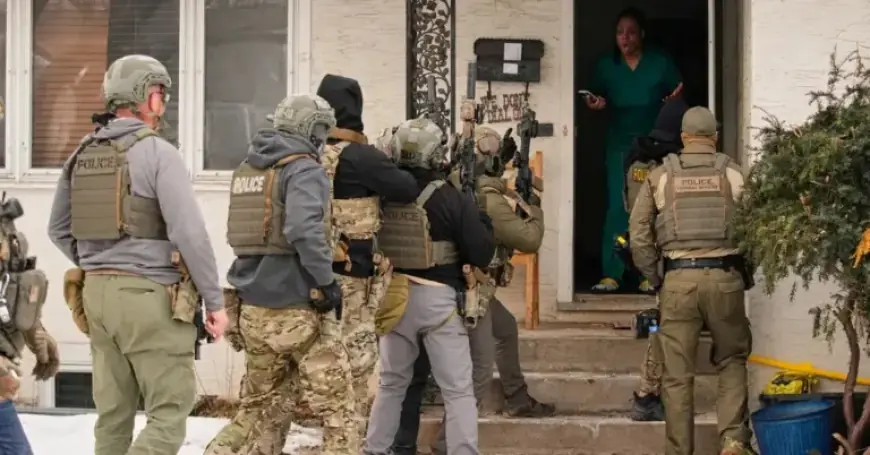
Recent immigration enforcement actions in Minneapolis have stirred significant concerns due to the military-style equipment deployed by federal agents. A striking image captured on January 11 by John Locher from the Associated Press shows federal agents stationed at the entrance of a home, armed with rifles and dressed in tactical gear reminiscent of war zones.
Military-Grade Equipment in Urban Environments
The look of these agents, equipped with helmets, body armor, and camouflage, starkly contrasts with typical law enforcement appearances. This unprecedented level of militarization has sparked outrage among citizens and activists alike.
History of Tactical Gear Usage
The gear utilized mirrors decades of combat experience in Iraq and Afghanistan. Advanced weaponry often reserved for special operations is now commonplace in American neighborhoods. Key equipment features include:
- Firearm Suppressors: Known for reducing noise and recoil, these devices have become increasingly popular. Production surged by over 9,000% from 2000 to 2021, as reported by the Bureau of Alcohol, Tobacco, Firearms, and Explosives.
- MAWLs: Modular Advanced Weapons Lasers, produced by B.E. Meyers & Co., are used for enhanced targeting in low-light conditions. Priced above $3,000, they help replicate battlefield advantages.
- M-LOK Rails: These rails, utilized on Daniel Defense rifles, provide a versatile platform for mounting accessories like lasers, flashlights, and grips. They are widely used within the U.S. military.
Incident Overview and Community Reaction
The federal agents’ operation targeted Teyana Gibson Brown’s home, where her husband, Garrison Gibson, was taken into custody. He is originally from Liberia. During the raid, Ms. Brown urged the agents to lower their weapons, insisting, “There’s kids in this house. Show the warrant first.”
Four days after the raid, Mr. Gibson was released following a ruling by a federal judge. The decision emphasized that the agents violated his Fourth Amendment rights against unlawful searches.
The Future of Immigration Enforcement
This incident raises critical questions about the militarization of immigration enforcement and its implications for civil rights. As communities witness the intersection of military-grade weapons and domestic law enforcement, the debate surrounding these practices will likely intensify.
For more updates on similar stories, visit Filmogaz.com.