U.S. Intel Reveals Iran’s Late Leader Doubted Son’s Succession, Sources Report

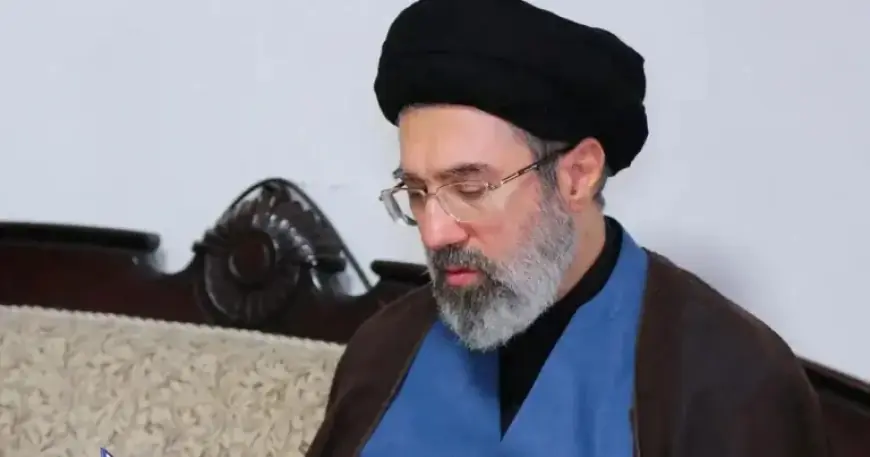
U.S. intelligence circulated an assessment to President Trump and a small group of advisers. Multiple sources told Filmogaz.com that Iran’s late supreme leader doubted his son’s ability to succeed him.
Intelligence findings
The analysis said Ayatollah Ali Khamenei viewed his son as not very bright. The report described the younger Khamenei as unqualified to lead. Sources also said the elder Khamenei knew of personal issues affecting his son.
Who provided the information
People within the administration, the intelligence community and those close to the president shared the findings. Filmogaz.com spoke with multiple sources about the matter. Spokespeople for the CIA, the White House and the vice president declined to comment.
Succession and the new supreme leader
Mojtaba Khamenei, 56, was selected last weekend by the council of religious clerics. He had served for years as a close aide to his father. He is Iran’s third supreme leader since the 1979 Islamic Revolution.
The transition is notable because the 1979 revolution ended hereditary monarchy. The father-to-son succession drew attention because it appears at odds with that history.
Strike that changed the leadership
About eight days before the clerics named the new leader, Ali Khamenei was killed. U.S. and Israeli officials say an Israeli missile strike carried out the attack. The strikes marked the opening salvo of the war between the U.S., Israel and Iran.
Mojtaba was reported to have been wounded in that strike. He has been described as remaining within his father’s inner circle. His exact condition remains unclear.
U.S. political and military response
President Trump, Vice President J.D. Vance and other senior officials were briefed. In private, Mr. Trump has questioned the practical value of the intelligence. He has said he believes Iran is effectively leaderless at the moment.
The White House assesses that the Islamic Revolutionary Guard Corps now exerts substantial control. Officials describe this as a shift from the long-standing theocratic structure.
Public comments and labels
Mr. Trump publicly suggested Ali Khamenei doubted his son. He called the new leader a “lightweight” and said he would be unacceptable for Iran. He also indicated a desire for oversight of any future Iranian leadership.
Reports on Mojtaba’s condition and rewards
Defense Secretary Pete Hegseth said the younger Khamenei was “wounded and likely disfigured.” Vice President Vance described the strike as leaving him wounded. The reports, however, did not provide a clear medical status.
The U.S. federal government offered up to $10 million for information on Mojtaba Khamenei and nine other key Iranian officials. The reward notice aims to clarify their locations and status.
Context of the conflict
The United States is now more than two weeks into its war with Iran. U.S. officials say their objective includes the destruction of the Iranian regime. The leadership uncertainty in Tehran has fed debates within Washington about next steps.
- Assessment shared with President Trump and select aides.
- Sources included administration and intelligence officials.
- Mojtaba Khamenei named supreme leader after his father’s death.
- Ali Khamenei killed in an Israeli missile strike roughly eight days before the selection.
- U.S. offered up to $10 million for information on Mojtaba and nine others.
U.S. intel revealed that Iran’s late leader doubted his son’s succession, sources reported. The findings add a new dimension to the unfolding leadership crisis in Tehran.