





















Lammy Rebuts Tory Criticism on Business Rates at PMQs

The recent Prime Minister’s Questions (PMQs) session highlighted the ongoing tensions between Labour and the Conservative Party regarding business rates and national policies. Shadow Business Secretary, Jonathan Griffith, took center stage, critiquing the government’s handling of economic issues.
Griffith’s Critique of Business Rates
During PMQs, Griffith emphasized his background in business while criticizing the government’s approach to supporting struggling high streets. He described their efforts as “too little, too late,” comparing the aid offered to “a box of sticking plasters” for severe economic wounds. This pointed criticism underlined the urgency for better solutions to aid businesses in distress.
Lammy’s Responses and Political Parody
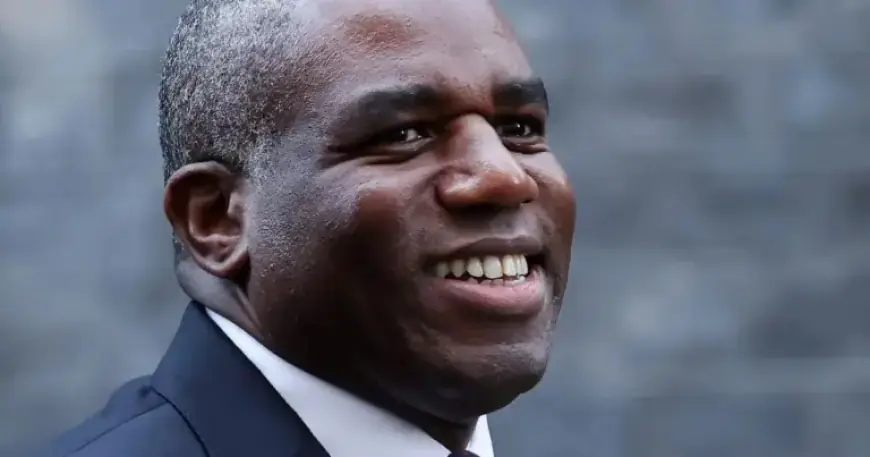
David Lammy, the Labour representative, engaged actively with Griffith’s claims despite limited notice about his questions. He managed to draw laughter from the government benches with clever remarks, targeting their inconsistencies. Notably, he referenced Tory members’ dissatisfaction with recent defections within their ranks.
- Lammy highlighted the need for stronger business support.
- He referenced Kemi Badenoch’s appearance on BBC’s “Desert Island Discs” to mock the Tory stance on queuing.
- He pointed out three recent defections from the Tory party, suggesting discontent among members.
Response Dynamics at PMQs
The exchanges at PMQs typically devolved into a battle of rhetoric rather than substantive policy discussions. The Tory benches appeared quieter than usual, limiting the effectiveness of Griffith’s arguments during the session. Nonetheless, he managed to label Lammy as “left behind Lammy,” implying that Labour’s leadership faced its own set of challenges.
Overall Performance Ratings
Following the session, informal assessments rated Lammy with an 8 out of 10 for his performance, while Griffith scored 6 out of 10. The ratings reflected Griffith’s inability to effectively communicate his expertise on business rates despite the competing voices during the debate.
The Political Landscape Ahead
As Labour prepares to leverage Tory vulnerabilities, the discussions around business rates are critical. With the government’s parliamentary majority at play, both parties are aware that public perception and party unity will influence future political dynamics.
In summary, the PMQs session not only showcased the ongoing business support debate but also underscored the political maneuvering that characterizes these confrontations. As the parties continue to clash, the need for clear and effective solutions remains paramount.