

















Blatter Calls for FIFA World Cup Boycott Against Trump’s Policies
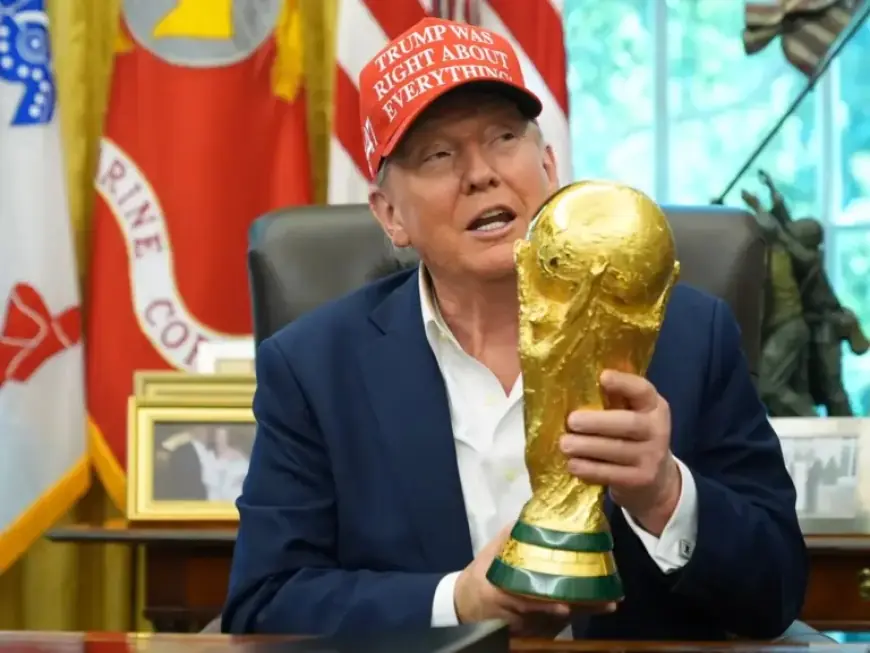
Sepp Blatter, the former president of FIFA, has publicly supported calls for a boycott of the 2026 World Cup. This event is set to take place in the United States, Canada, and Mexico from June 11 to July 19, 2026. Blatter’s stance arises in response to the policies and actions of President Donald Trump that are perceived as controversial both domestically and internationally.
Growing Concerns Over Trump’s Policies
Blatter, who led FIFA from 1998 to 2015, emphasized the need for caution concerning the US as a host nation. He referenced Mark Pieth, a Swiss lawyer and anti-corruption expert, who urged football fans to avoid attending the tournament. Pieth warned fans of potential issues with US immigration authorities, stating, “If we consider everything we’ve discussed, there’s only one piece of advice for fans: Stay away from the USA!”
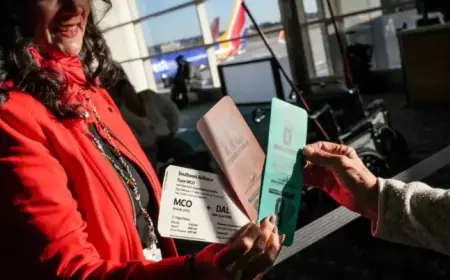
Additions to the call for a boycott include restrictions imposed by the Trump administration affecting fans from certain countries. Recently announced visa bans will prevent supporters from Senegal, the Ivory Coast, Iran, and Haiti from entering the US for the World Cup.
International Voices Join the Call
Blatter is not alone in his concerns. Football officials and political figures globally have echoed sentiments regarding a boycott. Oke Gottlich, vice president of the German Football Federation, has questioned the appropriateness of hosting the World Cup in the current political climate. He remarked that the threat level now is even greater than during past boycott discussions, such as those surrounding the 1980 Olympic Games.
- Countries involved in the World Cup: United States, Canada, Mexico.
- Event dates: June 11 to July 19, 2026.
- Countries facing visa bans: Senegal, Ivory Coast, Iran, Haiti.
Calls for Action from Africa and Europe
Calls for a boycott have gained traction in other regions as well. Julius Malema, the leader of South Africa’s main opposition party, has encouraged the South African Football Association to withdraw from the World Cup. Malema drew direct comparisons between Trump’s policies and South Africa’s apartheid history, advocating for action based on principles of international law.
In Europe, over 100,000 fans in the Netherlands have signed a petition urging a boycott. While the Royal Dutch Football Association is monitoring developments, it has stated that it currently has no plans to withdraw from the tournament.
Conclusion
The prospect of a boycott of the 2026 World Cup reflects broader protests against political decisions that are viewed as violating human rights. As the tournament approaches, the international community’s response to the US’s role as a host will continue to evolve.