Pizza Pops recall in Canada expands as E. coli O26 illnesses climb

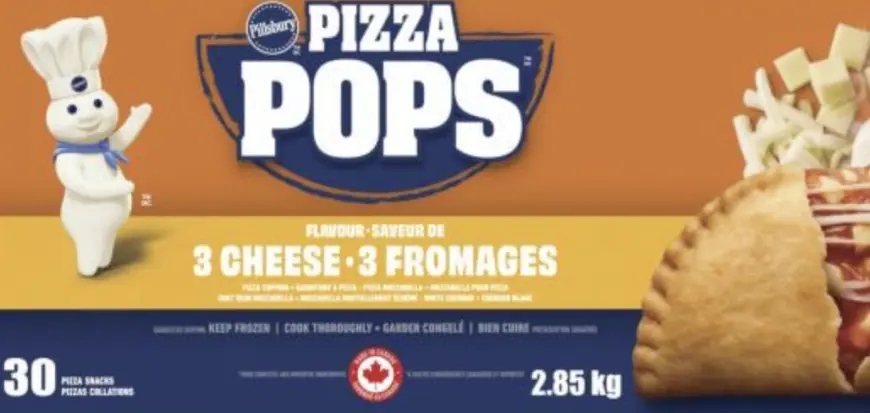
The pizza pops recall has widened again in Canada, with more Pillsbury Pizza Pops products pulled from sale over concerns about possible E. coli O26 contamination. Health officials are also tracking a growing number of illnesses linked to the recalled pizza snacks, a reminder that frozen foods can still carry serious foodborne risks.
The latest recall update, posted January 25, 2026, broadened the list beyond the earlier Pepperoni + Bacon focus. A public health update issued January 26, 2026, reported 29 illnesses and seven hospitalizations tied to the outbreak, with no deaths reported.
Recalled Pizza Pops list expands beyond the original December warning
The recalled pizza pops notice began in late December 2025 with specific Pepperoni + Bacon items, then expanded in January 2026 to include additional flavours and package sizes. The current Pillsbury Pizza Pops recall now covers multiple varieties, including Pepperoni, 3 Cheese, 3 Meat, Deluxe, and several Pepperoni + Bacon lines, along with a spicier branded Pepperoni + Bacon variant and a larger “Supremo Extreme” Pepperoni + Bacon product.
Most of the impacted items share “Better If Used By” dates that fall in June 2026, spanning early to late June. Consumers are being told to match the exact product name and size on the box to the recall details and to avoid eating anything that fits the recalled identifiers.
Key terms have not been disclosed publicly, including what specific production lot issue triggered the expanded list. The reason for the change has not been stated publicly in a way that pinpoints a single step in the supply chain.
Pizza Pops E. coli recall: what the illness data shows so far
The outbreak linked to the pizza pops e coli recall involves E. coli O26, a strain that can cause severe gastrointestinal illness. As of the January 26 update, illnesses were reported across seven provinces, with cases recorded in British Columbia, Alberta, Saskatchewan, Manitoba, Ontario, New Brunswick, and Newfoundland and Labrador. Health officials have said the age range of people who became ill runs from 1 to 87, and that seven people were hospitalized.
A foodborne outbreak investigation typically moves in stages, and case counts can rise even after a recall begins. Reports may increase as more people seek testing, as lab results are confirmed, and as investigators connect illness patterns to a common food exposure.
A full public timeline has not been released for when each specific recalled product was manufactured and distributed. Further specifics were not immediately available on whether additional products outside the current list are under review.
Why E. coli O26 in frozen snacks is treated as an urgent risk
E. coli contamination is taken seriously because it can make people sick even when food looks and smells normal. Symptoms can include nausea, vomiting, abdominal cramping, and diarrhea that may become watery or bloody. Some infections can lead to dangerous complications, including kidney problems that may require intensive medical care.
Even though Pizza Pops are intended to be cooked, that does not eliminate risk in every scenario. Undercooking, uneven microwave heating, and cross-contamination in kitchens can all allow bacteria to survive or spread. That is why recall guidance usually includes both “do not eat” instructions and cleaning steps for any surfaces or containers that may have touched the product.
What shoppers and food businesses should do right now
For households, the immediate action is to check freezers and set aside any products that match the recalled Pillsbury Pizza Pops varieties and dates. Consumers are being advised not to eat the products, and instead to discard them safely or return them where purchased. It also matters to clean and sanitize kitchen surfaces, utensils, and storage areas that may have been in contact with the food or its packaging.
Two groups are especially affected beyond everyday shoppers. First, retailers and food distributors have to identify and remove affected inventory, manage refunds, and reassure customers who may worry about similar frozen items. Second, healthcare providers and public health teams may see an uptick in people seeking guidance after gastrointestinal symptoms, particularly among families with young children and older adults who face higher complication risks.
In the days ahead, the next clear milestone will be an updated food recall warning or public health notice as laboratory work, product traceback, and case reporting continue. If officials add products, narrow the scope, or declare the outbreak over, that will come through a formal update tied to the ongoing investigation.