
























Kristi Noem under fire as Minneapolis shootings and Corey Lewandowski’s DHS role collide

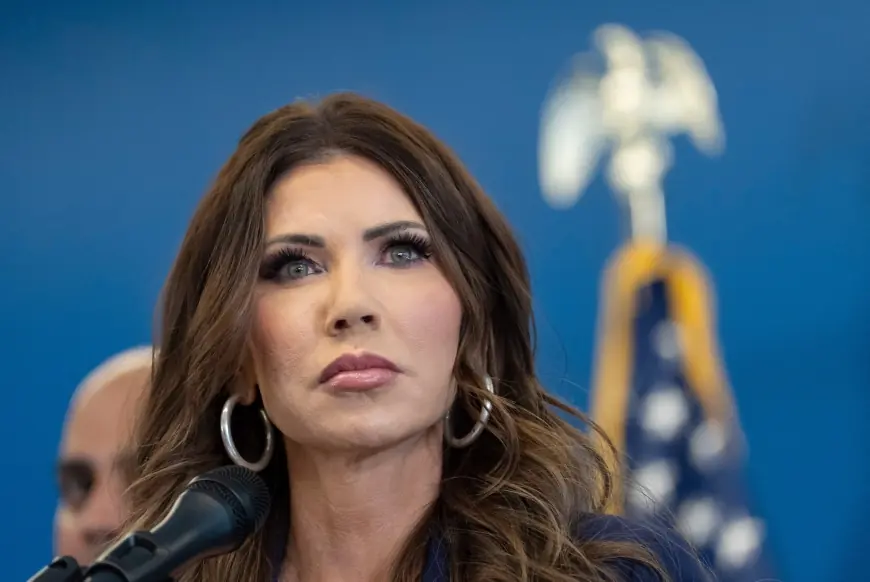
Homeland Security Secretary Kristi Noem is facing a new wave of political pressure after two fatal shootings in Minneapolis tied to federal immigration operations turned into a national flashpoint, while questions also mount around the influence of her top adviser, Corey Lewandowski. The White House has signaled Noem is staying in place for now, even as lawmakers push for hearings and some Republicans join calls for her to step aside.
The investigations and oversight fights are moving fast, but several core details remain unresolved. A full public timeline has not been released.
Minneapolis deaths become a defining test for Noem’s leadership
The latest pressure on Noem centers on the shooting deaths of Alex Pretti and Renee Good in Minneapolis during protests against deportation policy and related federal enforcement activity. Noem’s early public characterizations of events drew backlash after footage and on-the-ground accounts challenged the initial framing from federal officials.
In Congress, House Democratic leaders have demanded Noem be removed and have tied that demand to potential impeachment steps. Several lawmakers have described the moment as a turning point for how federal immigration enforcement is conducted and supervised, particularly in cities where local officials oppose participation in immigration policing.
President Donald Trump has publicly rejected calls for Noem’s resignation, responding “No” when asked if she would step down and reiterating his confidence in her work. Further specifics were not immediately available about what operational changes, if any, Noem will order at the department beyond the leadership reshuffle already underway.
Corey Lewandowski’s adviser status draws renewed scrutiny
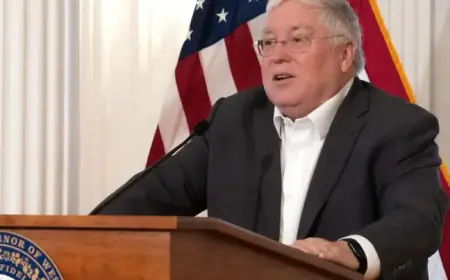
Corey Lewandowski, a longtime Trump political operative, has remained closely involved in Department of Homeland Security decision-making as a senior adviser to Noem. The department has described Lewandowski as an unpaid adviser who does not receive a federal salary or benefits, but his role has continued to draw attention because of how much influence he is seen as wielding day to day.
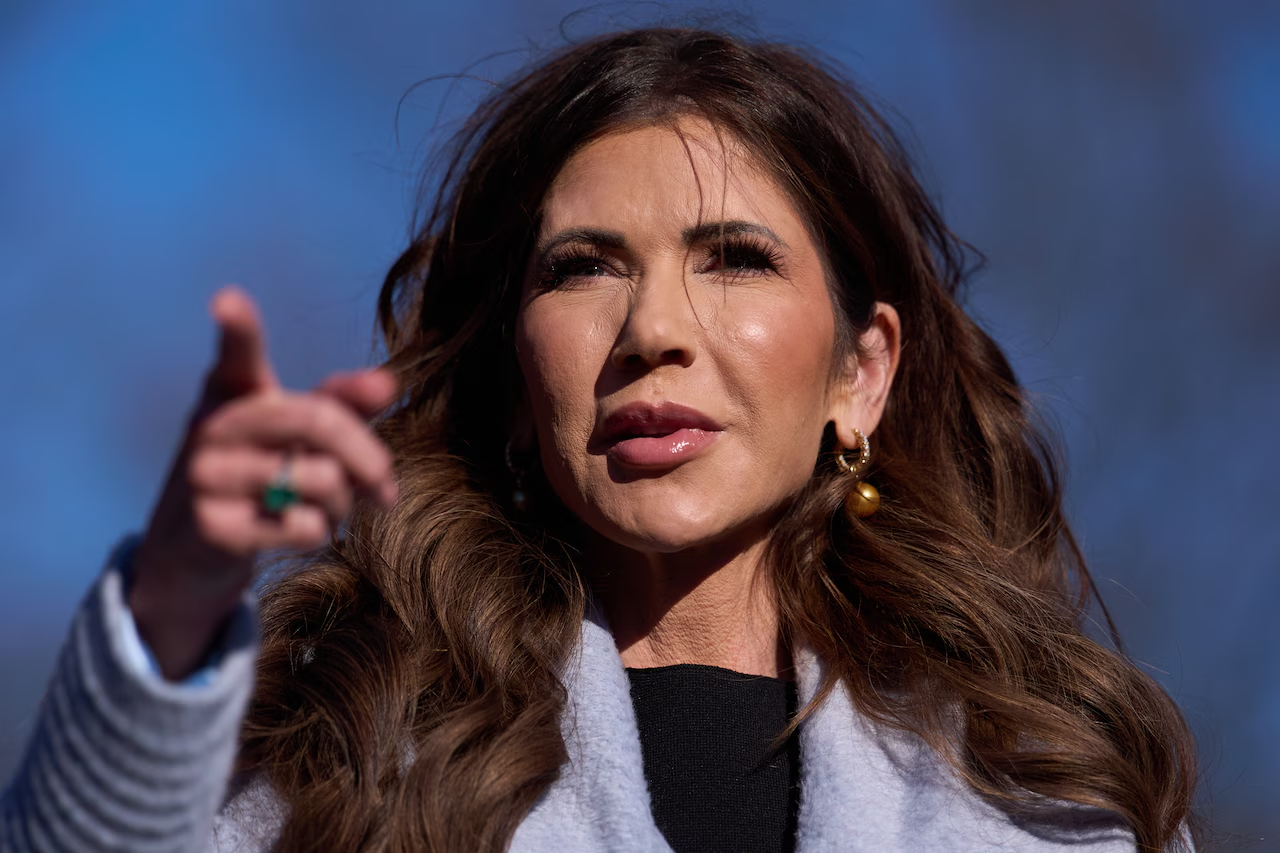
A central point of scrutiny is the structure of Lewandowski’s appointment as a special government employee, a category typically meant for limited, temporary service. The department has confirmed he was rehired for another term in 2026 under the same arrangement, even as critics argue the setup blurs lines around accountability, internal authority, and potential conflicts tied to contracting and vendor discussions.
Key terms have not been disclosed publicly about Lewandowski’s outside income and what, if anything, is available for the public to review regarding financial disclosures linked to his advisory work.
How enforcement decisions and accountability reviews usually work
Federal immigration enforcement is spread across multiple components, including immigration officers, border enforcement personnel, and investigative units, each with its own command structures and legal authorities. Operations are typically planned through a chain of command that can include headquarters guidance, regional leadership, and coordination with local partners, even when local governments refuse to assist.
When a major use-of-force incident occurs, multiple review tracks can run at once: internal administrative reviews, inspector general oversight, and criminal investigations where applicable. Separately, congressional oversight can force public accounting through document requests, subpoenas, and hearings, and appropriations negotiations can impose constraints on how money is spent and what policies agencies can implement. Those oversight steps often move slower than public outrage, which is why early narratives can collide with later factual findings.
Who feels the impact now, and what comes next
The fallout is landing on at least two distinct groups in immediate, practical ways. Immigrant families and mixed-status households in and around the Twin Cities are facing heightened fear and uncertainty, particularly when enforcement tactics are perceived as sweeping or unpredictable. At the same time, frontline personnel across the department are being pulled into a political storm that can affect morale, recruitment, and the clarity of rules they are expected to follow in the field.
Local leaders are also caught in the middle: city and state officials must manage protests, public safety, and community trust while navigating federal authority that can override local preferences. Meanwhile, contractors and vendors that do business with the department are watching the spotlight on procurement and influence, since heightened scrutiny can slow contracting decisions and trigger new compliance demands.
The next scheduled milestone is Noem’s testimony before the Senate Judiciary Committee on March 3, 2026, a hearing expected to focus on the Minneapolis operations, departmental oversight, and the administration’s broader immigration enforcement approach. House committee leaders are also pressing for additional hearings, setting up a sequence of public accountability moments that could determine whether Noem’s position stabilizes or further erodes.