
























Craig Berube leans on Leafs history as Darryl Sittler’s 10-point game hits its 50-year mark


Craig Berube’s Maple Leafs leaned into franchise history this week, turning a regular-season night in Toronto into a full-circle moment for players and fans who still measure greatness by iconic performances. The spotlight landed on Darryl Sittler and the Darryl Sittler 10 point game that remains unmatched, while alumni presence, including Tiger Williams, reinforced the standard Berube has been trying to set behind the bench.
A modern Leafs room meets an old benchmark
The Maple Leafs staged a pregame ceremony tied to the 50th anniversary of Sittler’s record night, bringing former teammates onto the ice and building the celebration into the flow of a current NHL game. It was a deliberate bit of scene-setting for a team still trying to turn regular-season talent into springtime results.
Berube, in his second season as Toronto’s head coach, has framed much of his tenure around accountability and identity, and nights like this do the messaging for him. The Leafs’ current core sees, in real time, what the organization chooses to honor and how loudly it wants the past to echo into the present.
Further specifics were not immediately available.
Darryl Sittler’s 10-point night, revisited without exaggeration
The record at the center of the event is simple, staggering, and still intact: on February 7, 1976, Sittler posted 10 points against Boston, finishing with six goals and four assists in an 11–4 win. No one has topped it, and the number has survived decades of offensive eras, equipment advances, and rule changes.
The anniversary ceremony didn’t just nod at the stat line; it treated the sequence as a story fans could relive. A tribute video ran through all 10 points, and Sittler was joined by former teammates from that night. He also wore his No. 27 jersey during the celebration, underscoring how tightly the performance is tied to his identity in Toronto.
Some specifics have not been publicly clarified.
Tiger Williams and the alumni effect on today’s team
A big reason the ceremony landed emotionally is that it wasn’t only about one player. Tiger Williams and Lanny McDonald participated directly, presenting Sittler with a commemorative golden stick, then watching him take part in the ceremonial puck drop before Toronto faced Buffalo.
That kind of alumni presence carries weight in a way a highlight clip alone can’t. It changes the temperature in the building and, importantly, in the locker room. Players see that the franchise expects more than points in January; it expects moments that last for generations, built on competitiveness, durability, and leadership.
The team also made the anniversary visible in smaller, fan-facing ways, including themed in-arena offerings and jersey patches tied to the 10-point milestone.
How these milestones get built, and why Berube cares
Big anniversaries in the NHL typically run through a familiar but carefully controlled process: the team coordinates with the honored player and family, invites teammates and key figures, produces a video package, and integrates commemorative touches that work both in-arena and on broadcast. The goal is twofold: honor the person and strengthen the brand story the organization wants to tell about itself.
The stakeholders are broader than the crowd in the seats. Fans get a shared reference point for what “legendary” actually means in this market. Current players get an internal reminder that their legacy is being written in front of them, not after they retire. Alumni and their families are pulled back into the community. Even arena staff and local businesses feel the impact when themed nights increase traffic and attention.
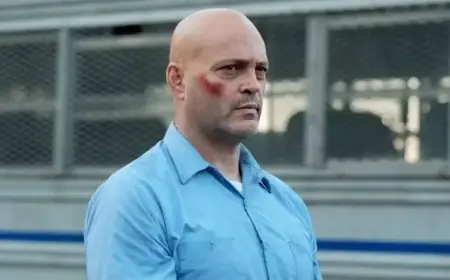
For Berube, the timing mattered. He recently showed up to work visibly banged up after a gym accident, but stayed on the bench and kept the tone light, a small personal example of the toughness he demands. In the days ahead, the next verifiable milestone for Toronto is simply the on-ice follow-through: whether the team’s effort level and consistency match the “standard” message that ceremonies like Sittler’s are designed to project.