

























Sam Altman Subtly Criticizes Mark Zuckerberg in Message to Employees

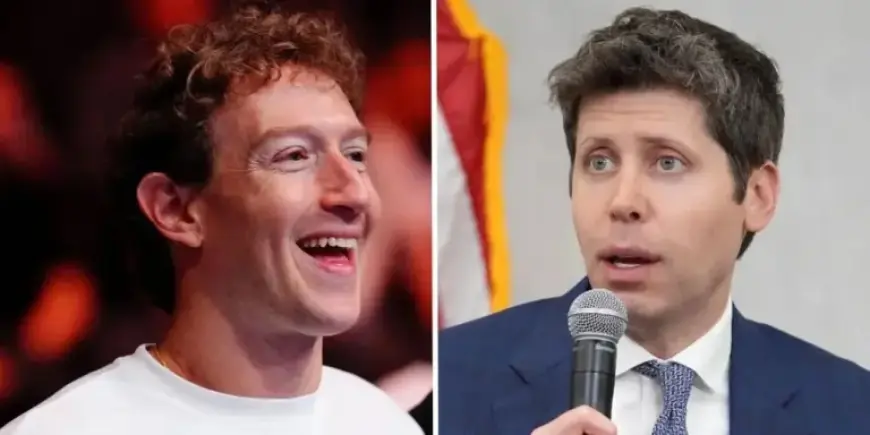
Sam Altman, CEO of OpenAI, recently sent a message to employees via Slack that subtly criticized Meta’s Mark Zuckerberg. As part of a discussion about organizational values, Altman emphasized that OpenAI aims to remain steady despite evolving trends. This statement echoes a heated exchange in the ongoing rivalry between the two tech leaders.
Altman’s Message to Employees
In his memo, Altman mentioned that OpenAI did not adopt any trends that were merely popular at the time. He specifically remarked, “We didn’t start talking about masculine corporate energy when that was popular.” This comment indirectly references Zuckerberg’s advocacy for a return to masculine energy in corporate culture.
Zuckerberg’s Corporate Vision
During his appearance on “The Joe Rogan Experience” last January, Zuckerberg expressed the belief that the corporate world should embrace more traditional masculine traits. He commented, “The masculine energy, I think, is good.” Although he acknowledged the need for inclusivity, Zuckerberg argued that the shift away from masculinity in corporate structures has gone too far.
- Zuckerberg’s comments highlighted his view that a focus on masculinity is beneficial for corporate culture.
- He noted that while inclusivity is essential, labeling masculinity as negative is detrimental.
The Ongoing Rivalry
Altman’s remarks come during a competitive phase between OpenAI and Meta, as both companies vie for top AI talent. Zuckerberg has been attempting to attract OpenAI employees with lucrative compensation packages, including signing bonuses that can reach up to $100 million.
So far, Altman has reported no significant losses among his best employees. However, Zuckerberg has successfully lured away notable figures from OpenAI, including ChatGPT co-creator Shengjia Zhao and several key researchers from the company’s Zurich office.
Conclusion
This latest exchange highlights the competitive tension in the artificial intelligence sector. As both leaders navigate their companies’ cultures and values, it will be interesting to see how their strategies will shape the future of AI development and corporate dynamics.