
























Activists Report Over 6,126 Killed in Iran’s Protest Crackdown

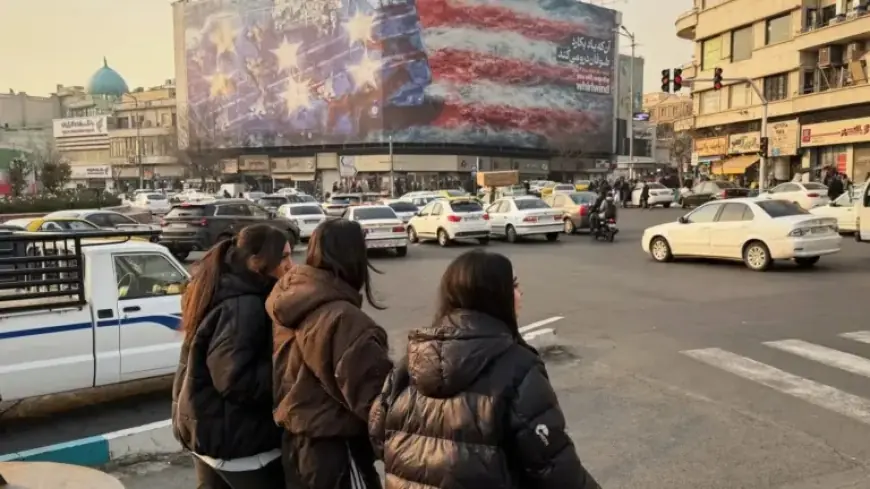
In a significant escalation of unrest in Iran, activists reported that at least 6,126 individuals have been killed during recent protests and subsequent crackdowns. The figure, released by the Human Rights Activists News Agency, highlights the devastating human impact of the government’s response to dissent. As concerns grow over casualties, the exact number of fatalities may be even higher, as many remain unreported due to government restrictions.
Overview of the Protest Crackdown
The protests in Iran, which began on December 28, were initially sparked by the collapse of the national currency, the rial. What started as economic discontent quickly spiraled into widespread demands for political reform. The Iranian government has responded with a violent crackdown, the severity of which is now becoming clear.
- Total Deaths: 6,126
- Protester Deaths: 5,777
- Government Forces Killed: 214
- Children Among the Dead: 86
- Other Civilians Killed: 49
- Arrests Made: Over 41,800
International Military Presence
Amidst the turmoil, a U.S. aircraft carrier group, led by the USS Abraham Lincoln, has arrived in the Middle East. This military deployment is intended to prepare for any potential U.S. response to escalating tensions in the region. Gulf Arab states have expressed a desire to avoid military confrontations, even while hosting American forces.
Iran’s Official Stance and Propaganda
While activists claim over 6,000 deaths, the Iranian government maintains a much lower toll of 3,117, categorizing the victims as either civilians or security personnel. In a move to shift blame, Iranian state media has accused foreign influences of inciting the protests, despite the country’s internal economic challenges exacerbated by international sanctions.
Militia Responses and Regional Dynamics
Militant groups aligned with Iran, including Hezbollah and Kataib Hezbollah, have indicated their readiness to respond to U.S. actions. The ongoing conflict has strained the so-called “Axis of Resistance,” a network of Iranian proxies throughout the region, which has faced challenges following recent military confrontations.
Hezbollah officials have refrained from declaring specific strategies in the event of conflict, emphasizing their commitment to defense while keeping their plans ambiguous.
Conclusion
The situation in Iran remains precarious as the humanitarian crisis deepens alongside the political strife. The significant loss of life reported during the protests highlights the urgent need for international attention and potential intervention. The next steps from both Iranian authorities and international powers will be pivotal in shaping the future of the region.