




















Iran Protest Death Toll May Exceed 30,000, Report Local Health Officials

Recent reports indicate that the death toll from protests in Iran could exceed 30,000, marking a dramatic escalation in casualties, according to officials from the Ministry of Health. This staggering number pertains to the violent events that occurred on January 8 and 9, days when Iranian security forces reportedly overwhelmed the state’s ability to manage the deceased. Body bags were quickly depleted, prompting the use of eighteen-wheel trucks for transporting bodies instead of ambulances.
Escalating Death Toll
This internal count of more than 30,000 deaths starkly contrasts with the official figure of 3,117 announced by regime hardliners close to Supreme Leader Ali Khamenei on January 21. The figure is also significantly higher than the latest numbers compiled by activists, who have confirmed at least 5,459 deaths and are investigating an additional 17,031 cases.
The Ministry of Health’s estimates align with a report from Dr. Amir Parasta, a German-Iranian eye surgeon, who indicated that the death toll, as of January 9, had reached 30,304. This total may not include protest-related deaths recorded at military hospitals, highlighting the likelihood that the actual figures are even higher.
Protests Across Iran
- According to Iran’s National Security Council, protests occurred in approximately 4,000 locations nationwide.
- Participants initially called for relief from a struggling economy but transitioned to demands for regime change.
- As protests intensified over the weekend of January 8, millions flooded the streets amid an internet blackout imposed by the government.
In the chaos, heavy machine gun fire from trucks and rooftop snipers became common. Eyewitness accounts recount a warning from an Islamic Revolutionary Guard Corps official stating that anyone on the streets risking fire would be responsible for their fate.
The Conflict’s Historical Context
The scale of the violence draws parallels to historical massacres. Experts liken this level of violence to infamous events, such as the Holocaust, where mass executions occurred. The rapid rise in fatalities over just 48 hours has garnered international concern and attention.
Medical Personnel’s Reports
Healthcare providers in Iran reported that by January 10, deaths among protesters could already be estimated at around 16,500, further corroborated by the staggering figures from the Ministry of Health.
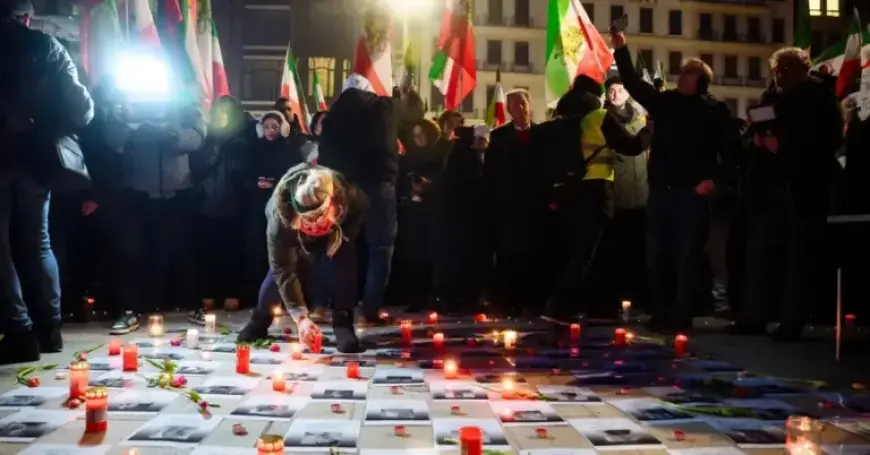
One poignant account highlights a young woman, Sahba Rashtian, who succumbed to her injuries after being shot during protests in Isfahan. At just 23 years old, Sahba became another tragic symbol of the regime’s brutality, celebrated by mourners as a martyr dedicated to the struggle for freedom.
Conclusion
The alarming statistics emerging from Iran underline the grave humanitarian crisis unfolding within the country. The facts suggest not just a series of protests but a national outcry against oppression, one that may result in a historical reckoning for the Iranian government. Each number represents a life lost, leaving a profound impact on families and communities across the nation.