Second EU Country Launches EES App Trials Before Summer Peak

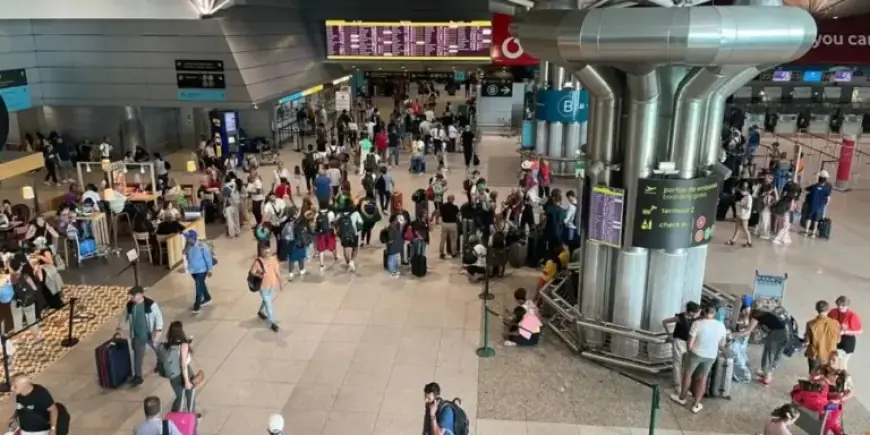
Portugal has become the second EU country to launch EES app trials ahead of the summer peak. The Travel To Europe app was developed by Frontex to help non-European visitors subject to the Entry/Exit System. Lisbon’s Humberto Delgado airport is the first location where the app is available.
How the app works
The app lets travellers pre-register key details before arrival. Users can choose an entry point and expected arrival time within 72 hours.
Travellers with biometric passports can download the app free from app stores. The system can generate a QR code for border officials to scan on arrival.
Data capture and features
Users may complete an entry questionnaire and submit personal information. The app can also capture passport data from the biometric chip and a facial image when applicable.
Multiple co-travellers can be added to a single submission. Pre-registration data can be used at self-service kiosks where they exist.
Operational limits and user rules
Use of the app is optional and does not replace standard border checks. Portuguese authorities say the tool speeds processing for travellers and border staff.
Once registered on the EES database, travellers need not reapply until their passport expires or they have not entered the EU for three years. Different entry points may apply varying limits on app functionality.
Why Portugal moved quickly
Portugal expects millions of tourists during the summer peak. Authorities cited concerns that EES-related processing could create long queues at airports.
Collection of biometric data under EES was temporarily suspended after long waits at several international airports. Lisbon recorded queues that at times reached seven hours.
All EU border points are expected to be fully EES-compliant by April 10, with a grace period permitting temporary suspension of controls during severe congestion.
Rollout elsewhere and France update
Sweden was the first country to trial the app and permitted passport scans and selfie uploads from the start. Portugal’s initial rollout limited some features compared with Sweden.
Italy, Greece and the Netherlands have expressed interest in the tool. France previously signalled interest and was slated for trials at major entry points in 2026, according to Frontex statements from 2025.
As of March, French authorities had not provided further details on those plans.
Reporting for Filmogaz.com.