






















Iran Threatens Retaliation as U.S. Warships Approach

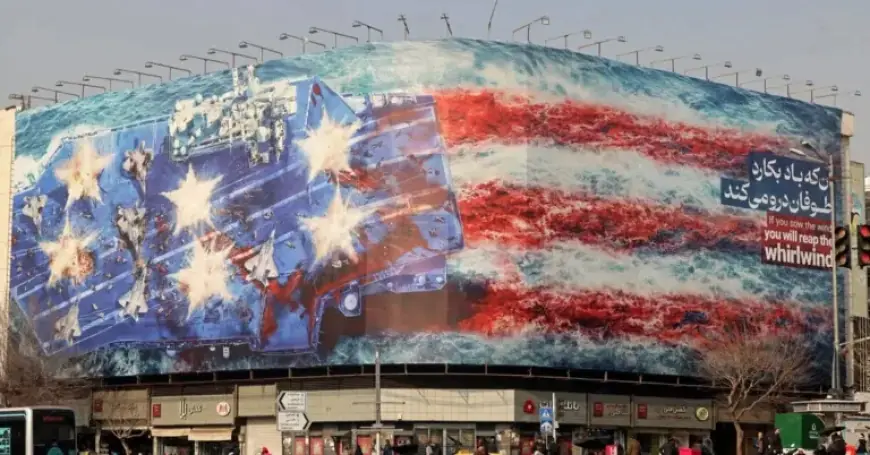
As U.S. warships approach the Persian Gulf, Iran issues stern warnings of retaliation. This escalation follows President Trump’s announcement of deploying a significant naval force in response to heightened tensions in the region.
Iran’s Retaliatory Threats and Military Preparedness
Iranian officials have ramped up threatening rhetoric amid fears of a possible U.S. military strike. Tehran’s defense ministry spokesperson, Reza Talaei-Nik, stated that any U.S. or allied attack would lead to a more impactful response than previous confrontations.
- The aircraft carrier Abraham Lincoln and three warships, armed with Tomahawk missiles, are now within range.
- The U.S. recently deployed a dozen F-15E attack aircraft to strengthen regional military presence.
Historical Context of U.S.-Iran Tensions
These tensions echo back to last June when U.S. and Israeli forces engaged Iran in a brief conflict. Despite this, retaliation from Iran was minimal, showcasing the complexities of military engagements in the region.
President Trump has maintained a tough stance, warning that the U.S. could act if Iranian authorities execute arrested protesters. This sentiment followed widespread demonstrations in late December, which left thousands reportedly dead after a government crackdown.
Regional Implications of U.S. Military Movements
U.S. actions have instigated fears among Middle Eastern leaders regarding the potential for a broader conflict. Some leaders received urgent alerts suggesting the U.S. may strike, invoking concerns of reciprocal attacks on U.S. assets in the region.
Responses from Pro-Iranian Groups
Iran’s regional allies, including Hezbollah and other Shiite militias, have called for military readiness in case of conflict. Naim Qassim, a senior leader of Hezbollah, emphasized the group’s support for Iran amidst growing tensions.
- Kataib Hezbollah in Iraq has urged fighters to prepare for potential war, suggesting aggressive tactics if hostilities arise.
- U.S. officials have warned Iraq’s militias of serious repercussions if they engage U.S. forces.
UAE’s Position and Strategic Considerations
The United Arab Emirates reiterated its stance against utilizing its territory or airspace for military operations directed at Iran. This reflects a cautious approach amid the volatile circumstances.
Experts warn that military action against Iran could yield unpredictable results. Former Navy commander Kevin Donegan highlighted Iran’s capabilities to retaliate with missiles and drones, indicating that any U.S. strategy may prioritize defense over aggressive engagement.
Conclusion
The stakes are high as U.S. naval forces are deployed near Iran. The potential for conflict remains, and both sides are prepared for a range of outcomes as tensions escalate in this critical region.