




















Guy Fieri’s “New Look” Explained: Why the Spiky Hair and Goatee Disappeared Ahead of Super Bowl LX

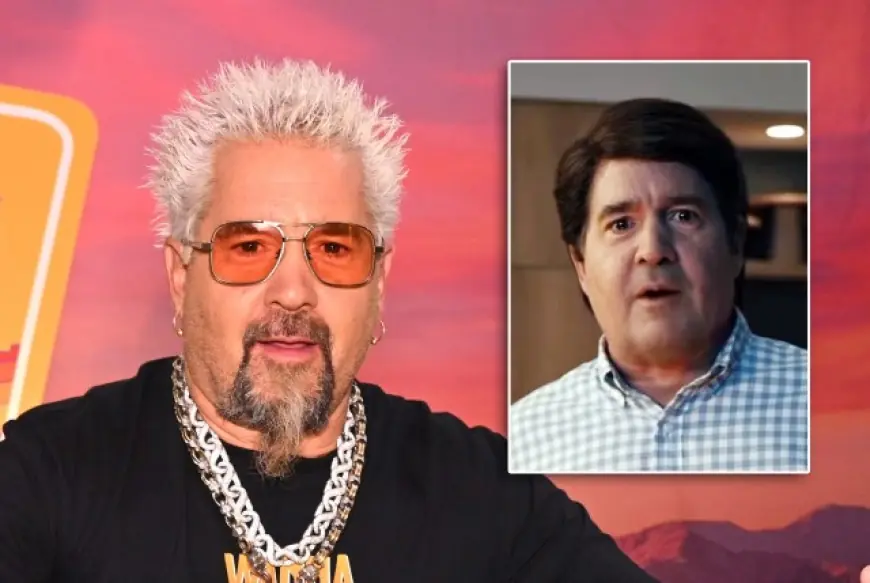
Guy Fieri’s signature look—bleached spikes, goatee, loud prints—has been part of his brand for so long that it functions like a logo. That’s why fans did a double-take this week when he surfaced with a clean-shaven face, neatly parted brown hair, and a toned-down “regular guy” wardrobe. The makeover wasn’t a midlife reinvention or a permanent style pivot. It was a deliberate, temporary transformation built for a high-profile Super Bowl LX commercial airing Sunday, February 8, 2026 (ET).
What happened: the makeover that made him “just a guy”
Fieri teased the change around his 58th birthday on January 23, 2026 (ET), posting a video that leaned into the joke of becoming an average-looking suburban dad: khakis, button-down, and a conservative haircut that made him nearly unrecognizable. The reaction was instant because the contrast was the point—removing the visual cues that scream “Guy Fieri” to see if the public still recognizes the person underneath the persona.
In follow-up interviews released January 26, 2026 (ET), Fieri clarified the “new look” was for a Super Bowl commercial campaign for a home-appliance brand, where he plays an everyman character often described as “Just a Guy.” The transformation involved shaving off his goatee and wearing a wig, with additional production polish typical for major ad shoots.
What’s new and why now: a Super Bowl swing at self-parody
The Super Bowl is one of the few moments when a celebrity can “break character” at maximum scale and get rewarded for it. Fieri’s entire TV identity is built on heightened enthusiasm and a look that reads as loud, fun, and unmistakable. Going in the opposite direction for the biggest advertising stage of the year is a calculated gamble: it signals he can laugh at himself, stretch as a performer, and still pull attention without relying on the uniform.
It’s also a smart timing play. A teaser in late January gives the makeover time to circulate as a standalone story, then the commercial arrives as the payoff on February 8. That two-step rollout turns a 30-second ad into a two-week conversation.
Behind the headline: the business logic of changing a “logo” face
Fieri’s image isn’t just personal style—it’s intellectual property. Hair, goatee, and wardrobe are brand assets that help him sell a vibe: approachable, rowdy, indulgent Americana. So why mess with it?
Incentives at play
-
Attention economics: A drastic visual change travels faster than a normal promo. Even people who don’t follow food TV instantly understand “that doesn’t look like him.”
-
Brand positioning: Playing a plain “just-a-guy” character lets the advertiser claim “relatable,” while Fieri supplies star power.
-
Career leverage: The more he proves he can step outside his usual caricature, the more valuable he becomes for future campaigns and projects.
Stakeholders
-
Advertisers and production teams: They want the “wait, is that really him?” moment that keeps viewers watching the ad instead of reaching for snacks.
-
Fans: Some love the joke; some feel protective of the classic look because it’s tied to nostalgia and comfort viewing.
-
Fieri’s wider brand: If the gag lands, it expands his range. If it flops, it risks cheapening the very identity that made him famous.
This is why Fieri reportedly felt some nerves about the reaction—because the internet doesn’t critique gently, and a makeover invites instant memes.
What we still don’t know: how “real” the makeover is on screen
A few details remain inherently fuzzy until the full commercial airs:
-
How much is practical makeup and wardrobe versus visual effects cleanup
-
How long the “new look” appears in the final cut
-
Whether the joke is “he’s undercover” or “he’s lost his spark”
-
How audiences respond once they see the full context instead of a teaser clip
There was also early online speculation that the makeover was created using artificial-intelligence filters. Fieri has pushed back on that narrative, framing the production as a traditional, high-end shoot with standard effects work rather than an AI gimmick.
What happens next: the realistic outcomes after February 8 (ET)
-
The commercial becomes the punchline everyone repeats if the reveal is strong and the concept is clear within a few seconds.
-
The makeover becomes a short-lived meme that peaks before kickoff and fades right after the game.
-
Brands line up for “self-parody Guy” if the spot proves he can carry humor outside his usual Food TV lane.
-
Fieri snaps back to the classic look immediately—the most likely path—because the trademark image is still the main engine of his everyday brand.
Guy Fieri’s “new look” is less about changing who he is and more about proving he can temporarily take the costume off—then use that contrast to make the costume feel even more iconic when it returns.