






















Mark Ruffalo’s January 2026 Flashpoint: Wealth-Tax Pressure at Davos, Viral “Fired” Claims, and a Big Thriller Landing Soon

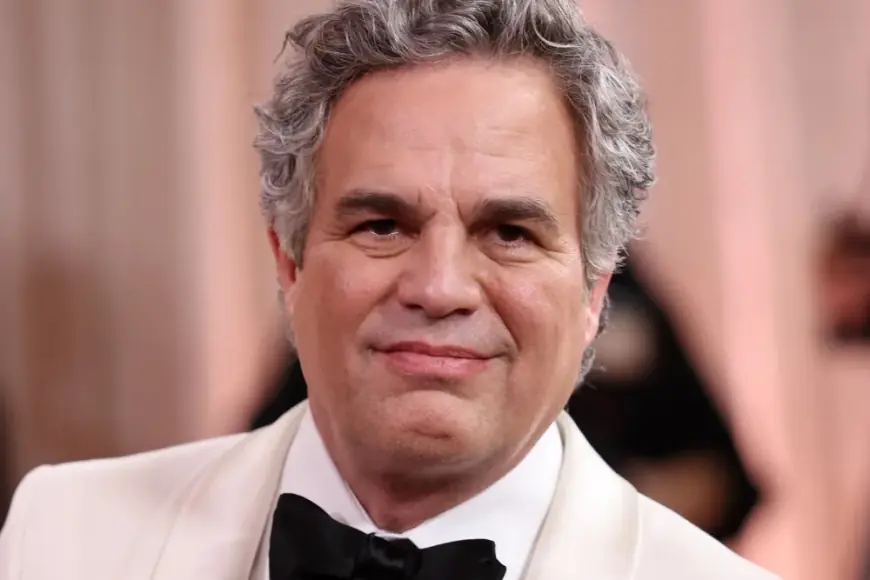
Mark Ruffalo is once again occupying the overlap between entertainment and politics, with a fresh wave of attention on Monday, January 26, 2026 (ET) driven by two forces that rarely stay separate for long: celebrity activism and the online rumor economy. Add an imminent wide-release studio thriller, and Ruffalo’s name is cycling through headlines for reasons that have little to do with any single performance.
What happened
In the past day, Ruffalo has been widely discussed as a public supporter of a renewed push aimed at leaders gathering in Davos: raise taxes on the ultra-wealthy. The campaign message is blunt by design—tax the super-rich—and it’s being carried not only by advocacy groups but also by high-profile signatories meant to widen the megaphone beyond policy circles.
At the same time, a separate narrative has surged across social media: claims that Ruffalo has been “fired” or quietly removed from major franchise work after a political speech earlier this month. Those claims have been amplified through reposts, reaction videos, and screenshots, with no comparable surge of official confirmation.
What’s new and why now
The timing is the story.
-
Davos concentrates attention. When global political and business leaders gather, inequality messaging gets a natural spotlight—and campaigners know it’s one of the few moments when “tax policy” can compete with celebrity news in the same feed.
-
A simple slogan travels faster than nuance. “Tax the super-rich” is easy to repeat, easy to argue with, and easy to clip into a debate.
-
The rumor economy feeds on conflict. When an actor takes a strong stance, engagement-driven accounts often manufacture a consequence narrative (“he got fired”) because it’s emotionally satisfying to both sides: critics celebrate it, supporters rally against it.
So the “why now” isn’t a mystery—this is a predictable pattern in 2026: real advocacy generates attention, and attention attracts fabricated add-ons.
Behind the headline: incentives, stakeholders, and the real risk
Ruffalo’s public incentives have been consistent for years: use visibility to push priorities like inequality, climate, and social justice. The bigger shift is the surrounding ecosystem.
Incentives at work
-
Advocacy organizers want recognizable names to pressure leaders and keep the issue in the mainstream conversation.
-
Platforms reward certainty and outrage, not careful sourcing—so rumors often outrun reality.
-
Studios tend to avoid commenting on viral claims, because denial can amplify the rumor and invite a new cycle.
Stakeholders
-
Policy campaigners, who benefit from attention but risk having their message drowned out by celebrity controversy.
-
Ruffalo’s collaborators and upcoming releases, which can get pulled into unrelated online battles.
-
Fans and critics, who increasingly treat celebrity political speech as a proxy for identity and tribal alignment.
The real risk for Ruffalo isn’t a single fabricated claim; it’s narrative substitution. If the public conversation becomes “did he get punished?” instead of “what is he arguing for?” then the discourse shifts from substance to spectacle—exactly where misinformation thrives.
What we still don’t know
A few key points remain unclear, and it’s important to separate what’s verified from what’s asserted:
-
There is no clear, official, on-the-record confirmation that Ruffalo has been terminated from major franchise work due to political remarks. The viral posts rely heavily on recycled clips, vague “insider” language, and screenshots without attributable documentation.
-
We don’t yet know what policy follow-through looks like from Davos-era messaging. Public letters and campaigns can spark headlines without producing near-term legislative change.
-
We don’t know whether the next phase becomes more specific—for example, naming concrete tax mechanisms, timelines, or target jurisdictions—because specificity can both strengthen credibility and widen opposition.
For now, the activism push is real; the claimed professional punishment remains unproven in public evidence.
The movie angle: “Crime 101” is the near-term reset button
Ruffalo also has a major commercial pivot point approaching: the crime thriller “Crime 101” is scheduled for Friday, February 13, 2026 (ET). In the film, he plays a detective convinced he’s recognized a pattern behind a string of jewel heists—an obsessive, tightening-net role that typically generates press moments even without awards chatter.
This matters because a high-profile release can reframe the conversation quickly. Press tours, trailers, interviews, and reviews tend to drown out rumor cycles—unless the rumor directly threatens the release’s marketing narrative.
What happens next
Here are realistic next steps to watch over the next two to three weeks (ET):
-
The wealth-tax campaign escalates visibility as Davos coverage peaks, with more famous signatories or sharper language.
-
Rumors fade—or mutate into a new claim if engagement accounts find a fresh angle.
-
A brief, controlled denial appears only if a partner, studio, or representative decides the misinformation is materially harmful.
-
“Crime 101” promotion shifts the headline balance back toward entertainment, especially in the week of February 6–13, 2026 (ET).
-
The activism conversation gets more granular if campaigners move from slogans to policy specifics, forcing a more serious debate than culture-war framing.
Why it matters
Mark Ruffalo’s moment is a case study in how public influence works now: activism can be genuine and still be weaponized by misinformation, and entertainment visibility can amplify civic messages while simultaneously attracting “consequence fan fiction.” The next chapter hinges on which force proves louder—policy pressure that sticks, or viral narratives that burn hot and disappear.