

























Australia Day 2026: What It Is, When It Happens, and Why “Invasion Day” Protests Are Growing Louder

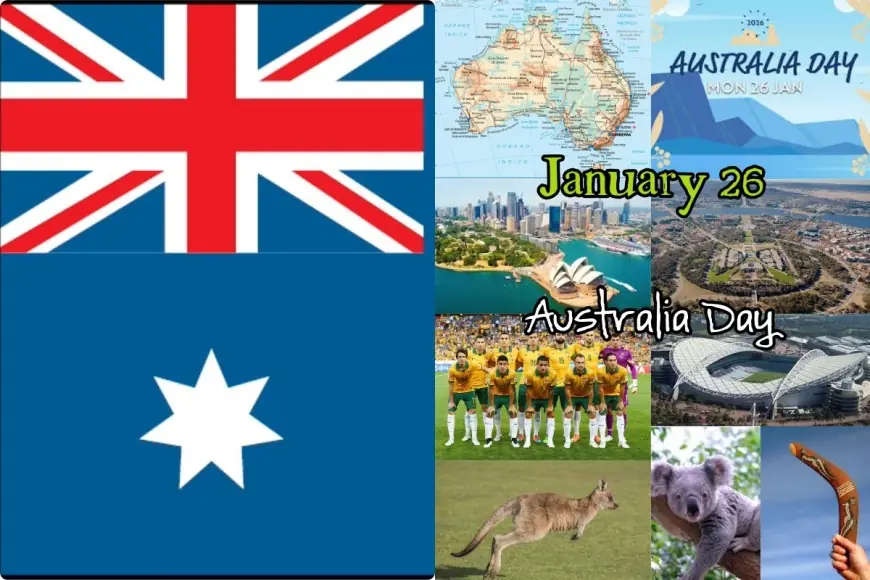
Australia Day is observed on January 26 each year, marking the anniversary of the 1788 arrival of the First Fleet at Sydney Cove. In 2026, that date falls on Monday, January 26—a day that blends celebration and conflict: citizenship ceremonies, barbecues, concerts, and (in many places) major public events, alongside rallies that reject the date as a symbol of invasion and dispossession.
What is Australia Day, and when is Australia Day in 2026?
Australia Day is January 26. It’s the national day for many Australians, often centered on community events and recognition—especially Australian citizenship ceremonies and awards that highlight service and achievement.
Because Australia is well ahead of USA Eastern Time (ET), events taking place on January 26 in Sydney or Melbourne generally land on late January 25 ET or early January 26 ET, depending on the specific city and timing.
Australia Day fireworks in Sydney: why the focus stays on the harbor
Search interest spikes every year around “Australia Day fireworks Sydney” because Sydney’s waterfront has become the country’s most recognizable stage for big public spectacle—crowds gathering along the harbor, transport surges, and highly visible security planning.
What’s important behind the scenes isn’t just the show; it’s the logistics: policing, crowd control, emergency response, public transport load, and the reputational stakes for organizers and governments. Even small disruptions can become national headlines because Sydney is the visual shorthand many people associate with “Australia Day.”
Invasion Day: why the protests are about more than one date
For many Aboriginal and Torres Strait Islander people and supporters, January 26 is framed as “Invasion Day”—a day of mourning and protest rather than celebration. The argument isn’t only historical; it’s present-day: recognition, justice, deaths in custody, land rights, cultural respect, and the pace (or lack) of structural change.
“Invasion Day rally Melbourne” and “Invasion Day protest Sydney” searches reflect a pattern that has intensified over recent years: larger crowds, more organized coalitions, and a clearer split between people who want to keep the date and those who want it changed.
March for Australia and Australia Day marches: two narratives competing in public
Alongside “Invasion Day” rallies, there are often pro-Australia Day marches or gatherings that argue the national day should remain on January 26. These events typically frame their message around tradition, national pride, and opposition to what they see as culture-war politics.
The practical effect is a predictable, annual public contest:
-
One side emphasizes unity through shared symbols and continuity.
-
The other side emphasizes unity through truth-telling, recognition, and a different date.
That tug-of-war is why public agencies treat the period as a high-planning window: it’s not only a celebration day; it’s a day with elevated protest activity and heightened sensitivity.
What’s behind the headline: incentives, stakeholders, and what’s missing
Incentives
-
Governments want a calm national day that doesn’t fracture social cohesion or trigger disorder.
-
Activists and community leaders want visibility, pressure, and a clear demand that carries beyond one news cycle.
-
Businesses and event partners want foot traffic and positive brand association—without becoming a target for boycotts or backlash.
Stakeholders
-
First Nations communities (and their allies) pushing for change and recognition.
-
Local councils deciding how to brand events and whether to use “Australia Day” language explicitly.
-
Police and transport authorities managing risk and movement.
-
Residents and small businesses in CBD corridors where marches concentrate.
What’s missing
Every year, the same unresolved questions reappear:
-
What concrete pathway exists to change the date, and who has the authority to drive it?
-
How will institutions measure “unity” versus “truth-telling” without treating one as a public-relations exercise?
-
What does meaningful consultation look like beyond annual speeches and symbolic gestures?
Second-order effects: what to watch after January 26
The day’s tensions ripple out in ways that matter:
-
Civic policy: councils may adjust language, funding, or event formats to reduce conflict.
-
Workplace culture: employers face questions about acknowledgement, inclusivity, and whether celebrations alienate staff.
-
Political positioning: parties and leaders test messages that energize their base—sometimes at the cost of wider trust.
-
Social cohesion: repeated annual clashes can harden identities, making compromise harder each year.
What happens next: realistic scenarios and triggers
-
Bigger, more coordinated rallies in 2026 and beyond if turnout is strong and messaging stays unified.
-
Tighter security footprints if authorities anticipate friction between opposing gatherings.
-
More “dual framing” events (celebration plus acknowledgement) as organizers try to reduce conflict while keeping tradition.
-
Renewed national debate about changing the date if prominent institutions shift language or ceremonies away from January 26 branding.
-
Backlash cycles—boycotts, counter-campaigns, and intensified online polarization—if a flashpoint incident occurs at a rally or march.
Australia Day 2026 isn’t just a calendar event. It’s a yearly pressure test of identity, history, and what shared national symbols can realistically mean in a country still negotiating the consequences of its founding.