





















Oliver Glasner under fresh spotlight after Chelsea loss, refereeing flashpoints, and his confirmed Crystal Palace exit

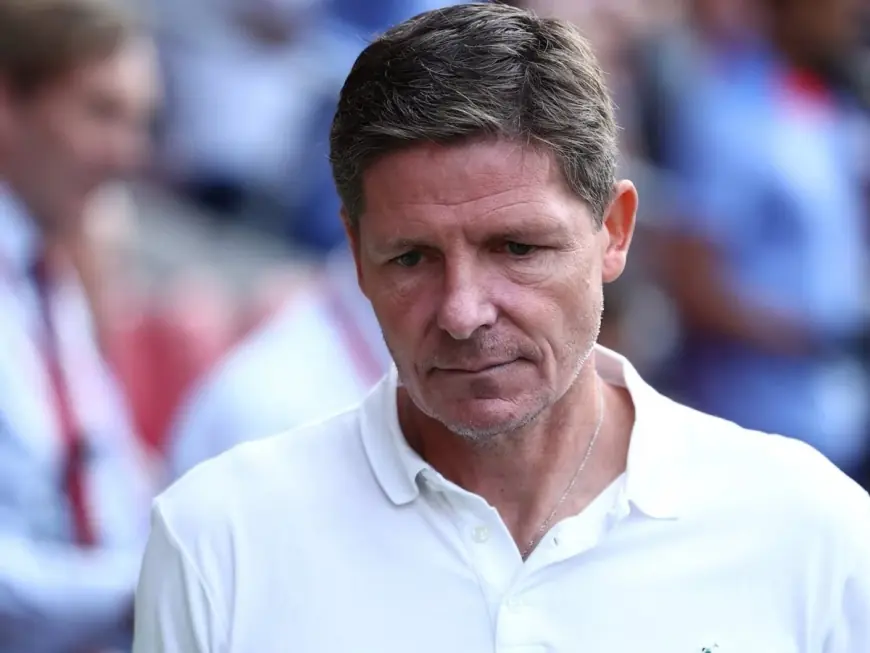
Oliver Glasner’s already volatile final months at Crystal Palace took another sharp turn on Sunday, Jan 25, 2026 (ET), when his side fell 3–1 to Chelsea and extended their winless run to 11 matches in all competitions. The result mattered on its own; the aftermath mattered more. Glasner pointed to multiple officiating moments that he believed went against Palace, yet he also tried to steer the conversation back to what he called the team’s real issues: costly mistakes, shaky nerves, and a lack of ruthlessness in front of goal.
All of this is playing out with a major twist hanging over the club: Glasner has confirmed he will leave when his contract expires at the end of the season, even as he insists he remains fully committed to finishing the job.
What happened against Chelsea — and why the refereeing debate won’t go away
Palace’s performance followed a familiar pattern for struggling teams: periods of decent play undone by errors and momentum swings. A defensive mistake helped open the door for Chelsea’s first goal, and a second-half sequence — including a penalty decision and a red card for Adam Wharton — effectively put the game out of reach.
Glasner’s main complaints centered on:
-
A challenge he viewed as a clear stamp that should have led to a sending off
-
The penalty award, which he argued should not have been given based on how handball guidance has been explained to clubs
-
A perceived imbalance in how quickly yellow cards were shown to his players compared with Chelsea’s fouls
Yet he also stressed that blaming officials is a dead end: it won’t fix Palace’s finishing, it won’t remove the defensive errors, and it won’t change the psychology of a squad that has begun to look brittle when things go wrong.
Oliver Glasner and the “committed until the end” message
In late January 2026 (ET), Glasner publicly emphasized that he is staying focused through the end of the campaign after direct talks with chairman Steve Parish, describing the relationship as cleared up after a tense stretch of headlines. The nuance is important: “committed until the end” is not the same as “staying long-term.”
With his exit already declared, every poor result now gets filtered through the same question: are Palace drifting into a lame-duck period, or can they turn clarity into momentum?
This is the key tension. Clarity can calm a club down — but it can also speed up the countdown if results keep sliding.
Behind the headline: why the tension is peaking now
Three forces are colliding at once:
1) Squad disruption at the worst possible time
Selling a captain-level defender midseason is a destabilizer even for strong teams. For a side low on confidence, it can feel like a signal that survival and stability are being traded for long-term planning.
2) Transfer-window uncertainty spreads doubt
When core players are linked with moves — especially a striker who carries much of the goal burden — the message that “everyone is locked in” gets harder to enforce inside a dressing room.
3) Glasner’s style needs belief to work
His approach is demanding: coordinated pressing, brave positioning, and fast transitions. When belief drops, the same system can suddenly produce exactly what Palace are currently suffering from — soft giveaways, rushed decisions, and games that flip on one bad moment.
Stakeholders have different incentives now. The board wants safety and asset value protected. Players want clarity on roles and futures. Fans want a fight. Glasner wants to preserve his reputation and finish with a narrative of resilience rather than collapse.
What we still don’t know
-
Whether Palace’s hierarchy is willing to tolerate a prolonged winless run if the relegation margin tightens
-
How much incoming transfer business Palace can realistically do before the window closes
-
Whether dressing-room buy-in strengthens after the “exit clarity,” or weakens because the long-term future is elsewhere
-
Who Palace’s short list is for the next coach — and whether that planning distracts from the present
What happens next: realistic scenarios and triggers
-
Stabilization without sparkle
Trigger: Palace start turning good spells into points, even if performances remain uneven. -
Board steps in early
Trigger: The gap to the bottom three shrinks quickly, making “wait until summer” feel too risky. -
Short-term uplift from transfer decisions
Trigger: Palace either keep key attackers or replace them convincingly, reducing anxiety and restoring structure. -
Further public flashpoints
Trigger: Another emotional post-match moment — especially around officiating, recruitment, or support — reignites the internal pressure. -
Glasner auditions for his next role
Trigger: Strong performances against better teams reshape the conversation from “crisis manager” to “system coach who needs the right setup.”
Why it matters is simple: Palace’s season is no longer only about results. It’s about managing an ending — and deciding whether that ending becomes a controlled landing or a turbulent one.