
























Judge Evaluates Legality of Trump’s Immigration Crackdown in Minneapolis

In recent events, a judge has addressed the legality of former President Donald Trump’s immigration policies, particularly concerning their execution in urban areas like Minneapolis. This discussion follows a series of controversial federal operations and escalating tensions between immigration agencies and local law enforcement.
Background on the Immigration Crackdown
Former immigration officer Oscar Hagelsieb shared his deep concerns regarding the methods being employed under Trump’s administration. After 25 years of service, he retired from the Department of Homeland Security in 2023. His criticisms stem from the aggressive tactics used by U.S. Border Patrol and Immigration and Customs Enforcement (ICE).
Concerns Raised by Officials
- Over 20 current and former immigration officials have expressed anxiety over current operations.
- Agents face long hours, strict arrest quotas, and public backlash affecting morale.
- Many worry about the long-term repercussions on public perception and recruitment.
Aggressive Tactics Under Scrutiny
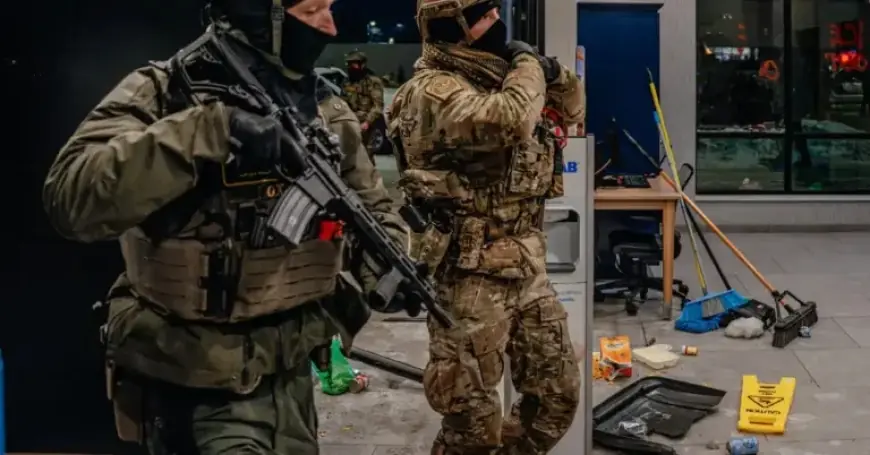
Gregory Bovino, in charge of Border Patrol operations, has been criticized for his reference to “turn and burn,” which signifies aggressive operational approaches. This includes instances of property damage during arrests and confrontations with protesters.
Public Reaction and Fatal Incidents
The recent fatal shootings of U.S. citizens, including Alex Pretti, have intensified scrutiny on federal immigration enforcement. These events have marked a turning point in community relations, leading to increased resentment towards agencies involved.
Implications for Immigration Policy
As operational strategies evolve, many officials believe that aggressive policies may be counterproductive. Previous methods focused on targeted operations have shifted towards broader, indiscriminate sweeps, raising concerns about potential racial profiling.
Deborah Fleischaker, a former policy director at ICE, highlighted a noticeable lack of careful planning in current enforcement tactics, which have jeopardized both community safety and agent effectiveness. These strategies seem inconsistent with the training that agents like Hagelsieb received and implemented in the past.
Shift in Public Opinion
The public’s view of ICE has significantly declined. Recent polling shows that only 36% of voters approve of ICE’s methods, while 63% disapprove. This shift reflects growing unrest regarding federal operations in urban settings like Minneapolis.
Future of Immigration Enforcement
The potential fallout from these actions has ignited discussions among lawmakers about the future of immigration funding. Senate Democrats have hinted at potential government shutdowns linked to the Homeland Security Department’s budget in response to ongoing controversies.
As this situation unfolds, the implications of Trump’s immigration crackdown will remain at the forefront of national debate, particularly as urban environments continue to grapple with federal law enforcement’s presence and tactics.