

























Inside High-Speed Train Driving: Quick Actions at 186 mph

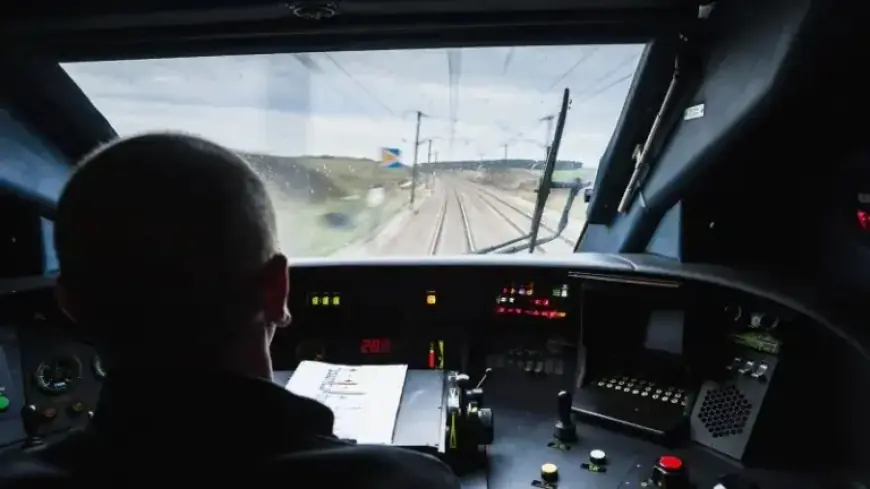
High-speed trains have transformed rail travel, allowing speeds of up to 186 mph. At this velocity, the landscape blurs, with a mile disappearing every 20 seconds. However, while these trains are remarkably efficient, they also demand a high level of safety awareness from operators.
Understanding High-Speed Train Operations
Operating a high-speed train involves handling incredible speeds while ensuring the safety of passengers and the vehicle. Paul Cooper, a seasoned train driver and instructor with over 13 years of experience, highlights the complexities of driving on high-speed lines. “Driving on high-speed lines is just a different kind of driving,” he explains. The reaction times needed are critical, as high-speed systems are less forgiving than conventional rail systems.
Safety Statistics
Despite occasional accidents, high-speed rail remains one of the safest transport modes globally. In fact, rail travel has significantly fewer major incidents compared to road travel. Key statistics include:
- Over 10 billion passengers have used Japan’s Shinkansen since its inception in 1964.
- France’s TGV commenced services in 1981, revolutionizing travel between major cities.
- High-speed lines can transport over 20,000 passengers per hour in each direction.
- As of 2022, operational high-speed lines grew by 40%, reaching 36,580 miles.
High-Speed Train Engineering
Typical high-speed trains weigh around 500 tons and possess approximately 11,000 horsepower. Each unit can cost up to $40 million, with additional maintenance costs over its lifespan. Modern trains also feature multiple safety systems. For example, some incorporate regenerative braking, which converts kinetic energy back into electricity.
The Importance of Maintenance and Safety Protocols
Safety protocols are essential for maintaining high-speed trains. The European Rail Traffic Management System provides real-time information to operators about speed limits and line conditions. This technology aids in preventing accidents and ensures efficiency.
Recent Incidents and Lessons Learned
While rare, accidents do occur. The recent crash in Spain, which tragically resulted in 43 fatalities, serves as a reminder of the challenges faced by the industry. Investigators are examining possible causes, including potential rail issues.
Future of High-Speed Rail
High-speed rail networks are expanding rapidly, with Spain hosting Europe’s longest network at 2,469 miles. The goal is to triple high-speed rail usage by 2050, pushing for sustained growth and development.
As high-speed trains continue to enhance efficiency and connectivity across regions, they remain a critical mode of transport for millions, proving to be a reliable and safe alternative to air travel for mid-distance journeys.