

























Gary Anderson Evaluates 2026 McLaren F1 Car Performance

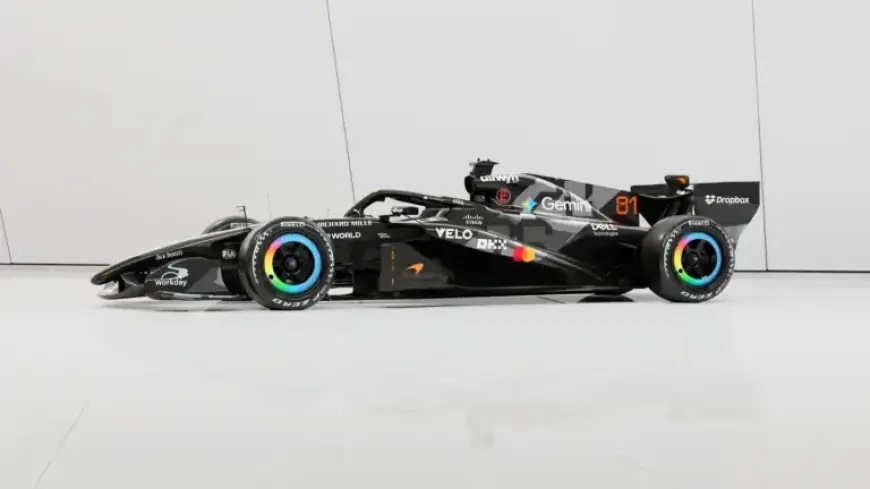
Gary Anderson recently assessed the performance capabilities of the McLaren F1 car for the 2026 season. As one of the leading contenders, McLaren had an impressive previous year, showcasing a dominant chassis. The team’s early decision to halt development on their 2025 model aimed to focus on this new design.
2026 McLaren F1 Car Overview
This week, McLaren unveiled initial renders of their 2026 car, sparking anticipation among fans and competitors. These digital images provide a glimpse into the new aerodynamic and structural innovations that the team has implemented. However, tangible performance data will only emerge once the car hits the track in Barcelona for its pre-season testing.
Aerodynamic Advancements
The front end of the vehicle features a sophisticated front wing design. Unlike many competitors, McLaren has opted for a more three-dimensional front wing endplate. The inclusion of a high-placed front brake duct inlet allows better airflow around the front tire.
- Front Wing: Retains a substantial footplate without upper fins.
- Front Brake Duct: Positioned to enhance airflow, optimizing tire cooling.
Last season, McLaren gained attention for their brake cooling strategy, which will likely be a topic of discussion among rival teams. The aerodynamics of the sidepod also remain high, positioning them well within the current regulations.
Suspension System
The car features a pushrod suspension system. This decision, explained by McLaren’s chief designer Rob Marshall, aims to better manage airflow from the front wing. The suspension is designed to improve handling and control, though there may be challenges with front brake locking due to expected lower downforce.
- Suspension Highlights:
- Pushrod design for aerodynamic efficiency.
- Anti-dive mechanisms for improved stability.
Comparatively, the layout of McLaren’s front suspension closely resembles that of competitors like Ferrari and Mercedes, illustrating the similarities imposed by stringent technical regulations.
Rear Suspension and Overall Efficiency
The rear suspension of the McLaren appears consistent with the previous design, continuing the use of pushrod systems. Innovations in the inner surface of the rear brake duct aim to optimize airflow around the rear wheels, enhancing overall vehicle performance.
McLaren also introduced a new rear wheel hub design to comply with weight regulations while still aiding in brake cooling. This refinement could potentially create favorable outwash, positively impacting aerodynamic efficiency.
Challenges Ahead
Despite their successes in the past seasons, McLaren remains a target for rival teams. With significant regulatory changes ahead for the power unit and chassis, the battle for dominance will be fierce. The upcoming pre-season tests will be crucial for identifying reliability issues and fine-tuning performance specifications.
Conclusion
As McLaren prepares for the 2026 season, all eyes will be on their performance at the Barcelona test. This event will not only set the tone for the season but also determine how effectively the team can maintain their competitive edge. Enthusiasts of Formula 1 can expect thrilling developments as the season unfolds.