

























F1 January Testing in Barcelona: What’s Behind the Sparse Attendance?

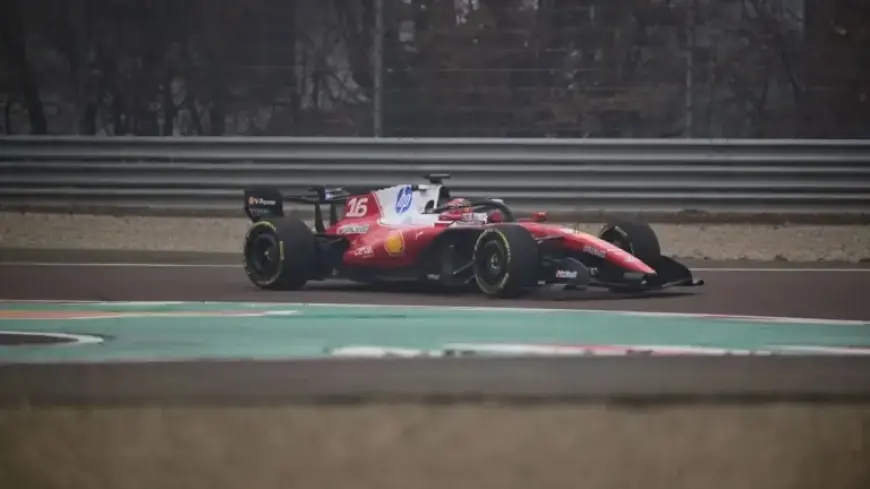
Formula 1 will return to the Circuit de Barcelona-Catalunya for its January testing, officially branded as a “shakedown,” from January 26 to 30, 2026. Unlike traditional tests, this event will occur behind closed doors, lacking media and fan attendance. This unique circumstance underscores the significant regulatory changes expected for the 2026 season.
Reasons for January Testing
The primary motivation for this early test stems from extensive updates to the power unit, chassis, and aerodynamic regulations. These changes necessitate additional testing to help teams adapt before the first race of the season. Recent history, notably the 2014 overhaul, illustrates that teams often require extra time to familiarize themselves with new technologies.
Key Teams and Changes
- Audi and Red Bull Powertrains will debut as new engine suppliers.
- If successful, Cadillac will join as a fully-fledged Formula 1 team.
Closed Doors: What to Expect
The rationale behind the private nature of this testing involves a contractual agreement with Bahrain, which will host the first official test in February. Minimizing publicity for the Barcelona shakedown preserves the focus for Bahrain, allowing teams to finalize car settings without drawing too much attention.
A Closer Look at Technical Changes
The 2026 regulations center around hybrid power units aiming for a 50% power contribution from both electric batteries and internal combustion engines using sustainable fuels. This ambitious goal attracts new participants like Audi and persuades other manufacturers like Honda to reconsider their positions in the sport.
- Active aerodynamics are introduced on both front and rear wings.
- Cars will become narrower by 10 cm and lighter by 30 kg, enhancing maneuverability.
Testing Dynamics
Although all teams except Williams are registered, strategies will differ regarding track time. McLaren, facing production delays, will miss the initial days. Weather forecasts suggest potential rain, forcing teams to optimize dry test opportunities.
Challenges in Information Gathering
The restricted nature of this test means fewer insights will be available compared to standard pre-season testing. Journalists won’t have the usual access to timing data or free movement within the paddock, which could lead to a less comprehensive understanding of team performances.
Future Implications
After Barcelona, teams will analyze gathered data before preparing for the next two three-day tests in Bahrain. Launch events will follow, unveiling new designs and upgrades, with the 2026 season officially kicking off on March 8 in Australia.
This January testing period signifies a critical transition for F1. With rigorous new regulations at play, teams will need to maximize every opportunity on the circuit to ensure they’re prepared for the upcoming challenges of the season.