
























“Prepare for Cold: When to Drip Faucets to Prevent Frozen Pipes”

As winter approaches, it’s essential for homeowners to take preventative measures against frozen pipes. The risk increases when temperatures drop significantly, especially in areas like Mississippi. Understanding how to prepare for cold weather can save you from costly repairs associated with burst pipes.
Understanding the Risks of Frozen Pipes
Frozen pipes can burst, leading to extensive damage and expensive repair costs. The national average to repair a burst pipe ranges from $232 to $764. Repairs can also escalate due to hourly plumber rates, which typically range from $50 to $225. Emergency services may incur additional charges.
When to Drip Faucets to Prevent Frozen Pipes
Homeowners should drip their faucets when the following conditions are expected:
- Temperatures are forecasted to drop below freezing for several days.
- Cold weather persists, particularly during cold snaps.
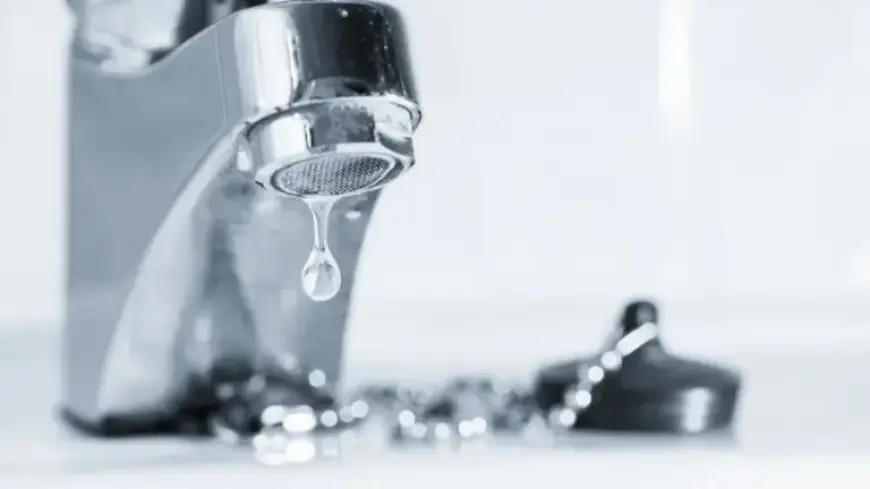
According to Mississippi State University Extension, dripping the farthest faucet from the meter can help keep water moving through the system. Angi, a home repair service, recommends dripping one faucet in every room, especially those with exposed pipes or minimal insulation.
Cost of Dripping Faucets
Dripping faucets can cost approximately $1 per month in water usage but can prevent significant water damage. Therefore, the expense is often worth the investment for peace of mind.
Best Practices for Winterizing Your Home
Here are effective strategies to ensure your home is prepared for winter:
- Drip Water: Let cold water drip from faucets until temperatures rise above freezing.
- Insulate Pipes: Insulate pipes in unheated areas, including basements and attics.
- Open Cabinet Doors: Open cabinets containing plumbing to allow warm air circulation.
- Drain Outdoor Faucets: Before the freeze, drain outdoor spigots to prevent ice buildup.
Outdoor Pipe Preparation
Before temperatures drop:
- Open outdoor water spigots and let any remaining water drain.
- Purchase covers for outdoor faucets to further insulate them.
Identifying Vulnerable Pipelines
The most commonly affected pipes include:
- Pipes exposed to severe outdoor temperatures.
- Water supply lines in unheated spaces.
- Pipes against exterior walls with little or no insulation.
What to Do If Pipes Freeze or Burst
If a pipe freezes:
- Turn off the water at the main shut-off valve.
- If possible, open the faucet to relieve pressure.
- Use a space heater to warm the area around the frozen pipe.
After the pipe thaws, gradually turn on the water, checking for leaks or bursts. If the problem persists, or if the meter is frozen, contact your utility provider.
Conclusion
Taking these steps can help protect your home from the damage caused by freezing temperatures. For more information on home maintenance, visit Filmogaz.com.