
























Washington Strategy, Not Ambassador, Needs Rethinking

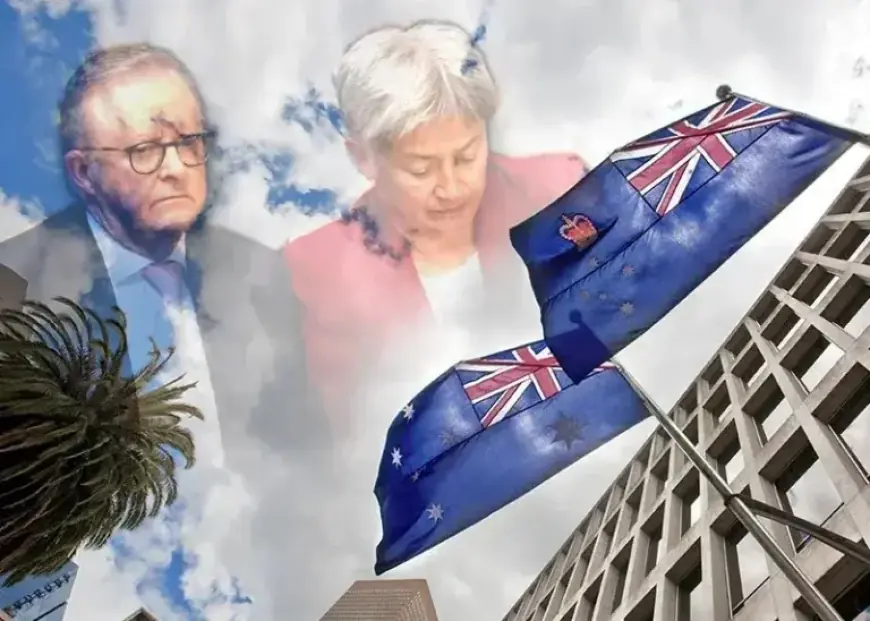
Australia’s diplomatic future hinges on its relationship with the United States. As Prime Minister Anthony Albanese shapes this connection, a reevaluation of the current strategy becomes vital. The previous approach focused on strengthening the alliance, yet the emerging “small alliance” strategy raises questions about Australia’s role in global defense dynamics.
Assessing the “Small Alliance” Strategy
Albanese’s strategy appears to promote a cautious distance from the US. This shift follows the unpredictability seen during Donald Trump’s presidency and reflects a broader perspective within Albanese’s Labor Left regarding defense engagement.
Historical Context of Australia-US Relations
Traditionally, Australian leaders invested time in fostering relationships with American counterparts. Albanese, however, has limited his personal engagement with the US to one visit, a few brief discussions, and four phone calls since Trump took office. This minimal interaction raises concerns about the long-term impact on the Australia-US alliance.
Recent Developments and AUSMIN Meetings
In December, the AUSMIN consultations established a platform for strategic dialogue between Australia and the US for over 40 years. Despite its history of issuing substantive communiques, the latest meeting concluded without a joint statement. This absence indicated a potential decline in the Australian relationship’s priority within US foreign policy.
- AUSMIN consultations have historically reaffirmed Australia-US strategic bonds.
- The December meeting lacked a joint communiqué, a first in decades.
- This could signal a diminishing emphasis on Australia in US strategic considerations.
Implications of the AUKUS Agreement
Australia’s engagement in AUKUS aims to strengthen military capabilities with nuclear-powered submarines and advanced technologies. However, the timelines for these developments extend well into the future, with no immediate benefits visible. The first AUKUS-class submarines will not be operational until the early 2040s, well beyond contemporary geopolitical tensions.
Leadership and Ambassadorial Appointments
As Australia navigates these changes, the appointment of a new ambassador in Washington is critical. Observers note the strategic value of selecting an ambassador who aligns with countries’ defense policies. Former Prime Minister Kevin Rudd’s early departure reflects concerns about limited influence and engagement within the current administration.
- Possible candidates for the ambassadorship include:
- Scott Morrison, whose approach may conflict with the current strategy.
- Greg Moriarty, known for his steady leadership.
- Andrew Shearer, thanks to his credentials and established relationships.
The Path Forward
Australia’s future will depend heavily on its engagement strategy with the US. A “small alliance” approach risks undermining essential defense commitments at a time when US allies are expected to increase their contributions. Emphasizing open dialogue about military cooperation, particularly in northern Australia, becomes crucial for maintaining a robust relationship.
As developments unfold, Australia must adapt its strategy to reinforce ties with the United States. The goal should be to foster a genuine partnership rather than retreat into a more detached stance.