Microsoft Shares BitLocker Keys with FBI, Sparking Privacy Concerns

Microsoft has announced its policy regarding BitLocker encryption keys, stating that it will share these keys with the FBI if a valid legal request is made. This decision raises significant privacy concerns for users of Windows devices.
Access to BitLocker Keys for Law Enforcement
In a recent statement to Forbes, Microsoft confirmed that it provided the FBI with access to BitLocker encryption keys. These keys allow law enforcement to decrypt and access data stored on Windows computers. The information comes after an incident where the FBI requested keys to investigate alleged fraud in Guam’s Covid unemployment assistance program in early 2025.
How BitLocker Works
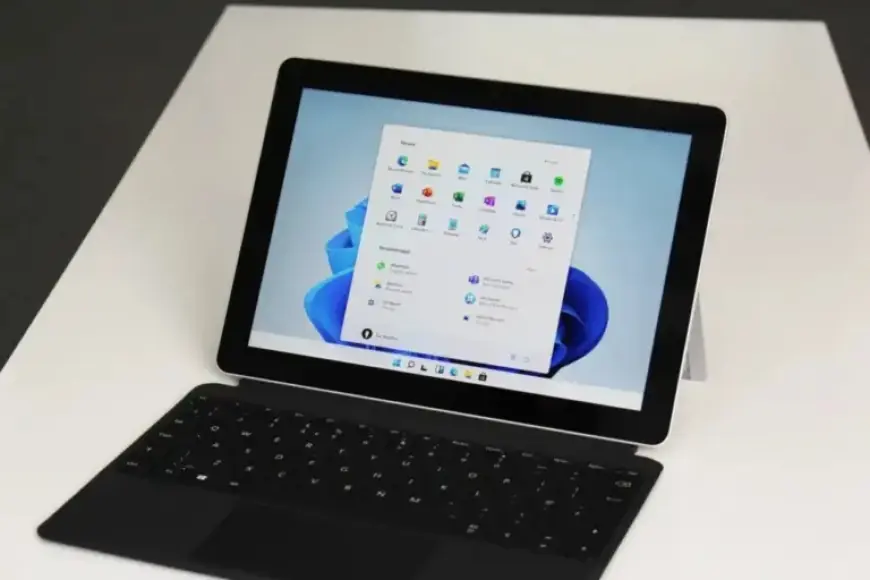
BitLocker is an encryption feature that secures data on Windows devices. By default, Windows 11 ties the BitLocker keys to a Microsoft account, automatically storing them in the cloud. This design aims to help users easily recover their data in case they are locked out of their devices.
- Users can disable cloud storage for BitLocker keys.
- They can opt to save encryption keys locally instead.
According to Microsoft spokesperson Charles Chamberlayne, “While key recovery offers convenience, it also carries a risk of unwanted access.” He emphasized that customers should decide how to manage their keys.
Frequency of Requests and Privacy Concerns
Microsoft revealed it receives approximately 20 requests annually from the FBI for BitLocker keys. However, many requests cannot be fulfilled as the encryption keys were never uploaded to Microsoft’s cloud. This situation contrasts sharply with companies like Apple, which have resisted providing law enforcement access to encrypted data.
| Company | Policy on Encryption Keys |
|---|---|
| Microsoft | Provides access with a valid legal order |
| Apple | Refuses to provide backdoors to encryption |
| Meta | Stores keys in the cloud but uses zero-knowledge architecture |
Privacy Implications for Users
The lack of encryption for the BitLocker keys stored in Microsoft’s cloud poses a severe privacy risk. Users may unknowingly expose their data to significant threats if they back up these keys online. Given the convenience of cloud backing comes this potential danger, users should consider carefully where they choose to store their encryption keys.
In conclusion, Microsoft’s decision to collaborate with law enforcement on BitLocker keys should prompt users to reevaluate their security practices. Ensuring that encryption keys are stored securely will be essential for maintaining privacy and data integrity in today’s digital landscape.