























Major Winter Storm Sweeps Across the United States

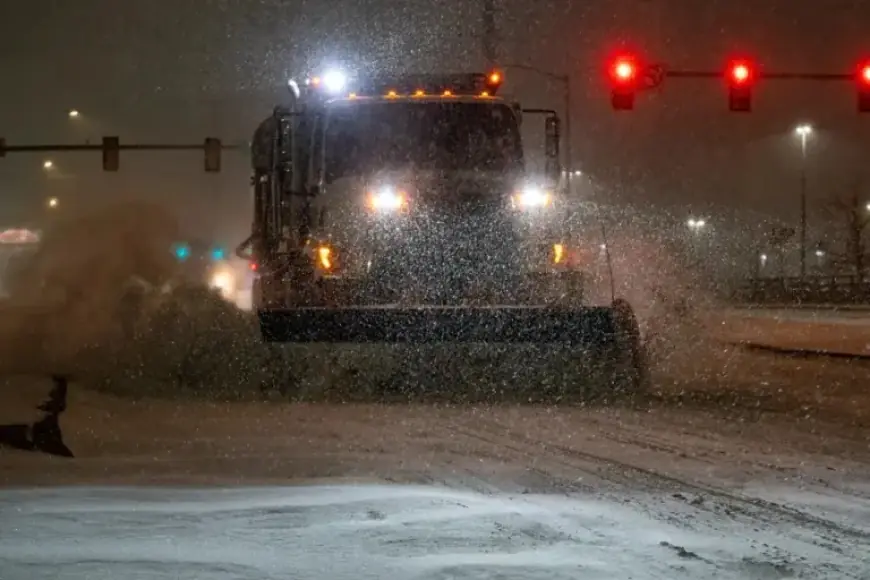
Parts of the United States are facing a declared state of emergency as a major winter storm sweeps across the nation. Starting in Texas and New Mexico, the storm’s impact is expected to move northeast through Monday.
Severe Weather Forecast
The National Weather Service (NWS) has issued warnings for “abundant” snowfall and “catastrophic” ice accumulations. Moreover, dangerously cold gusts are anticipated as a low-pressure system from central Canada pushes frigid temperatures into areas spanning from the Great Plains to the Northeast and the Great Lakes region.
Impacts on Major Cities
- Dallas: Known for its typically mild winters, the city recorded a temperature drop to -6°C. Residents are bracing for a mix of freezing rain and sleet.
- Houston: The city is preparing for what Mayor John Whitmire describes as an “unprecedented” storm. Emergency shelters are opening for the public, and assistance will be available without immigration checks.
Emergency Preparedness
Emergency shelters aimed at supporting the homeless population will begin operations as early as Saturday afternoon in Houston. State officials have expressed confidence in the resilience of the electrical grid, which previously failed during a major winter storm in 2021.
Government Response
President Donald Trump has approved emergency declarations for South Carolina and Virginia, enabling quicker deployment of resources from the Federal Emergency Management Agency (FEMA). He urged citizens to “stay safe and stay warm” via his Truth Social platform.
Travel Disruptions
Preparations for the historic winter storm, potentially affecting over 240 million individuals in more than 40 states, have been underway. As of Saturday, approximately 3,400 flights had been canceled due to the worsening conditions, with more than 6,000 cancellations anticipated for Sunday.
Scientific Insights
Discussions continue regarding the relationship between climate change and winter storms. Research indicates that disruptions in the polar vortex, which allow Arctic air to move southward, have increased in frequency over the past 20 years. Although scientists are gathering more data, conclusive links between extreme winter storms and climate change remain under investigation.