






















Russia snow storm 2026: Kamchatka’s “snowcalypse” is straining cities, roofs, and supply lines

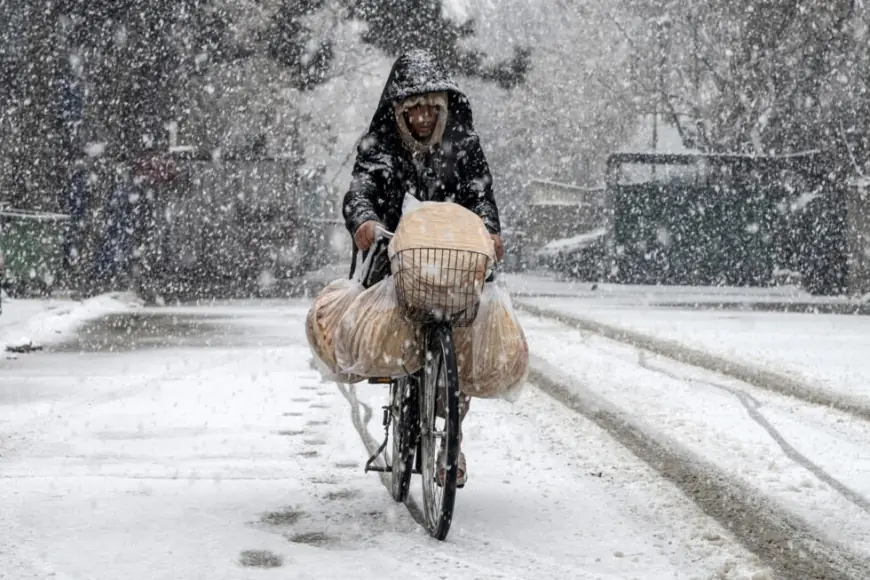
Russia’s most disruptive snow story of 2026 isn’t just about depth on the ground—it’s about what heavy, wind-driven snowfall does to a city’s basic functions. In the Far East, days of intense storms on the Kamchatka Peninsula have buried neighborhoods, slowed emergency response, and turned ordinary risks—like roof loads and blocked exits—into urgent hazards. The practical change is immediate: commuting becomes a rescue operation, deliveries become uncertain, and buildings become something residents have to actively defend.
When snow becomes an infrastructure emergency
In the regional capital Petropavlovsk-Kamchatsky, snowfall totals have been described in meters, not centimeters, with drifts rising far higher where winds piled snow against structures. Residents have been forced into improvised routines—digging tunnels from doorways, clearing vehicles that disappear overnight, and coordinating neighborhood cleanups simply to reopen a single lane of travel.
This kind of storm stress-tests everything that normally stays invisible:
-
Roofs and overhangs: Heavy accumulation can release suddenly, creating lethal “snow-slab” falls onto sidewalks and entrances.
-
Ambulance access: A few impassable streets can turn a routine call into a time-critical problem.
-
Supply continuity: Grocery stock, fuel deliveries, and medical logistics become fragile when trucks can’t move reliably.
-
Public transit replacement: In some areas, conventional buses have been sidelined, with all-terrain vehicles stepping in to move people along core routes.
Even after the snowfall stops, risk doesn’t. The cleanup phase can be just as dangerous: fatigued residents climbing on roofs, clearing snow in poor visibility, or driving through narrowed streets where plows have built high walls that reduce sightlines.
What happened across Russia—and why it was so intense
The harshest impacts this season have centered on Kamchatka, where a sequence of storms in mid-January delivered exceptional snowfall in multiple bursts. Weather patterns behind these events can be deceptively simple: very moist air collides with much colder air, and the result is prolonged, high-output snow—especially when winds create deep drifts that exceed the “official” snowfall depth.
The consequences have been visible in everyday scenes: streets transformed into trenches, parked cars submerged, and residential blocks partially cut off until heavy equipment reopens access. Authorities have declared emergency measures during the worst periods, while residents have described the region as functionally isolated.
Meanwhile, European Russia has also been hit by heavy snowfall episodes earlier in the month, including disruptive conditions around Moscow that triggered widespread travel delays and flight disruptions. That contrast matters: Moscow can often absorb severe snow with dense plowing capacity and rapid mobilization, while remote regions face longer recovery times because equipment, spare parts, and specialized crews are simply farther away.
Mini timeline of the 2026 Russia snow storm picture
-
Early January 2026: Heavy snowfall around Moscow triggers major transportation disruption, including large-scale flight delays and cancellations.
-
Mid-January 2026: A concentrated series of storms hits Kamchatka, burying Petropavlovsk-Kamchatsky and surrounding areas under deep snow and extreme drifts.
-
Late January 2026: Cleanup continues in Kamchatka, with ongoing concerns about roof safety, access routes, and the pace of snow removal.
-
Next signal: The biggest near-term indicator is whether a new cyclone track returns before roads and roofs are fully stabilized, which would compound risk and slow recovery.
The human stakes: not just inconvenience, but safety
When snowfall crosses a certain threshold, the story stops being “winter weather” and becomes “public safety.” Two specific hazards rise fast:
-
Roof-load and roof-release danger
Deep snow can overload structures, but the more immediate threat can be sudden release—dense sheets sliding off roofs onto walkways and entry points. Cities often respond by restricting pedestrian zones near buildings, but enforcement is hard when people still need to get to work, school, and groceries. -
Secondary emergencies
Snowstorms don’t pause medical crises, fires, or household accidents. When roads narrow, visibility drops, and vehicles get stuck, response times expand—especially in steep areas or neighborhoods where drifts build up unevenly.
For residents, the “how bad is it?” metric becomes simple: Can you safely leave your building, and can help reach you if you can’t? In Kamchatka, that question has been uncomfortably real.
As 2026 unfolds, Russia’s snow story is likely to keep splitting into two realities: big western cities that can grind through storm days with disruption, and remote regions where a few days of extreme snowfall can redefine normal life for weeks.