

























Canada’s Top Traffic-Choked City Revealed, and It’s Not Toronto or Montreal

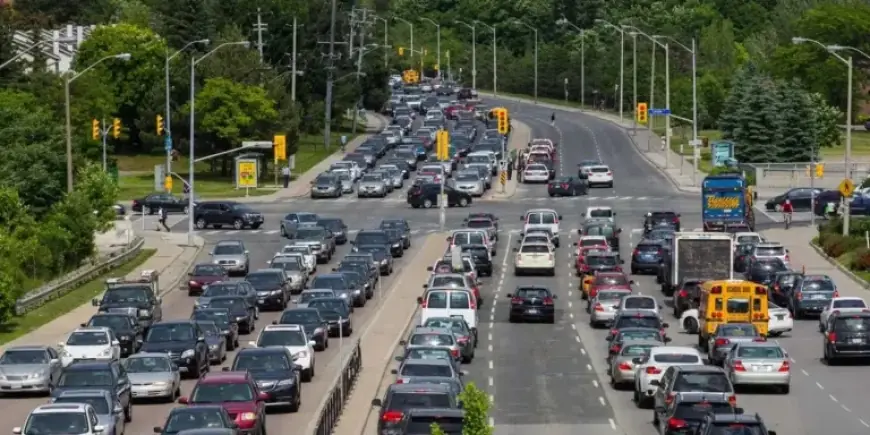
In a surprising turn of events, a recent report has identified Canada’s most congested city for 2025, and it isn’t Toronto or Montreal. According to TomTom’s 2025 Traffic Index, this year’s top contender for the worst traffic isn’t even the largest city in the country.
Canada’s Top Traffic-Choked City Revealed
The TomTom Traffic Index, which analyzes real-world driving data, ranked cities based on congestion levels, average speeds, and rush hour delays. The report assessed over 3.6 trillion kilometers driven worldwide last year.
Key Findings from the 2025 Traffic Index
- Quebec City: 41.3% congestion level; average driver lost 69 hours in traffic.
- Montreal: 41.3% congestion level; 89 hours wasted annually.
- Halifax: 45% congestion level; drivers lost 111 hours in 2025.
- Toronto: 47.7% congestion level; 100 hours lost to traffic.
- Vancouver: 56.5% congestion level; topped the list with 112 hours lost.
The Most Congested Cities in Canada
| Rank | City | Congestion Level (%) | Hours Lost | Average Speed (km/h) |
|---|---|---|---|---|
| 1 | Vancouver | 56.5 | 112 | Varies; low speeds on local roads |
| 2 | Toronto | 47.7 | 100 | 22.5 |
| 3 | Halifax | 45 | 111 | Below 20 |
| 4 | Montreal | 41.3 | 89 | 25.5 |
| 5 | Quebec City | 41.3 | 69 | 33 |
Vancouver, with a staggering 56.5% congestion level, has been deemed the worst in Canada for the second consecutive year. This city saw drivers average about 30 minutes to travel just 10 kilometers during peak times. The lack of major highways through the downtown area significantly contributes to longer delays.
Comparative Insights
Globally, Vancouver placed 45th in the congestion rankings, surprisingly ahead of cities like London and New York. In contrast, the worst traffic is recorded in cities like Bangkok and Mexico City, where the average driver can lose up to 184 hours annually.
Understanding the Traffic Patterns
According to TomTom, traffic congestion is influenced by a variety of factors, including road design, speed limits, and accidents. Increased hybrid work arrangements are shifting traffic patterns, resulting in extended peak hours.
While traffic may seem unbearable in cities like Vancouver and Toronto, it’s noteworthy that Canadian roads still present less congestion compared to many global hotspots. For those navigating the streets, perhaps it’s time to tune into a podcast or audiobooks to ease the commute experience.