

























Review: Daniel Blumberg’s Original Soundtrack for ‘The Testament of Ann Lee’

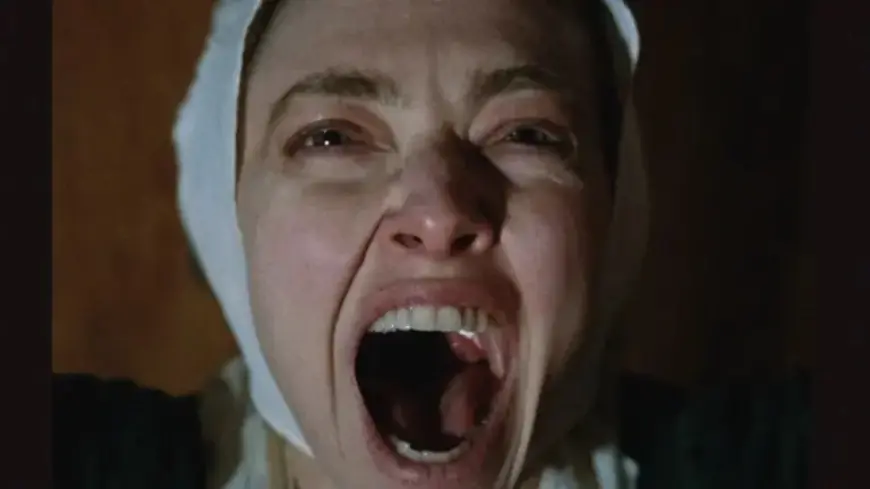
Daniel Blumberg’s original soundtrack for the film “The Testament of Ann Lee” plays a crucial role in conveying its themes and emotions. Directed by Mona Fastvold, the movie features Amanda Seyfried in the lead role, portraying the founder of a religious movement known as the Shakers.
About the Shakers and Their Music
The Shakers originated as an offshoot of Quakerism in the mid-1600s in England. They emphasize self-denial, particularly in the context of sexuality, and are known for their communal lifestyle and distinctive music. Blumberg’s soundtrack revitalizes ten traditional Shaker hymns, blending them with original compositions that capture the essence of this unique faith.
Soundtrack Details
- Collaboration with Cast: Blumberg recorded the actors live on set, enhancing the soundtrack’s authenticity.
- Choral Elements: He directed nearly 100 singers, drawing inspiration from the Shaker practice of speaking in tongues.
- Musical Style: The score incorporates elements from Gregorian chant and Appalachian folk music, reflecting the journey from Manchester to Niskayuna, New York.
Film’s Cinematic Approach
Fastvold’s direction features painterly visuals reminiscent of the works of Caravaggio and William Hogarth. However, the overwhelming presence of the score often overshadows the film’s narrative depth.
Performance and Reception
Amanda Seyfried’s portrayal of Ann Lee has been met with mixed reactions. Critics noted that while she embodies the character’s complexities, her performance sometimes fails to resonate due to the music’s overpowering nature. For instance, her rendition of hymns often leans towards a standardized sound, losing the emotional resonance essential for such traditional pieces.
Key Takeaway
The Testament of Ann Lee presents a compelling narrative underscored by Blumberg’s ambitious soundtrack. However, the film occasionally struggles to balance its vibrant musical elements with the power of silence inherent in both Shaker and Quaker practices. In this context, the film serves as a reminder that sometimes, less is more when it comes to evoking true rapture.