





DI Cabinet Authorizes Commercial Patches on Uniforms and Equipment

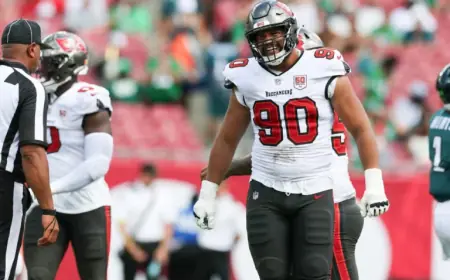
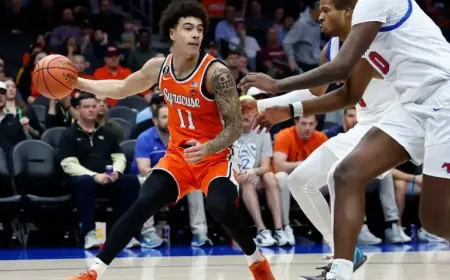
The Division I Cabinet has recently approved a significant change regarding commercial logos on uniforms and equipment for college sports programs. This new policy will enable Division I teams to showcase additional commercial patches, enhancing their branding opportunities in non-NCAA championship competitions.
Overview of the New Policy
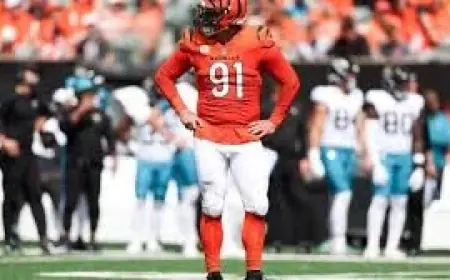
Effective August 1, Division I teams can apply up to two extra logos on their uniforms and apparel during the preseason and regular season. Additionally, they are allowed one extra commercial logo on equipment. Teams participating in conference championships can add another logo on uniforms and apparel. Each logo must not exceed 4 square inches in size.
Statements from Leadership
Josh Whitman, athletics director at the University of Illinois and chair of the Cabinet, emphasized the positive direction this move represents. He noted that the Cabinet’s decision exemplifies the commitment of Division I members to increase revenue and fully support benefits for student-athletes. The initiative aligns with the NCAA’s goal of providing flexibility in its rules to better suit the diverse needs of schools and conferences.
Implementation Guidelines
The placement of these logos will be regulated by specific committees, ensuring they do not interfere with officiating. The respective playing rules, oversight, and sport committees will determine where logos can be placed on uniforms. Moreover, the Cabinet expressed support for further discussions about allowing commercial patches during NCAA Championships.
- Effective Date: August 1
- Logo Restrictions:
- Up to two logos on uniforms/apparel
- One logo on equipment
- One additional logo for conference championships
- Logo Size: Maximum 4 square inches
This pivotal change reflects the evolving landscape of college athletics, where commercial opportunities are becoming increasingly important. As Division I programs move forward, these guidelines are expected to reshape how teams brand themselves and connect with fans and sponsors alike.