Cameron Smotherman’s Weigh-In Collapse Puts Weight-Cut Safety Back in the Spotlight Ahead of UFC 324

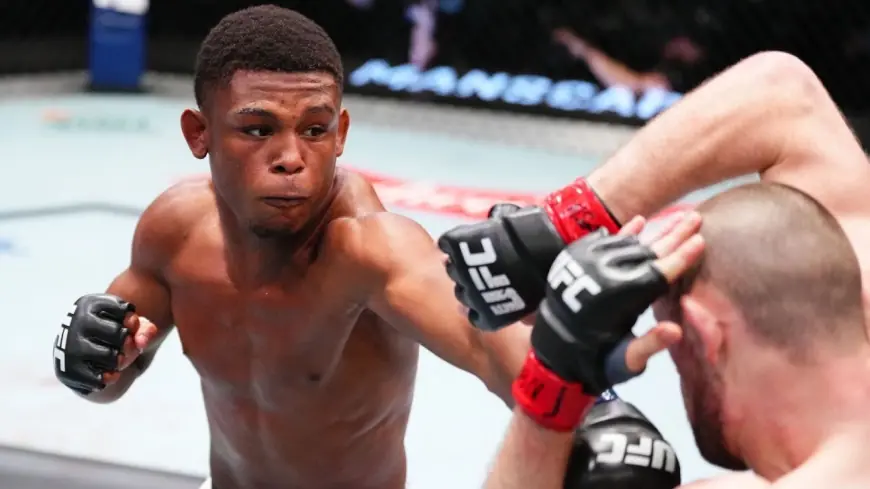
A single moment at a weigh-in can change an entire fight week—and for Cameron Smotherman, it just did. Smotherman collapsed shortly after making the bantamweight limit in Las Vegas on Friday, prompting immediate medical attention and the cancellation of his scheduled bout at UFC 324. Beyond one matchup dropping off the card, the incident revives a recurring question in MMA: how close is too close when athletes push their bodies to hit a number on a scale?
The uncertainty isn’t about toughness—it’s about physiology
When a fighter goes down after a cut, the biggest variable is time: minutes and hours can matter more than any training camp. Smotherman was taken for evaluation, and his fight was called off as a precaution. That’s the correct priority order—health first, matchmaking second—but it also highlights how little visibility fans get into the medical side of weight cutting, where dehydration, electrolyte imbalance, and rapid rehydration all collide in a narrow window.
Here’s the part that matters: weigh-in incidents aren’t just scary optics. They can force athletic commissions and promotions to act conservatively because “seems okay later” isn’t a reliable medical standard. Even if an athlete feels normal after regaining fluids, the underlying stress on the body can linger—and regulators typically treat on-stage collapses as a hard stop until doctors clear the fighter.
What’s easy to miss is how these moments ripple outward: coaches reassess cutting practices, opponents lose paydays or preparation targets, and matchmakers have to reshuffle cards on short notice. The sport’s weight-cut culture doesn’t change overnight, but incidents like this keep pressure on the system to prove it can keep fighters safe without relying on luck.
What happened with Cameron Smotherman at the UFC 324 weigh-ins
Smotherman successfully made weight for his bantamweight fight and then collapsed moments later as he stepped away from the scale. Staff rushed in, he received immediate assistance, and he was transported for medical evaluation. The bout—scheduled for Saturday, January 24—was canceled shortly afterward.
The planned matchup was against Ricky Turcios, and it had already drawn attention as a pace-heavy fight between two bantamweights looking to rebound. Smotherman had spoken in recent days about wanting a more active, crowd-pleasing fight style after previous bouts that leaned into clinches and control. None of that matters now; the only relevant question is recovery and medical clearance.
A brief timeline of the key beats:
-
Friday, January 23 (morning): Smotherman weighs in successfully for the bantamweight limit.
-
Moments later: He collapses on stage and is attended to immediately.
-
Friday, January 23 (later): He is taken for medical evaluation; the fight is canceled for UFC 324.
-
Next step: Medical guidance will determine when (and if) he can safely return to full training and competition.
The real test will be what comes next in the process—clear, conservative medical decision-making that doesn’t treat “making it to fight night” as the goal if the body just signaled distress.
For now, the practical impact is straightforward: Turcios loses the bout and the opportunity that comes with it, the card loses a matchup that had stylistic intrigue, and Smotherman’s immediate timeline becomes a health matter rather than a competitive one. Until there’s confirmation of his condition and clearance status, anything beyond that is guesswork—and after a weigh-in collapse, guesswork is exactly what responsible teams avoid.