

























Ryan Wedding’s arrest ends a decade-long manhunt—and opens a high-stakes legal fight over a violent drug-trafficking case

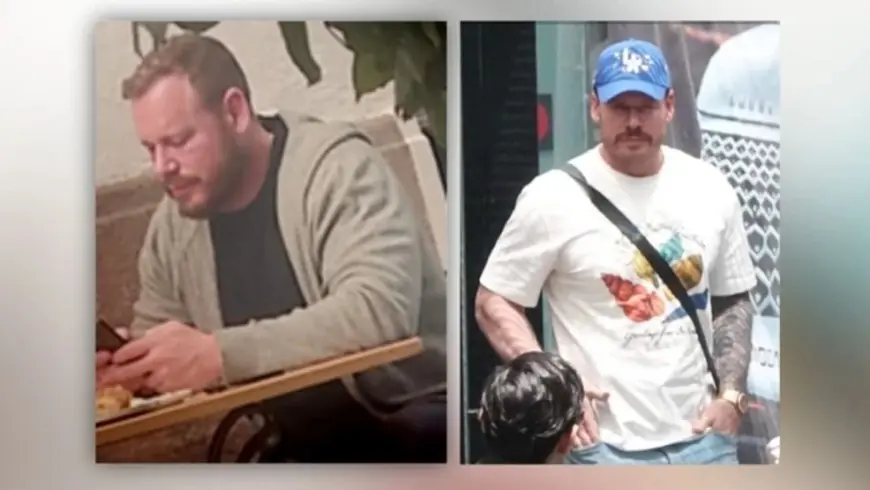
Ryan Wedding, a former Olympic snowboarder turned fugitive, is back in custody after an arrest in Mexico that closes one chapter and immediately ignites another: a U.S. prosecution built around allegations of multinational cocaine trafficking and ordered violence. The case matters beyond its headline-grabbing contrast—elite sports to organized crime—because it tests how far cross-border enforcement can reach when a suspect is believed to have operated under cartel protection, moved drugs at industrial scale, and used intimidation to keep a case from reaching trial.
Wedding, 44, had been publicly sought as one of the most wanted fugitives in the United States. His capture shifts the story from pursuit to proof, where courtroom standards—not manhunt claims—will determine what holds.
A case defined by risk: major allegations, big numbers, and what must be proven
The charges tied to Wedding are among the most severe typically seen in federal organized-crime prosecutions: drug-trafficking conspiracies, money laundering, and allegations involving murder and witness intimidation. Investigators allege he led an enterprise that moved large quantities of cocaine from Colombia through Mexico and into North America, using commercial transport routes and a network of associates.
Those are sweeping claims, and that breadth is exactly what raises the stakes for prosecutors. Large-volume trafficking cases often hinge on three pressure points:
-
Chain-of-command evidence — proving leadership, not just participation
-
Financial tracing — showing control, profit, and intent through assets and transfers
-
Witness integrity — securing testimony that can withstand cross-examination and retaliation concerns
Wedding’s case touches all three. It includes allegations tied to targeted killings, including a federal-witness component that prosecutors will need to connect to decision-making, communications, and motive—areas where defense teams typically focus their strongest challenges.
Quick questions people are asking
Was this an arrest or a surrender?
Public accounts describe Wedding ending up in custody after appearing at the U.S. embassy in Mexico, a detail that can matter later if lawyers argue about the circumstances of detention and transfer.
What’s actually confirmed right now?
The arrest and pending transfer to face charges are concrete. The most explosive details—cartel ties, the scale of trafficking, and responsibility for killings—remain allegations that will need to be tested in court.
Why does “Most Wanted” status matter legally?
It doesn’t prove guilt, but it often signals the government believes it has a strong case, expects flight risk, and plans to treat detention and security as central issues from day one.
How the manhunt ended—and why the next phase will be slower, not louder
Wedding competed for Canada at the 2002 Winter Olympics, then later surfaced in U.S. criminal cases tied to cocaine distribution. After serving time, investigators allege he returned to trafficking on a larger scale, eventually disappearing long enough to become one of the most pursued fugitives tied to drug and violence allegations.
His arrest in Mexico follows months of intensified attention after the unsealing of a U.S. indictment and a public reward offer for information leading to his capture. The capture also underscores a practical reality: even in high-profile cases, the decisive moment can be administrative and cooperative—detention, identification, transfer—rather than cinematic.
Now the timeline changes. Extradition or transfer procedures, initial hearings, detention decisions, discovery battles, and witness issues tend to move in measured steps. If the allegations include cross-border violence, prosecutors may also need to coordinate evidence and testimony from multiple jurisdictions—often the slowest part of building a trial-ready record.
Key dates in the Ryan Wedding case (high level)
-
2002: Competes as an Olympic snowboarder.
-
Prior years: U.S. drug case leads to imprisonment and later release.
-
Late 2025: A federal indictment is unsealed describing a criminal enterprise case with drug and violence allegations.
-
2025: Added to the most-wanted list amid an expanded search.
-
January 2026: Detained in Mexico and taken into U.S. custody to face charges.
What changes immediately for the legal fight
From here, the most consequential decisions won’t be public statements—they’ll be procedural:
-
Detention hearing: Judges weigh flight risk and danger, often using the alleged violence and international ties as core factors.
-
Evidence scope: Defense teams typically press for limits on what can be introduced (especially prior acts and inflammatory allegations).
-
Cooperator credibility: If witnesses are cooperating to reduce their own exposure, their incentives become a central trial theme.
-
Jurisdiction and logistics: If key acts occurred outside the U.S., prosecutors must show how those acts connect to charges and venue.
For the public, the arrest feels like an ending. For the courts, it’s the beginning of the part that actually decides the story.