

























Experience Skyscraper Climbing: A Thrilling Adventure Guide

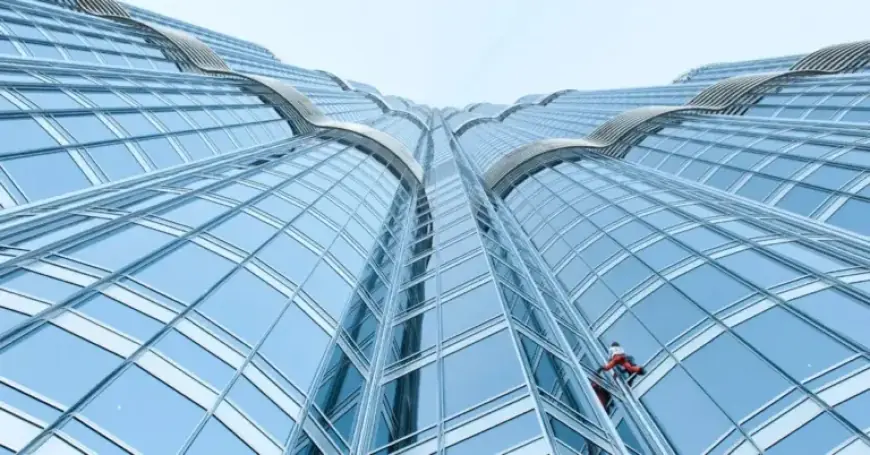
Skyscraper climbing has become a captivating, albeit risky adventure. This unique pursuit involves scaling some of the tallest structures in the world without safety equipment, presenting athletes with both intense physical and mental challenges.
Historical Context of Skyscraper Climbing
Dan Goodwin made headlines in 1986 when he climbed the CN Tower in Toronto. Standing at 1,100 feet, the CN Tower was the tallest building globally at the time. Goodwin completed his ascent without any ropes or harnesses, a feat that pushed him to his limits. “Every move had to be perfect,” he recalled.
More recently, Alex Honnold, known for the Oscar-winning documentary “Free Solo,” plans to climb Taipei 101, which stands at an impressive 1,667 feet. This attempt, set to be livestreamed on Netflix, marks a significant moment in the visibility of skyscraper climbing.
The Unique Challenges of Skyscraper Climbing
Skyscraper climbing is fundamentally different from traditional rock climbing. Climbers need to conquer urban environments that involve noise, crowds, and often, the threat of police intervention. Alain Robert, a prominent climber from France, has ascended approximately 200 buildings, facing numerous arrests. “You feel like you’re literally in a movie,” he stated, reflecting on the dramatic experience of being chased by law enforcement.
Training and Physical Demands
Unlike rock climbing, where each movement presents a unique puzzle, skyscraper climbing requires repetition. Dan Goodwin explained that the movements can become monotonous, dramatically taxing muscles over time. Climbers might perform the same actions hundreds of times as they ascend countless stories.
- Repetitiveness: Skyscraper climbing often consists of repeated movements.
- Intensity: The physical demands can lead to muscle fatigue.
Difficulty Ratings of Notable Climbs
Alain Robert created a system for assessing the difficulty of buildings he climbed. He evaluates factors beyond height, such as grip and surface texture. Notable ratings include:
| Building | Rating | Year Climbed |
|---|---|---|
| Brooklyn Bridge | 2/10 | 1994 |
| Eiffel Tower | 2/10 | 1996 |
| Taipei 101 | 6/10 | 2004 |
| Sears Tower (Willis Tower) | 9/10 | 1999 |
| Burj Khalifa | 9/10 | 2011 |
| Tour Framatome (Tour Areva) | 10/10 | 1998 |
Concerns and Responsibility
As the sport gains popularity, some in the climbing community worry about the impact of high-profile climbs like Honnold’s. Dan Goodwin issued a warning against untrained individuals attempting similar feats. “Unless you’re a world-class climber, it’s a suicide mission,” he cautioned. Yet, the thrill of risk continues to draw climbers like Robert, who finds a unique sense of fulfillment at great heights.
Skyscraper climbing remains an exhilarating adventure filled with challenges and dangers that captivate those who dare to ascend.