

























Brett Kavanaugh Warns of Trump’s Ominous Threat to Federal Reserve

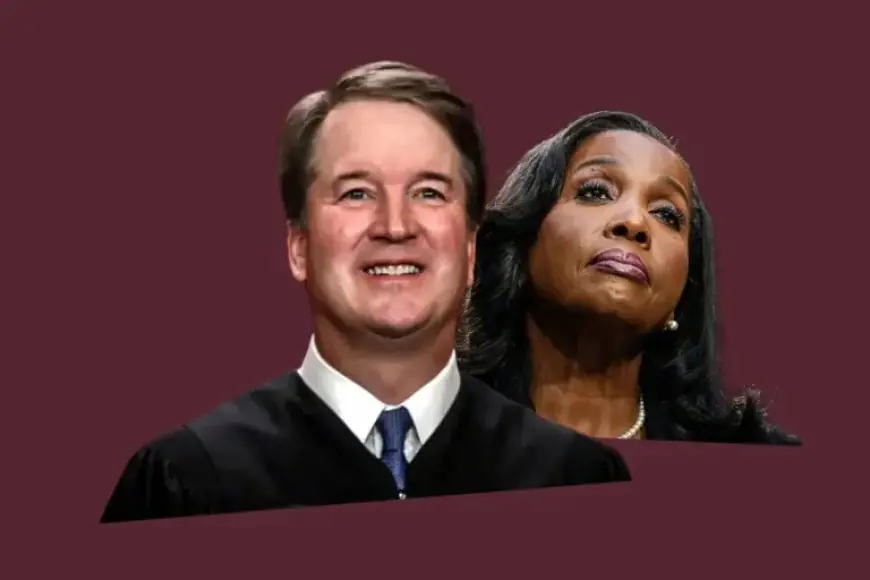
The Supreme Court recently deliberated on a pivotal case, Trump v. Cook, which centers around Donald Trump’s attempts to remove Federal Reserve board member Lisa Cook. The president had initially sought to dismiss Cook, a Democrat, based on questionable allegations relating to mortgage fraud.
Background of the Case
In August, after Cook’s lawsuit reinstated her position, the Trump administration sought emergency relief from the Supreme Court, which scheduled oral arguments for September. While no immediate decision was rendered, the current majority of justices appears inclined to favor Cook.
Key Arguments and Concerns
During a two-hour oral argument, Justice Brett Kavanaugh emerged as a key figure. He expressed concern over the implications of allowing the president such authority. Kavanaugh stated, “What goes around comes around,” warning that empowering a president to fire Fed members could lead to severe repercussions under future administrations.
Kavanaugh emphasized the potential chaos this precedent could create, suggesting that future presidents might also remove appointees at will, undermining the Federal Reserve’s independence.
Kavanaugh’s Dissenting Voice
Although Kavanaugh is often seen as a conservative voice, he voiced apprehension about the potential for political retribution inherent in such a scenario. He questioned the Solicitor General, John Sauer, about the risks involved in destabilizing the Federal Reserve, particularly concerning the agency’s pivotal role in ensuring stable monetary policy.
Rising Tensions in the Court
The justices grappled with nuanced legal points. Some, including the liberal members, advocated for proper notification and an opportunity for Cook to contest the allegations made against her. Conversely, Chief Justice John Roberts appeared to favor a straightforward resolution, suggesting the established facts did not meet the threshold for Cook’s removal.
- Kavanaugh and other justices showed support for due process, indicating a desire for a fair opportunity for Cook to defend herself.
- Roberts questioned the necessity of a hearing, insisting that the existing allegations alone weren’t sufficient for dismissal.
Implications of the Ruling
The Supreme Court’s decision will likely set a significant precedent regarding presidential powers over independent agencies, particularly the Federal Reserve. An outcome favoring Cook may limit Trump’s executive reach, potentially hindering similar future actions.
As justices reflect on the case’s implications, they face the challenge of balancing presidential authority with the need for institutional independence. The outcome remains uncertain, with speculations about whether the court will issue a clear ruling or leave room for ambiguity that could affect Trump’s subsequent actions against the Federal Reserve.
In conclusion, the decision in Trump v. Cook may shape not only the future of Federal Reserve governance but also broader discussions about presidential power in relation to independent agencies in the United States.